
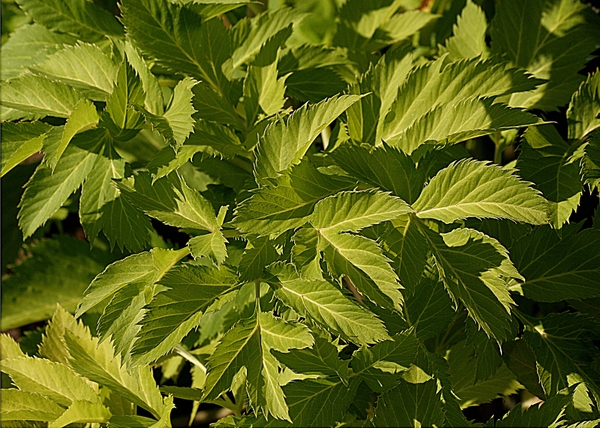
Angelica brings a musky, almost woodland sweetness to a herb garden. Garden angelica, Angelica archangelica, is a tall member of the carrot family with aromatic stems, leaves, and roots. Its flavor is more complex than a simple licorice note, and its size makes it a striking plant even when you never harvest it. [1]
Origins, History, and Identity
Native across northern parts of Europe and Asia and the North Atlantic region, angelica suits a cooler landscape. Its angelic name reflects an old healing legend, not evidence of supernatural or medical powers. Candied stems became a confectionery ingredient, while other preparations contributed fragrance to liqueurs. Garden angelica is distinct from other plants sold under the broad name angelica. [1]
Culinary Uses and Flavor
For a first kitchen experiment, use commercially prepared candied angelica. It is easy to measure, needs no botanical identification, and gives a pleasantly aromatic accent to fruit and dairy. Dice it finely so that its sweetness is distributed through the dish. A large piece can dominate a delicate dessert; a scattering of small pieces is usually more enjoyable. Roots, fresh stems, and candied stems are different ingredients and should not be exchanged spoon for spoon.
Traditional Uses and What the Evidence Means
Angelica appears in historical digestive preparations. That history explains its place in herb gardens, but does not establish that a homemade preparation treats digestive or respiratory illness. This profile uses prepared confectionery angelica as a food ingredient.
Sap can cause skin reactions and increase sensitivity to sunlight. Dangerous carrot-family plants can resemble angelica, so do not harvest an unfamiliar wild plant for food. Use correctly identified material from a reliable supplier. [1]
Growing and Harvesting
Plant in moisture-retentive soil in sun or partial shade, allowing room for its tall flowering stems. It commonly forms leaves first and flowers later, dying after seed production. Handle the plant with gloves, and keep its label with it. [1]
Buying and Storage
Keep candied angelica according to its package directions, protected from moisture and unwanted odors. Buy it specifically as a food ingredient. For growing, obtain a named plant or seed packet from a nursery; a bag of dried root is not planting material.
Two Simple Recipes to Try
These original recipe suggestions are small, approachable ways to explore the flavor. They are culinary ideas, not medicinal preparations; adjust future batches to your taste.
Angelica and Orange Yogurt
Serves 2; 5 minutes.
Ingredients
- 1 cup plain yogurt
- 1 tablespoon finely diced candied angelica
- 1 orange, peeled and segmented
- 1 teaspoon honey, optional
Method
- Divide the yogurt between two bowls.
- Add the orange segments and scatter the candied angelica over the top.
- Taste before adding honey; the candied stems already supply sweetness. Serve chilled.
Angelica Cream Cheese Toast
Serves 2; 10 minutes.
Ingredients
- 2 slices toasted bread
- ¼ cup cream cheese
- 2 teaspoons finely diced candied angelica
- ½ teaspoon orange zest
Method
- Mix the cream cheese with the angelica and zest.
- Spread over the warm toast and cut each slice in half.
- Serve immediately, with fresh fruit alongside. Refrigerate any unused spread promptly.
Frequently Asked Questions
Is angelica the same as dong quai?
No. Dong quai usually refers to Angelica sinensis. This article concerns garden angelica, Angelica archangelica; shared common names do not make different species interchangeable.
Can I use angelica essential oil in these recipes?
No. The recipes use candied stems, with a very different concentration and composition from essential oil.
Explore the Herb Library
Continue exploring our Herbs & Spices Educational Guide, or browse angelica in the Spirit of Wormwood store.
Have you grown this plant or encountered it in a favorite food tradition? Share your experience in the comments.
Sources and Further Reading
Botanical image: Leaves Manuel (cropped) CC BY 2.0. Source and original credit; image license. Original photograph retained; display sizes may be resized or cropped.
Leave a Reply