
Our Educational Guides
-
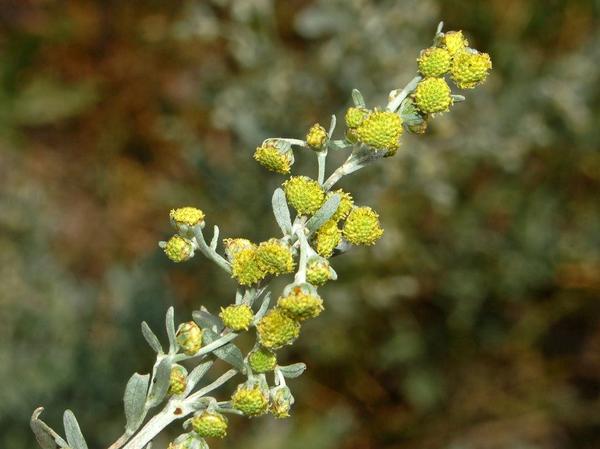
Wormwood History and Uses: Artemisia absinthium
Wormwood gives Spirit of Wormwood its most evocative botanical name. Artemisia absinthium is a strongly aromatic perennial with silvery foliage and a notably bitter character. Its history connects gardens, herbal traditions, and botanical spirits, but understanding the plant also means recognizing that concentrated preparations need particular care.
-
White Mustard History and Uses: Sinapis alba
White mustard is usually recognized in the kitchen as yellow mustard seed. Sinapis alba is a cabbage-family annual grown for several purposes, including its seeds. It offers a different flavor and heat profile from black or brown mustard, making it worth identifying precisely in a spice collection.
-
Watercress History and Uses: Nasturtium officinale
Watercress is a peppery leafy green that can make a simple sandwich or soup feel lively. Nasturtium officinale is a moisture-loving perennial, distinct from the brightly flowering garden nasturtium. The shared name is a botanical trap worth noticing before buying plants or looking up growing advice.
-
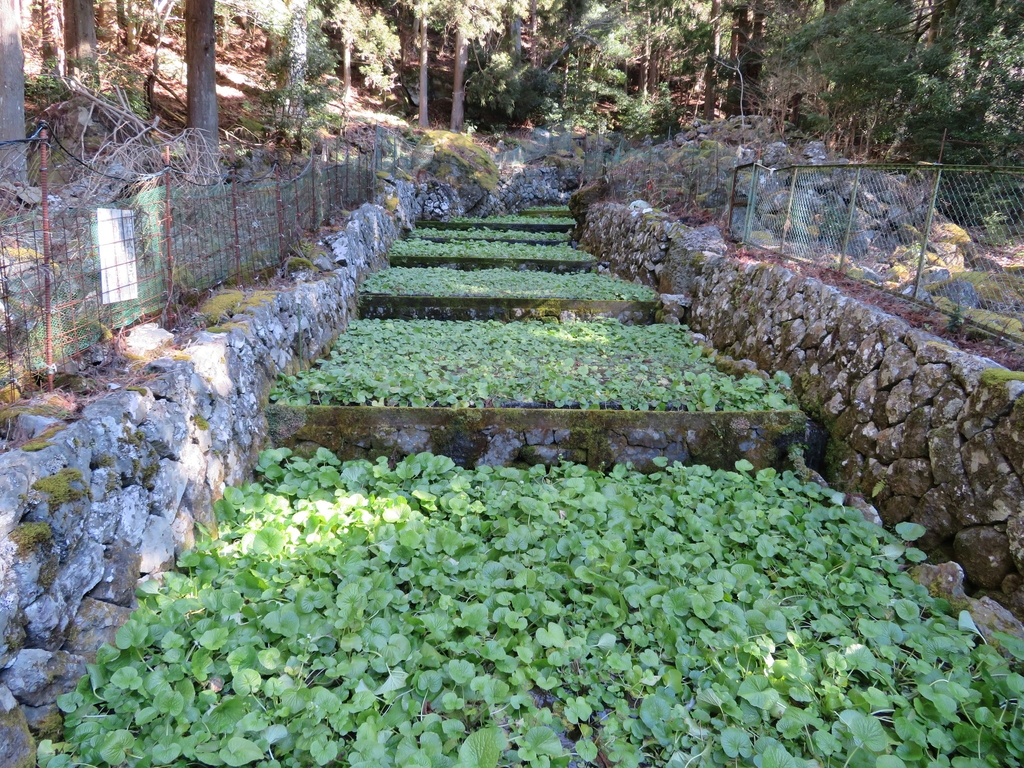
Wasabi History and Uses: Eutrema japonicum
Wasabi is best known as a pungent green condiment, but the plant behind that flavor is more unusual than the paste suggests. Eutrema japonicum belongs to the cabbage family and is related to mustard and horseradish. Its grated rhizome produces a sharp aromatic heat rather than chili’s lingering burn.
-
Vanilla History and Uses: Vanilla planifolia / V. tahitensis
Vanilla begins as an orchid fruit, not as a brown liquid in a bottle. Vanilla planifolia supplies much familiar culinary vanilla, while other cultivated forms, including Tahitian vanilla, offer different aromatic profiles. The long fruits commonly called beans develop their characteristic fragrance through careful postharvest processing.
-
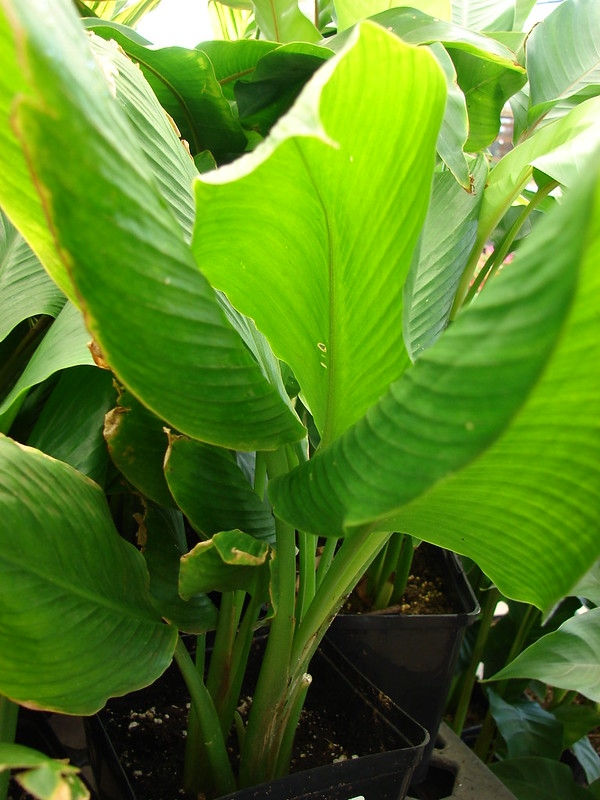
Turmeric History and Uses: Curcuma longa
Turmeric gives a dish a warm golden color and an earthy flavor. The spice comes from the rhizome of Curcuma longa, a member of the ginger family. Fresh rhizomes and dried powder both belong in the kitchen, but they differ in texture and how easily they disperse.
-
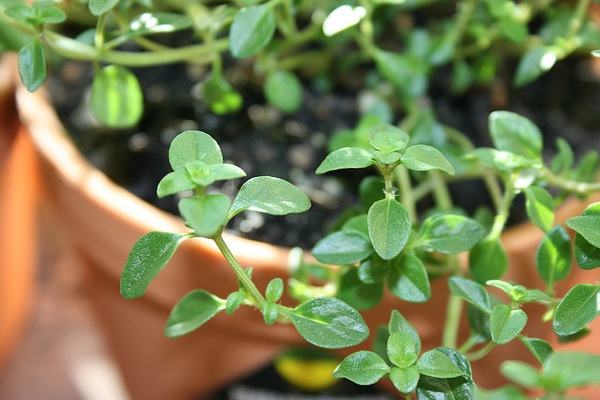
Thyme History and Uses: Thymus vulgaris
Thyme is a small-leaved herb with a substantial place in the kitchen. Thymus vulgaris is a low woody mint-family plant whose leaves can add depth to beans, vegetables, and broths. A sprig is easy to tuck into a pot, while stripped leaves distribute neatly through a sauce.
-
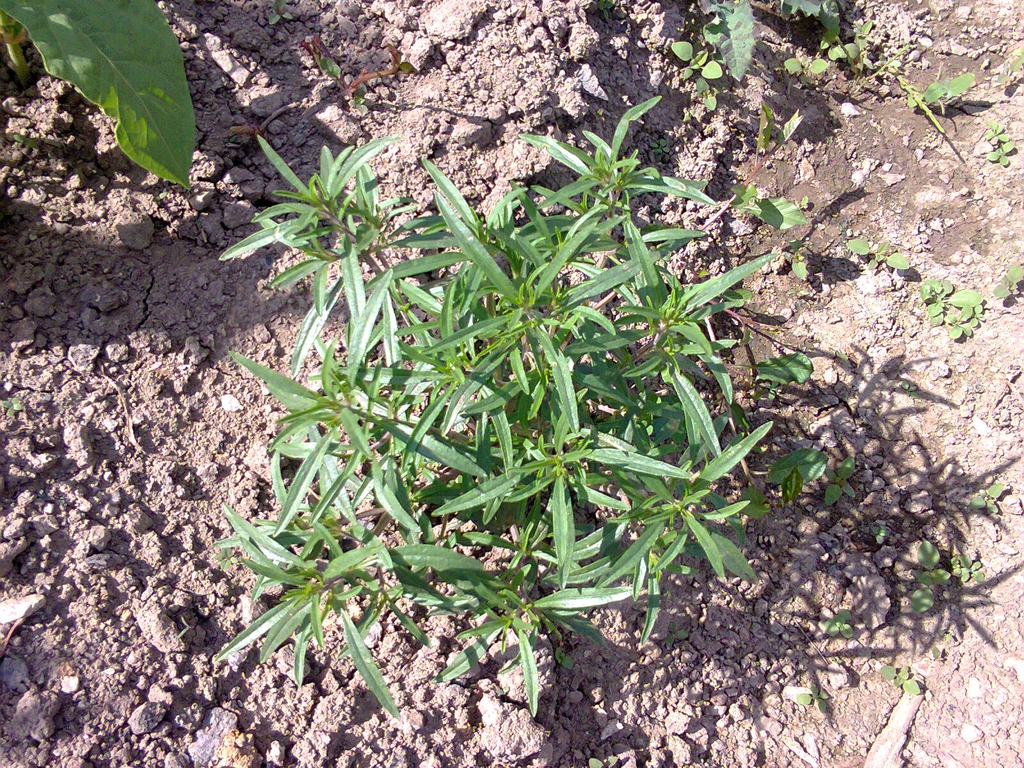
Tarragon History and Uses: Artemisia dracunculus
Tarragon gives a sauce an anise-like elegance that is hard to reproduce with another herb. The kitchen favorite is a cultivated form of Artemisia dracunculus, commonly called French tarragon. Choosing the right plant matters: a packet labeled tarragon may not promise the aromatic quality you expect.
-
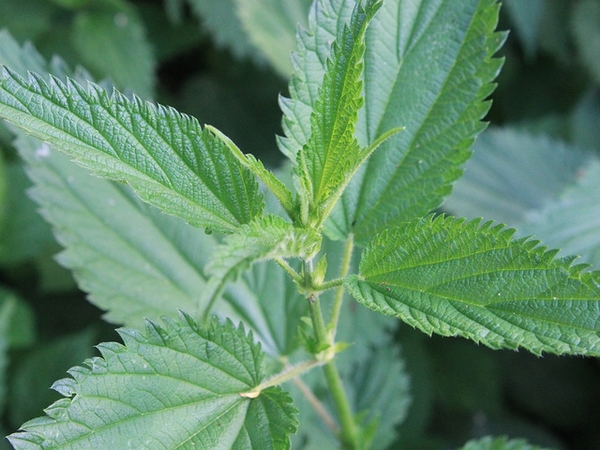
Stinging Nettle History and Uses: Urtica dioica
Stinging nettle is a leafy plant whose preparation matters as much as its identity. Urtica dioica bears hairs that can irritate skin when fresh, yet correctly identified young growth can be cooked as a green. Gloves, clean sourcing, and thorough cooking belong at the beginning of the story rather than as an afterthought.
-
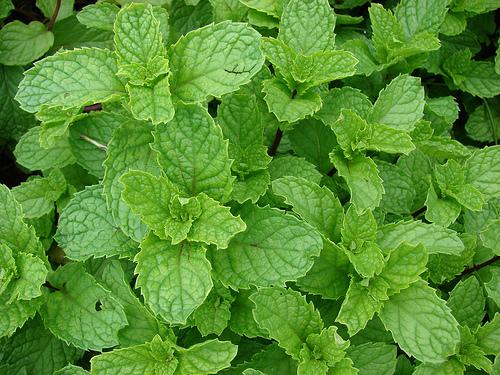
Spearmint History and Uses: Mentha spicata
Spearmint is a friendly starting point for fresh mint in savory food. Mentha spicata has aromatic green leaves that suit yogurt, vegetables, fruit, and a simple syrup. Its character differs from peppermint, making a named plant useful when you want to repeat a favorite flavor.