
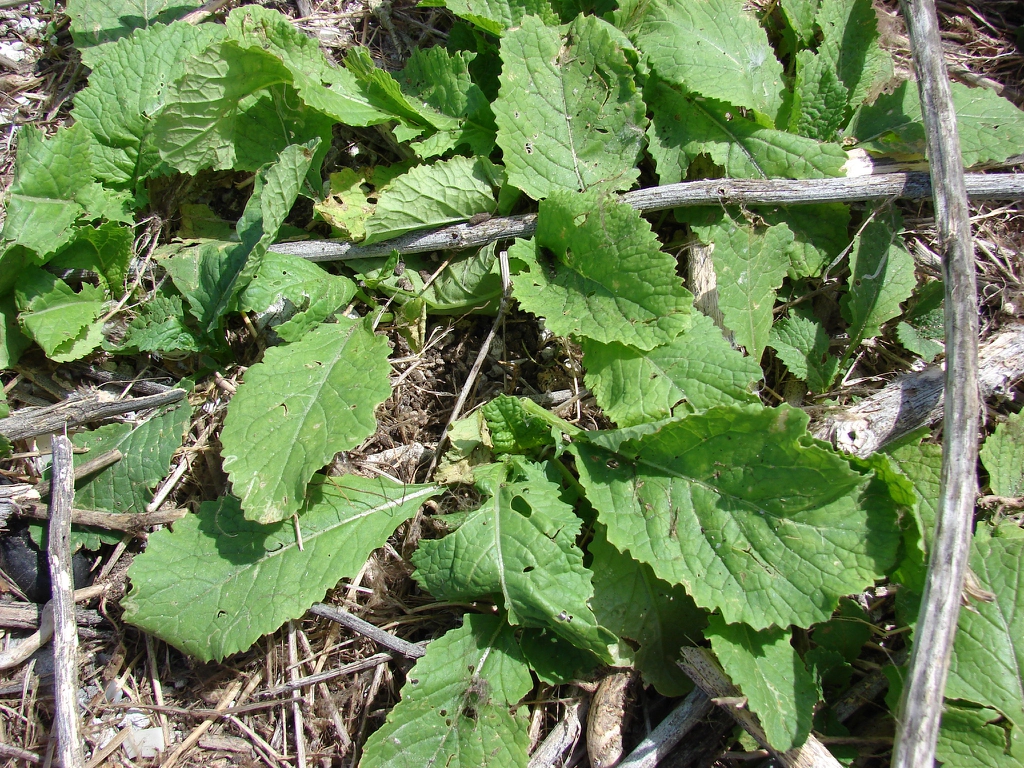
Black mustard, Brassica nigra, is a small seed with a forceful flavor. It belongs to the cabbage family, and its seeds can season food whole or become part of a pungent mustard preparation. Understanding the difference between whole, cooked seeds and freshly ground mustard helps you choose the effect you want. [1]
Origins, History, and Identity
Black mustard comes from parts of Europe, Africa, and Asia and has spread well beyond its original range. It is an annual with yellow flowers and pods that release dark seeds. Its history as a condiment sits alongside the use of other mustard species, especially brown and white mustard. Commercial names sometimes overlap, so the botanical name is a useful guide. [1]
Culinary Uses and Flavor
Whole black mustard seeds are useful in a brief oil tempering: warm them carefully, then add the rest of the dish. Grinding and moistening mustard gives a different result from leaving the seeds intact. Choose recipes that specify the form, and do not assume a spoonful of prepared mustard equals a spoonful of seed. For a first experiment, keep other pungent ingredients modest so the mustard remains recognizable.
Traditional Uses and What the Evidence Means
Mustard’s historical use in warming applications is not a reason to make a skin poultice. The same intensity valued in food can irritate tissue. This profile treats black mustard as a culinary spice and garden plant.
Mustard can cause food allergy, and seeds may spit when heated in oil. Use a deep pan, moderate heat, and a lid or splatter screen. Do not apply mustard paste to skin as a home remedy.
Growing and Harvesting
Grow in a suitable cool season with moist, well-drained soil. Prevent seed escape: black mustard is invasive in some regions. A contained garden trial still needs attention at flowering and seed maturity; check local guidance before planting. [1]
Buying and Storage
Buy a quantity you can use while its aroma is still appealing. Keep the container tightly closed in a cool, dark cupboard, and use a dry spoon when measuring. Label the purchase date. A faded aroma is a good reason to replace a spice rather than keep increasing the amount in a recipe.
Two Simple Recipes to Try
These original recipe suggestions are small, approachable ways to explore the flavor. They are culinary ideas, not medicinal preparations; adjust future batches to your taste.
Mustard-Seed Cabbage
Serves 2; about 15 minutes.
Ingredients
- ½ teaspoon black mustard seeds
- 1 tablespoon oil
- 3 cups sliced cabbage
- 2 tablespoons water
- ¼ teaspoon salt
- 1 teaspoon lemon juice
Method
- Warm the oil in a deep skillet over medium heat. Add the seeds, cover, and let them begin to pop briefly.
- Lower the heat and carefully add the cabbage, water, and salt. Cover and cook for 3 minutes.
- Uncover and stir for another 5 minutes, until tender. Finish with lemon juice.
Lentils with Black Mustard
Serves 3–4; about 30 minutes.
Ingredients
- 1 cup red lentils, rinsed
- 3 cups water
- 1 tablespoon oil
- ¼ teaspoon black mustard seeds
- ½ teaspoon ground cumin
- ½ teaspoon salt
- 1 tablespoon lemon juice
Method
- Simmer the lentils in the water for 15–20 minutes until soft, stirring occasionally. Add water if they become too thick.
- In a separate small pan, warm the oil over medium-low heat. Stir in the seasoning and cumin for 15–20 seconds, just until fragrant.
- Carefully stir the seasoned oil into the lentils. Add the salt and lemon juice, simmer for 2 minutes, and serve with rice or bread.
Frequently Asked Questions
Is black mustard the same as brown mustard?
No. This entry is Brassica nigra; brown mustard is usually Brassica juncea. Some trade names overlap, so check the package.
Should the seeds be blackened in the pan?
No. Stop the brief tempering before they burn. Burnt seeds taste harsh and cannot be repaired by adding more liquid.
Explore the Herb Library
Continue exploring our Herbs & Spices Educational Guide, or browse black mustard in the Spirit of Wormwood store.
Have you grown this plant or encountered it in a favorite food tradition? Share your experience in the comments.
Sources and Further Reading
Botanical image: Foliage Forest & Kim Starr CC BY 2.0. Source and original credit; image license. Original photograph retained; display sizes may be resized or cropped.
Leave a Reply