
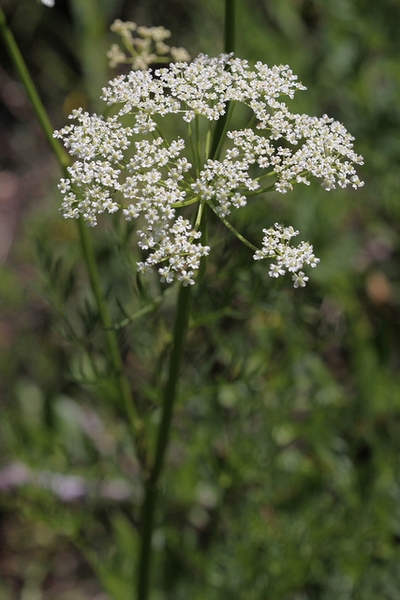
Caraway adds a distinctive aromatic bite to a loaf of rye bread or a pan of cabbage. The curved, ridged fruits of Carum carvi are commonly called seeds. This carrot-family herb has leaves and roots as well, but the dried spice is the easiest part to explore in an everyday kitchen. [1]
Origins, History, and Identity
Caraway comes from temperate parts of Eurasia and has a long association with food flavoring. The plant commonly follows a biennial cycle, producing leafy growth before flowering and seed formation. It is different from cumin and nigella, even though common names and the appearance of spice seeds can create confusion at the shop. [1]
Culinary Uses and Flavor
Whole caraway gives an occasional concentrated bite; a light crushing spreads the flavor more widely. Use it with potatoes, carrots, cabbage, or a savory loaf. If you are unsure whether you like its strong character, season only half a batch and taste the portions side by side. A little can provide a clear accent without making every mouthful taste the same.
Traditional Uses and What the Evidence Means
Caraway has appeared in traditional digestive preparations. The culinary recipes here are a way to appreciate its flavor, not a treatment for ongoing abdominal symptoms. Concentrated oils and herbal medicines require their own evidence and directions.
Use food-grade seeds and keep planting seed separate from food. Do not identify a wild carrot-family plant for eating solely from a resemblance to this profile.
Growing and Harvesting
Choose sun or light shade and moist, well-drained soil. Caraway develops a substantial root and dislikes disturbance once established. Allow room for its flowering stage, and collect mature seed heads before they scatter if you want a spice harvest. [1]
Buying and Storage
Buy a quantity you can use while its aroma is still appealing. Keep the container tightly closed in a cool, dark cupboard, and use a dry spoon when measuring. Label the purchase date. A faded aroma is a good reason to replace a spice rather than keep increasing the amount in a recipe.
Two Simple Recipes to Try
These original recipe suggestions are small, approachable ways to explore the flavor. They are culinary ideas, not medicinal preparations; adjust future batches to your taste.
Caraway Skillet Potatoes
Serves 3–4; about 35 minutes.
Ingredients
- 1½ pounds potatoes, cut into 1-inch pieces
- 1½ tablespoons olive oil
- ½ teaspoon caraway seeds, lightly crushed
- ¼ teaspoon salt
- 1 tablespoon lemon juice
Method
- Place the potatoes in a saucepan, cover with water, and simmer for 12–18 minutes until easily pierced with a fork. Drain well.
- Warm the oil in a large skillet over medium heat. Add the potatoes and cook for 8–10 minutes, turning occasionally, until golden at the edges.
- Remove from the heat and toss with the seasoning, salt, and lemon juice. Serve warm.
Caraway and Lemon Carrots
Serves 2–3; about 35 minutes.
Ingredients
- 1 pound carrots, scrubbed and cut into similar-size sticks
- 1 tablespoon olive oil
- ¼ teaspoon finely crushed caraway seeds
- ¼ teaspoon salt
- 1 teaspoon lemon juice
Method
- Heat the oven to 400°F (200°C). Toss the carrots with the oil and salt and spread on a baking sheet.
- Roast for 25–30 minutes, turning once, until tender and lightly browned.
- Toss the hot carrots with the measured seasoning and lemon juice. Taste before adding more. Serve immediately alongside beans, grains, or your favorite main dish.
Frequently Asked Questions
Is caraway the same as cumin?
No. Carum carvi and Cuminum cyminum are different species with distinct flavors. Read the label when a recipe depends on one of them.
Will it produce seed in its first season?
Many caraway plants are biennial, so seed production may follow a second season. Check the cultivar and local growing instructions.
Explore the Herb Library
Continue exploring our Herbs & Spices Educational Guide, or browse caraway in the Spirit of Wormwood store.
Have you grown this plant or encountered it in a favorite food tradition? Share your experience in the comments.
Sources and Further Reading
Botanical image: Carum carvi Andrey Zharkikh CC BY 2.0. Source and original credit; image license. Original photograph retained; display sizes may be resized or cropped.
Leave a Reply