
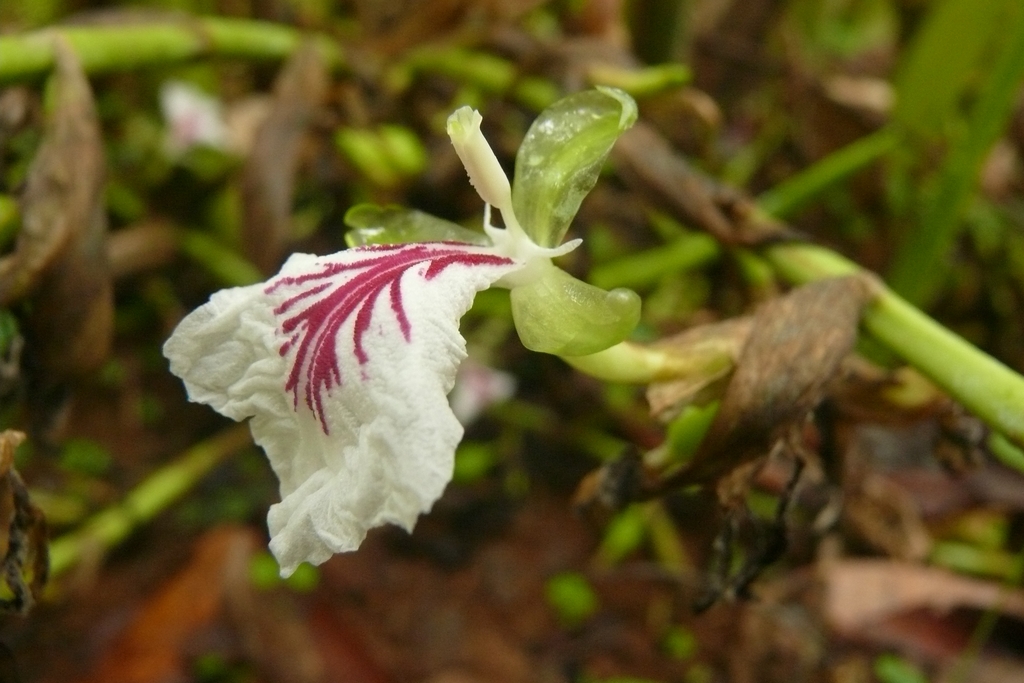
Green cardamom brings a fragrant mixture of sweetness, freshness, and spice to both desserts and savory food. The pods of Elettaria cardamomum hold small aromatic seeds. A little goes a long way, making cardamom particularly rewarding when you begin with simple foods that let its character remain clear. [1]
Origins, History, and Identity
A ginger-family plant associated with southern India, cardamom has a long trading history. Its culinary reach includes South Asian dishes, Scandinavian baking, and aromatic coffee or tea traditions. Green cardamom is not the same ingredient as smoky black cardamom. The common name cardamom covers more than one botanical and culinary product. [1]
Culinary Uses and Flavor
For a smooth mixture, open the pods and grind the seeds. For a simmered dish, lightly crack the pods so their flavor can infuse, then remove them. Begin with a small quantity in oatmeal or rice before developing a more elaborate recipe. Cardamom pairs beautifully with citrus and dairy, but it can dominate a dish if treated as a bulk spice rather than a fragrant accent.
Traditional Uses and What the Evidence Means
Its aromatic flavor helps explain cardamom’s place in traditional digestive preparations. That history does not show that ordinary food portions treat illness. A spice pod and a concentrated extract have different uses and concentrations.
Remove whole pods before serving dishes that are intended to be smooth or spoonable. Use culinary seed rather than essential oil, and begin with modest amounts when introducing the flavor.
Growing and Harvesting
Cardamom needs tropical warmth, humidity, filtered light, and moist, well-drained soil. In a cool region it is more realistically a protected foliage plant than a reliable spice crop. Division of established rhizomes is one propagation method. [1]
Buying and Storage
Buy a quantity you can use while its aroma is still appealing. Keep the container tightly closed in a cool, dark cupboard, and use a dry spoon when measuring. Label the purchase date. A faded aroma is a good reason to replace a spice rather than keep increasing the amount in a recipe.
Two Simple Recipes to Try
These original recipe suggestions are small, approachable ways to explore the flavor. They are culinary ideas, not medicinal preparations; adjust future batches to your taste.
Cardamom Breakfast Oats
Serves 2; about 10 minutes.
Ingredients
- 1 cup rolled oats
- 2 cups milk or water
- ⅛ teaspoon ground green cardamom seeds
- 1 tablespoon maple syrup
- A small pinch of salt
Method
- Combine the oats, liquid, seasoning, and salt in a small saucepan.
- Bring to a gentle simmer and cook for about 5 minutes, stirring, until the oats are tender. Add a little more liquid for a softer consistency.
- Remove any whole pods or bark, stir in the maple syrup, and divide between two bowls. Add sliced banana or toasted nuts if desired.
Fragrant Cardamom Rice
Serves 3–4; about 25 minutes.
Ingredients
- 1 cup long-grain white rice, rinsed
- 1 tablespoon olive oil
- 2 green cardamom pods, lightly cracked
- 1¾ cups water or the amount specified on the rice package
- ¼ teaspoon salt
Method
- Warm the oil over medium-low heat. Add the seasoning and stir for 20 seconds without allowing it to scorch.
- Add the rice, water, and salt. Bring to a simmer, cover tightly, and reduce the heat to low.
- Cook for the time on the rice package, usually 15–18 minutes. Remove from the heat and rest, covered, for 5 minutes. Remove whole pods or bark, then fluff with a fork.
Frequently Asked Questions
Should I grind the green shell?
For fine baking or a smooth drink, use the seeds inside. Whole cracked pods are useful for infusing liquids when they will be removed later.
Can I use black cardamom instead?
It creates a different, often smoky result. It is not a neutral replacement for green cardamom in a delicate dessert.
Explore the Herb Library
Continue exploring our Herbs & Spices Educational Guide, or browse cardamom in the Spirit of Wormwood store.
Have you grown this plant or encountered it in a favorite food tradition? Share your experience in the comments.
Sources and Further Reading
Botanical image: Flower close up Swati Sidhu CC BY-SA 4.0. Source and original credit; image license. Original photograph retained; display sizes may be resized or cropped.
Leave a Reply