
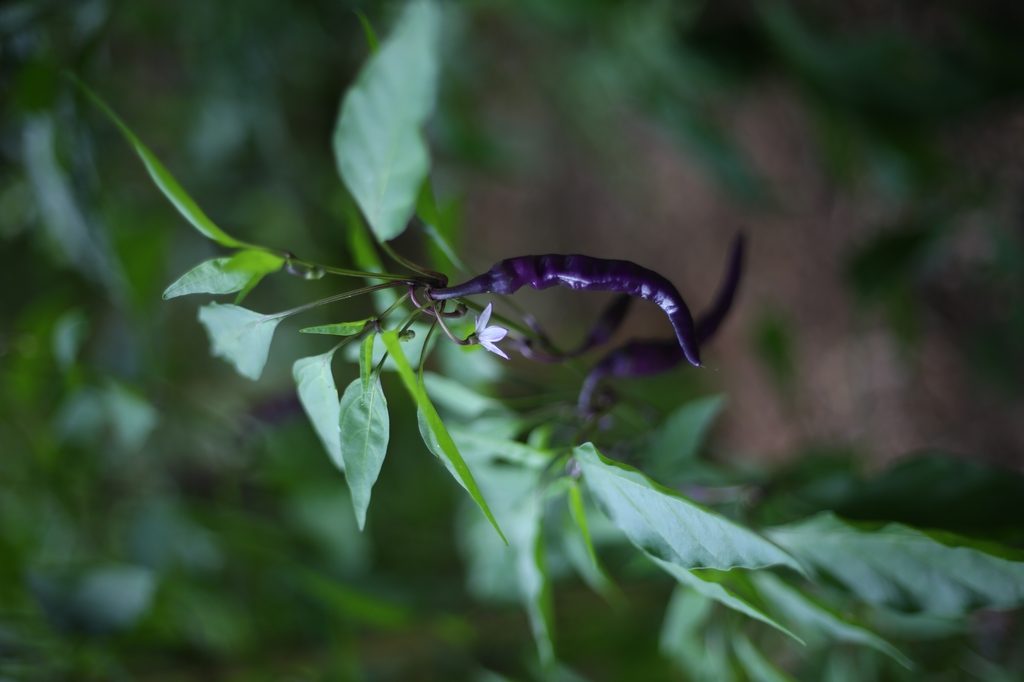
Cayenne pepper offers a direct way to add heat without adding much bulk. It is usually a ground red chili seasoning associated with cayenne-type Capsicum annuum peppers. A tiny pinch can sharpen a creamy dip or warm a pot of beans, so careful measuring is more useful than a dramatic shake of the jar. [1]
Origins, History, and Identity
Capsicum peppers originated in the Americas and now appear in cuisines around the world. Cayenne belongs within this larger pepper story rather than being related to black pepper. The kitchen name can refer to a pepper type or a finished powder, and the heat of retail products varies. Read the label before assuming one brand behaves like another. [2] [1]
Culinary Uses and Flavor
Add a pinch, stir well, and taste the whole dish before increasing the amount. Powder disperses differently from a fresh sliced chili, and its color is not a dependable measure of heat. A mild dairy or bean base makes a useful first experiment. When cooking for several people, keep the initial batch gentle and offer extra spice separately so everyone can adjust their portion.
Traditional Uses and What the Evidence Means
Claims about cayenne and circulation or metabolism should not turn a seasoning into a treatment plan. A food containing chili is different from a medically formulated capsaicin product, and one cannot substitute for the other.
Avoid inhaling the powder or touching your eyes after handling chilies. Gloves are useful when cutting hot peppers. Use only a small culinary amount at first, especially if spicy foods bother your stomach.
Growing and Harvesting
Grow named cayenne varieties in sun after frost danger has passed. Use rich, well-drained soil with even moisture. Plants need warmth and a sufficiently long season; in cooler areas, start with healthy transplants or sow indoors according to local guidance. [1]
Buying and Storage
Buy a quantity you can use while its aroma is still appealing. Keep the container tightly closed in a cool, dark cupboard, and use a dry spoon when measuring. Label the purchase date. A faded aroma is a good reason to replace a spice rather than keep increasing the amount in a recipe.
Two Simple Recipes to Try
These original recipe suggestions are small, approachable ways to explore the flavor. They are culinary ideas, not medicinal preparations; adjust future batches to your taste.
Gently Spiced Cayenne Yogurt Dip
Makes about 1 cup; 10 minutes.
Ingredients
- 1 cup plain Greek yogurt
- A small pinch of ground cayenne
- 1 teaspoon lemon juice
- 1 teaspoon olive oil
- A small pinch of salt
Method
- Wash and dry any fresh herbs, then chop them finely. Measure the remaining ingredients into a bowl.
- Stir everything together, taste, and adjust the lemon or salt a little at a time.
- Let stand in the refrigerator for 10 minutes, then stir again before serving with vegetables, warm flatbread, or baked potatoes.
White Beans with a Cayenne Accent
Serves 2–3; about 15 minutes.
Ingredients
- 1 tablespoon olive oil
- 1 small carrot, finely diced
- A small pinch of ground cayenne
- 1 can (15 ounces) white beans, drained and rinsed
- ½ cup water or broth
- 1 teaspoon lemon juice
- Salt to taste
Method
- Soften the carrot in the oil over medium-low heat for about 5 minutes.
- Add the beans, water, and seasoning. Simmer gently for 6–8 minutes, stirring occasionally.
- Remove any whole spice pieces. Add lemon juice and adjust the salt. Serve on toast or alongside rice; add a splash of water for a looser consistency.
Frequently Asked Questions
Is cayenne the same as chili powder?
Not necessarily. A jar labeled chili powder may be a blend containing cumin, garlic, and other seasonings. Cayenne is usually a more concentrated source of chili heat.
Does more red color mean more heat?
No. Color does not reliably identify heat level. Check the product description and taste conservatively.
Explore the Herb Library
Continue exploring our Herbs & Spices Educational Guide, or browse cayenne pepper in the Spirit of Wormwood store.
Have you grown this plant or encountered it in a favorite food tradition? Share your experience in the comments.
Sources and Further Reading
Botanical image: 'Buena Mulata' Pepper (Cabarrus County, NC) Hope Duckworth CC BY 4.0. Source and original credit; image license. Original photograph retained; display sizes may be resized or cropped. Representative Capsicum annuum cultivar; the spice is made from selected culinary varieties.
Leave a Reply