
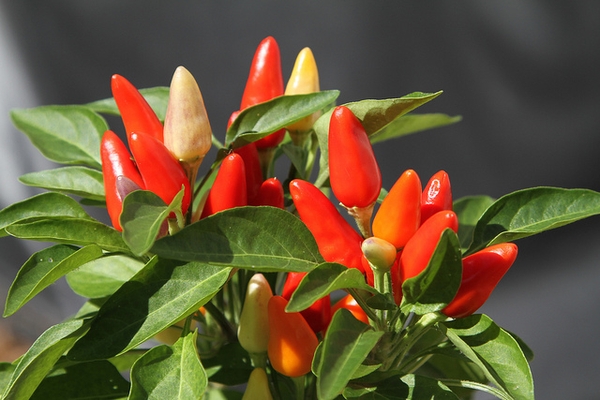
Chili peppers make up a remarkably varied ingredient family. The genus Capsicum includes sweet and hot forms, fresh vegetables and dried spices, tiny fruits and large fleshy peppers. Choosing a chili means choosing flavor, texture, and heat together—not simply deciding how hot dinner should be. [1]
Origins, History, and Identity
Capsicum peppers originated in the Americas, where they were cultivated before their spread to other continents. They are now woven into many food traditions. The guide’s broad Capsicum entry includes several species; Capsicum annuum is a useful garden reference, but it does not represent every chili. Cayenne and paprika receive their own profiles because their kitchen roles deserve separate attention. [2] [1]
Culinary Uses and Flavor
Read the variety name and intended heat level. Fresh chilies add moisture and texture, dried whole chilies may be steeped or ground, and powders disperse through a dish. A substitution should account for all three differences. Start with a small piece or measured pinch, then taste the prepared food. When sharing a meal, serving a mild base with an optional chili addition gives each person more control.
Traditional Uses and What the Evidence Means
The presence of capsaicin in hot peppers does not make a meal a weight-loss or pain-treatment program. Culinary peppers and concentrated medical products are separate preparations with different purposes.
Wear gloves for very hot chilies, keep hands away from eyes, and avoid breathing spice dust or hot cooking fumes. Use mild varieties when you want pepper flavor without strong heat.
Growing and Harvesting
Many culinary peppers need sun, warmth, well-drained fertile soil, and consistent moisture. Set out plants after frost and choose cultivars suited to your season. Use labeled edible varieties and protect plants from cold; growing requirements vary across Capsicum species. [1]
Buying and Storage
Buy a quantity you can use while its aroma is still appealing. Keep the container tightly closed in a cool, dark cupboard, and use a dry spoon when measuring. Label the purchase date. A faded aroma is a good reason to replace a spice rather than keep increasing the amount in a recipe.
Two Simple Recipes to Try
These original recipe suggestions are small, approachable ways to explore the flavor. They are culinary ideas, not medicinal preparations; adjust future batches to your taste.
Fresh Chili Tomato Salsa
Serves 3–4; 10 minutes.
Ingredients
- 2 ripe tomatoes, finely diced
- 1 tablespoon finely diced onion
- A small amount of minced culinary chili, to taste
- 1 tablespoon lime juice
- 1 tablespoon chopped cilantro
- A small pinch of salt
Method
- Wash the produce and prepare the chili carefully, using gloves if it is hot.
- Combine the tomatoes, onion, lime juice, cilantro, and salt. Add a little chili.
- Taste with a spoonful of the full mixture before adding more. Serve promptly or refrigerate until serving; this is not a canning recipe.
Warm Chili White Beans
Serves 2–3; about 15 minutes.
Ingredients
- 1 tablespoon olive oil
- 1 small carrot, finely diced
- A small pinch of ground mild chili
- 1 can (15 ounces) white beans, drained and rinsed
- ½ cup water or broth
- 1 teaspoon lemon juice
- Salt to taste
Method
- Soften the carrot in the oil over medium-low heat for about 5 minutes.
- Add the beans, water, and seasoning. Simmer gently for 6–8 minutes, stirring occasionally.
- Remove any whole spice pieces. Add lemon juice and adjust the salt. Serve on toast or alongside rice; add a splash of water for a looser consistency.
Frequently Asked Questions
Are all chili peppers hot?
No. Sweet peppers occur within Capsicum too. A botanical name alone does not tell you the heat of a particular cultivar.
Can I replace a fresh chili with powder?
Sometimes, but you will change both texture and concentration. Use a small amount and adjust after tasting rather than replacing equal volumes.
Explore the Herb Library
Continue exploring our Herbs & Spices Educational Guide, or browse chili pepper in the Spirit of Wormwood store.
Have you grown this plant or encountered it in a favorite food tradition? Share your experience in the comments.
Sources and Further Reading
Botanical image: Peppers and leaves Jim the Photographer CC BY 2.0. Source and original credit; image license. Original photograph retained; display sizes may be resized or cropped.
Leave a Reply