
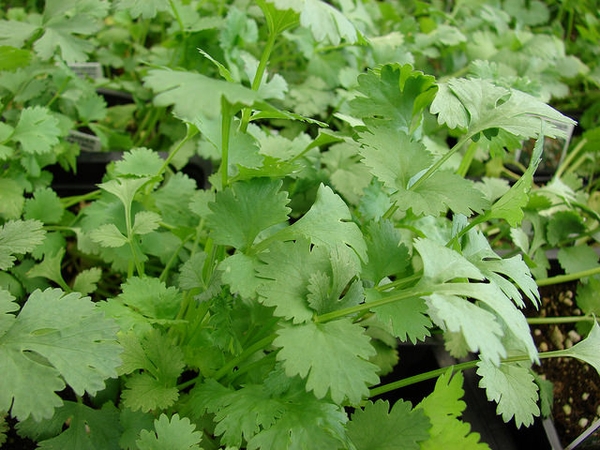
Cilantro is the fresh, leafy side of Coriandrum sativum. Its bright character can lift a salsa, grain bowl, or soup just before serving. The same plant also supplies coriander seed, but the leaf and dried fruit make such different contributions that they deserve separate places in the kitchen library. [1]
Origins, History, and Identity
The plant is associated with the Mediterranean region and western Asia and is now grown widely. English-language naming varies: cilantro commonly means the fresh leaf in the United States, while coriander can mean the whole plant or its leaves elsewhere. A recipe becomes much clearer when it specifies fresh leaves, roots, or dried seed. [1]
Culinary Uses and Flavor
Chop the tender stems along with the leaves when their texture suits the dish. Add the herb toward the end to keep its fresh character noticeable, or use it in a cold sauce. Cilantro partners well with lime, tomato, and beans. If someone at the table dislikes it, offer a separate herb garnish rather than mixing it into the entire batch.
Traditional Uses and What the Evidence Means
Claims that cilantro cleanses or removes toxins are not established by its ordinary use as a food. This profile focuses on its flavor and the useful connection between a leafy herb and a seed spice.
Wash fresh cilantro thoroughly and keep it separate from raw meat during preparation. Choose leaves in good condition and refrigerate prepared sauces or salads promptly.
Growing and Harvesting
Cilantro prefers a cool growing season and moist, well-drained soil in sun to light shade. Heat encourages flowering. Sow small batches successively for leaves, and allow a few plants to mature if you also want to harvest coriander. [1]
Buying and Storage
For cooking, choose clean leaves with a lively aroma and remove damaged material. Rinse under running water and dry before chopping. Keep only a modest supply on hand so you can enjoy the flavor at its best. Label dried herbs clearly and keep them away from light, moisture, and the heat above the stove.
Two Simple Recipes to Try
These original recipe suggestions are small, approachable ways to explore the flavor. They are culinary ideas, not medicinal preparations; adjust future batches to your taste.
Cilantro Garden Salad
Serves 2; 10 minutes.
Ingredients
- 1 large cucumber, diced
- 1 cup cherry tomatoes, halved
- ¼ cup chopped fresh cilantro leaves and tender stems
- 1 tablespoon olive oil
- 2 teaspoons lemon juice
- A small pinch of salt
Method
- Wash and dry the vegetables and any fresh herbs. Cut everything just before assembling for the crispest texture.
- Mix the oil, lemon juice, salt, and seasoning in a bowl. Add the vegetables and toss gently.
- Taste and adjust before serving. Spoon alongside beans or grilled food, or fold into a warm flatbread. Refrigerate any leftovers promptly.
Cilantro Lemon Yogurt Sauce
Makes about 1 cup; 10 minutes.
Ingredients
- 1 cup plain Greek yogurt
- ¼ cup chopped fresh cilantro
- 1 teaspoon lemon juice
- 1 teaspoon olive oil
- A small pinch of salt
Method
- Wash and dry any fresh herbs, then chop them finely. Measure the remaining ingredients into a bowl.
- Stir everything together, taste, and adjust the lemon or salt a little at a time.
- Let stand in the refrigerator for 10 minutes, then stir again before serving with vegetables, warm flatbread, or baked potatoes.
Frequently Asked Questions
Can coriander seed replace cilantro leaves?
It changes the dish substantially. The seed has a different aroma and cannot supply the fresh leafy texture.
What happens after my cilantro flowers?
The plant can develop fruits used as coriander spice. Flowering is part of its life cycle, although it usually reduces the leafy harvest.
Explore the Herb Library
Continue exploring our Herbs & Spices Educational Guide, or browse cilantro in the Spirit of Wormwood store.
Have you grown this plant or encountered it in a favorite food tradition? Share your experience in the comments.
Sources and Further Reading
Botanical image: Coriandrum sativum Forest and Kim Starr CC BY 2.0. Source and original credit; image license. Original photograph retained; display sizes may be resized or cropped.
Leave a Reply