
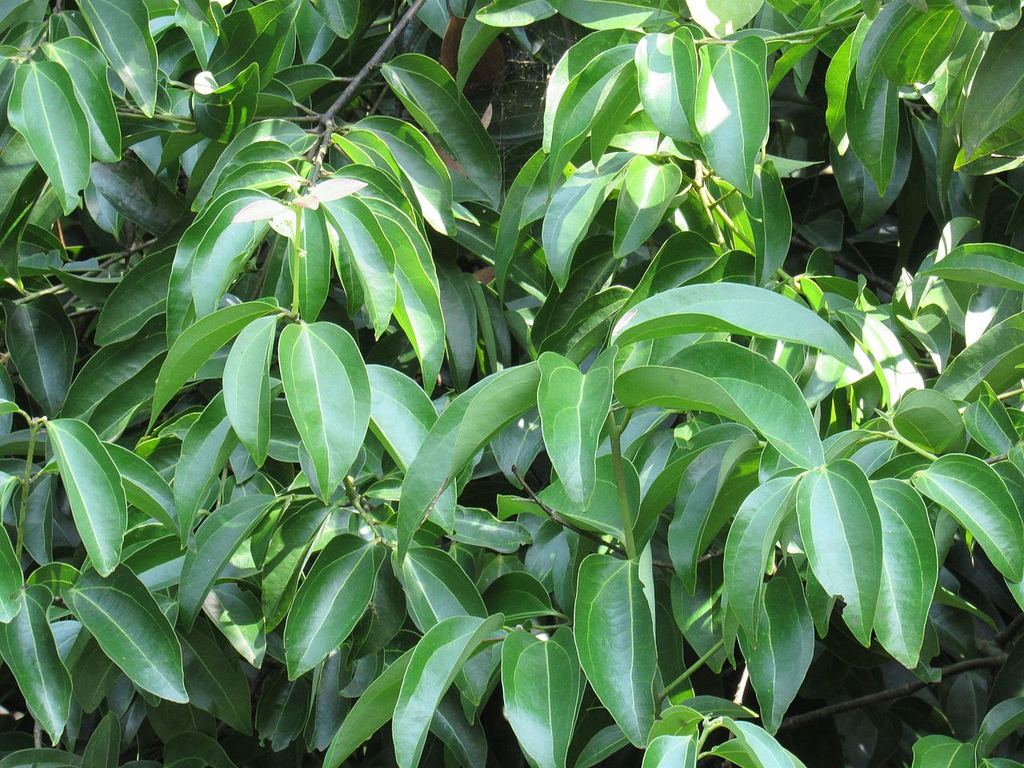
Ceylon cinnamon, Cinnamomum verum, offers a fragrant, warm bark spice with a gentler character than many cassia products. It comes from a tropical evergreen tree rather than a small herb. Choosing a clearly labeled product makes it easier to compare its flavor with the cinnamon already in your cupboard. [1]
Origins, History, and Identity
Cinnamomum verum is native to Sri Lanka. Its bark is dried for use in sweet and savory foods, while other aromatic parts have separate commercial applications. The name true cinnamon is a conventional common name; it does not mean that every other culinary cinnamon is an imitation. Cassia has its own profile in this library. [1]
Culinary Uses and Flavor
Use ground cinnamon for even distribution in oatmeal, dough, or a spice blend. Use a stick for a drink or sauce when you want to remove the solid material. In a simple apple dish, try Ceylon cinnamon without adding clove or nutmeg on the first batch. That makes its own aroma easier to notice before you build a more complex combination.
Traditional Uses and What the Evidence Means
Cinnamon has a long history in traditional medicine, but NCCIH finds no clear support for treating a health condition with it. Food use is distinct from taking concentrated extracts or large daily amounts. [2]
Ceylon cinnamon generally contains much less coumarin than cassia, but that does not make unlimited intake or essential oil ingestion appropriate. Keep use culinary and discuss supplements separately. [2]
Growing and Harvesting
The tree needs warm, moist conditions and protection from cold. Young plants appreciate some shelter from harsh sun. In a cool climate, a protected container plant is a horticultural interest rather than a quick source of bark for the kitchen. [1]
Buying and Storage
Buy a quantity you can use while its aroma is still appealing. Keep the container tightly closed in a cool, dark cupboard, and use a dry spoon when measuring. Label the purchase date. A faded aroma is a good reason to replace a spice rather than keep increasing the amount in a recipe.
Two Simple Recipes to Try
These original recipe suggestions are small, approachable ways to explore the flavor. They are culinary ideas, not medicinal preparations; adjust future batches to your taste.
Ceylon Cinnamon Morning Oats
Serves 2; about 10 minutes.
Ingredients
- 1 cup rolled oats
- 2 cups milk or water
- ¼ teaspoon ground Ceylon cinnamon
- 1 tablespoon maple syrup
- A small pinch of salt
Method
- Combine the oats, liquid, seasoning, and salt in a small saucepan.
- Bring to a gentle simmer and cook for about 5 minutes, stirring, until the oats are tender. Add a little more liquid for a softer consistency.
- Remove any whole pods or bark, stir in the maple syrup, and divide between two bowls. Add sliced banana or toasted nuts if desired.
Cinnamon and Lemon Syrup
Makes a small refrigerated batch; about 20 minutes.
Ingredients
- ½ cup water
- ½ cup sugar
- 1 small Ceylon cinnamon stick
- 1 strip lemon peel, with little white pith
Method
- Warm the water and sugar in a small saucepan, stirring until dissolved. Remove from the heat.
- Add the seasoning and lemon peel. Cover and steep for 10 minutes, tasting a cooled spoonful to check the strength.
- Strain thoroughly and cool. Refrigerate in a clean, covered container and use promptly; this is not a shelf-stable preserve. Try 1–2 teaspoons in sparkling water or drizzled over fruit.
Frequently Asked Questions
How do I know which cinnamon I bought?
Look for Cinnamomum verum or a clear Ceylon cinnamon label. A jar that says only cinnamon may not identify the species.
Do sticks and powder taste identical?
They can differ in freshness and how quickly flavor is released. Choose the form that suits the recipe rather than treating them as exact volume substitutes.
Explore the Herb Library
Continue exploring our Herbs & Spices Educational Guide, or browse cinnamon in the Spirit of Wormwood store.
Have you grown this plant or encountered it in a favorite food tradition? Share your experience in the comments.
Sources and Further Reading
Botanical image: Leaves Afifa Afrin CC BY-SA 3.0. Source and original credit; image license. Original photograph retained; display sizes may be resized or cropped.
Leave a Reply