
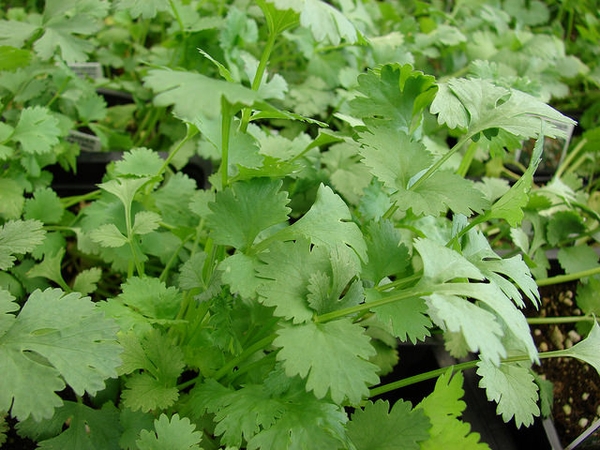
Coriander seed reveals another side of the cilantro plant. The dried fruits of Coriandrum sativum have a warm, citrus-like character that works in both savory dishes and sweet experiments. They taste different enough from the fresh leaves that disliking cilantro does not automatically mean you will dislike the spice. [1]
Origins, History, and Identity
The plant has Mediterranean and western Asian associations and is grown widely. In the United States, cilantro commonly names the leaves, while coriander names the spice; elsewhere the language differs. This profile concerns the mature dried fruits. The separate cilantro article follows the same plant during its leafy stage. [1]
Culinary Uses and Flavor
Lightly crush whole coriander before adding it to a dish where the spice will be eaten. For a smooth sauce or batter, grind it more finely. It is especially approachable with carrots, beans, or citrus. Brief warming can make the aroma easier to notice, but do not let seeds turn dark and bitter. Keep your first comparison simple by using the same food with and without coriander.
Traditional Uses and What the Evidence Means
Coriander appears in traditional digestive preparations, but a seed’s aroma or historical reputation is not clinical proof of treatment. The recipes below explore its culinary character without presenting it as a remedy.
Use food-grade seed and do not confuse it with other small dried fruits in an unlabeled jar. As with any spice, avoid it if you have a known allergy.
Growing and Harvesting
Grow the plant in a cool season with well-drained soil and adequate moisture. Allow selected plants to flower and set fruit. Collect mature heads before the fruits scatter, then dry thoroughly and separate the spice for storage. [1]
Buying and Storage
Buy a quantity you can use while its aroma is still appealing. Keep the container tightly closed in a cool, dark cupboard, and use a dry spoon when measuring. Label the purchase date. A faded aroma is a good reason to replace a spice rather than keep increasing the amount in a recipe.
Two Simple Recipes to Try
These original recipe suggestions are small, approachable ways to explore the flavor. They are culinary ideas, not medicinal preparations; adjust future batches to your taste.
Coriander and Lemon Carrots
Serves 2–3; about 35 minutes.
Ingredients
- 1 pound carrots, scrubbed and cut into similar-size sticks
- 1 tablespoon olive oil
- ½ teaspoon ground coriander
- ¼ teaspoon salt
- 1 teaspoon lemon juice
Method
- Heat the oven to 400°F (200°C). Toss the carrots with the oil and salt and spread on a baking sheet.
- Roast for 25–30 minutes, turning once, until tender and lightly browned.
- Toss the hot carrots with the measured seasoning and lemon juice. Taste before adding more. Serve immediately alongside beans, grains, or your favorite main dish.
Coriander White Beans
Serves 2–3; about 15 minutes.
Ingredients
- 1 tablespoon olive oil
- 1 small carrot, finely diced
- ½ teaspoon ground coriander
- 1 can (15 ounces) white beans, drained and rinsed
- ½ cup water or broth
- 1 teaspoon lemon juice
- Salt to taste
Method
- Soften the carrot in the oil over medium-low heat for about 5 minutes.
- Add the beans, water, and seasoning. Simmer gently for 6–8 minutes, stirring occasionally.
- Remove any whole spice pieces. Add lemon juice and adjust the salt. Serve on toast or alongside rice; add a splash of water for a looser consistency.
Frequently Asked Questions
Is coriander seed the same as cilantro?
They come from the same species, but refer here to different plant parts. The fresh leaves and dried fruits serve different culinary purposes.
Must I toast coriander before using it?
No. Some recipes benefit from brief toasting; others use it directly. Try the specified preparation before changing the method.
Explore the Herb Library
Continue exploring our Herbs & Spices Educational Guide, or browse coriander in the Spirit of Wormwood store.
Have you grown this plant or encountered it in a favorite food tradition? Share your experience in the comments.
Sources and Further Reading
Botanical image: Coriandrum sativum Forest and Kim Starr CC BY 2.0. Source and original credit; image license. Original photograph retained; display sizes may be resized or cropped.
Leave a Reply