
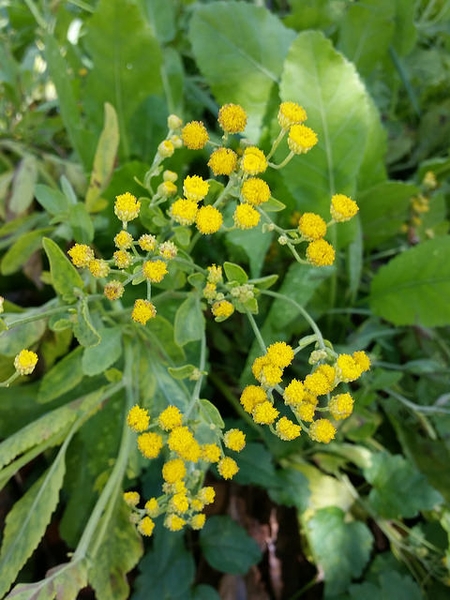
Costmary is a fragrant reminder that herb gardens once contained many plants now rarely seen in supermarkets. Tanacetum balsamita is an aromatic perennial with broad leaves and small yellow flowers. Its greatest appeal for many modern gardeners is the combination of scent, history, and a distinctive place among older household herbs. [1]
Origins, History, and Identity
Associated with southern Europe and western Asia, costmary has been called alecost and Bible leaf. NC State records historical use in ale flavoring, scented bedding, and as a fragrant bookmark. The bookmark story is a reported tradition rather than a universal custom. Its relationship to other Tanacetum plants makes a precise label useful. [1]
Historical Uses and Modern Context
Historical use in drinks should not be taken as a ready-made modern recipe. References vary in the plant parts and preparations they describe, and a familiar mint-like aroma does not establish that an unfamiliar herb is suitable for routine consumption. The projects here explore costmary through a garden notebook and a dried botanical display. Those uses let the plant’s story remain interesting without inventing a medicinal or culinary dose.
Traditional Uses and What the Evidence Means
Costmary was used historically for a range of complaints, including as a diuretic or laxative. These records describe past practice, not a recommendation to reproduce it. No treatment claims are made here.
Keep craft material separate from food, and avoid the plant if handling causes irritation. Do not substitute another Tanacetum species based on a common name or similar scent.
Growing and Harvesting
Provide sun to partial shade and well-drained soil. Costmary spreads through rhizomes and can crowd neighboring plants. Divide or contain it as needed, and trim to encourage a tidier leafy plant. Shade can reduce flowering. [1]
Buying and Storage
Buy a plant with the name Tanacetum balsamita on its label. Keep dried craft leaves labeled and separate from culinary herbs. Use a dedicated craft book for pressing so that moisture and plant residue do not damage valued books.
Two Ways to Explore This Botanical
These original suggestions are starting points for your own observations.
A Costmary Garden Record
A season-long observation.
Materials
- A labeled costmary plant
- Plant marker
- Notebook
Method
- Record where the plant is growing and how much sunlight it receives.
- Observe leaf growth, flower timing, and any spread beyond the original clump.
- Use your notes to decide whether the plant needs division or a more contained position.
Pressed Botanical Display
Several weeks for drying.
Materials
- One clean costmary leaf
- Absorbent paper
- A heavy book used for crafts
- Card and pencil
Method
- Place the leaf between absorbent sheets and press it in the closed book. Protect valuable pages from plant moisture.
- Change damp paper and allow the leaf to dry fully.
- Mount it on a labeled card with the botanical name and a brief note about its historical names. Keep the display away from food and children who may taste it.
Frequently Asked Questions
Why is it called Bible leaf?
Historical accounts describe fragrant leaves being placed in books, including Bibles. The name preserves that household association.
Is costmary the same as mint?
No. It belongs to the daisy family rather than the mint family, despite its aromatic leaves.
Explore the Herb Library
Continue exploring our Herbs & Spices Educational Guide, or browse costmary in the Spirit of Wormwood store.
Have you grown this plant or encountered it in a favorite food tradition? Share your experience in the comments.
Sources and Further Reading
Botanical image: Tanacetum balsamita Joan Simon CC-BY-SA 2.0. Source and original credit; image license. Original photograph retained; display sizes may be resized or cropped.
Leave a Reply