
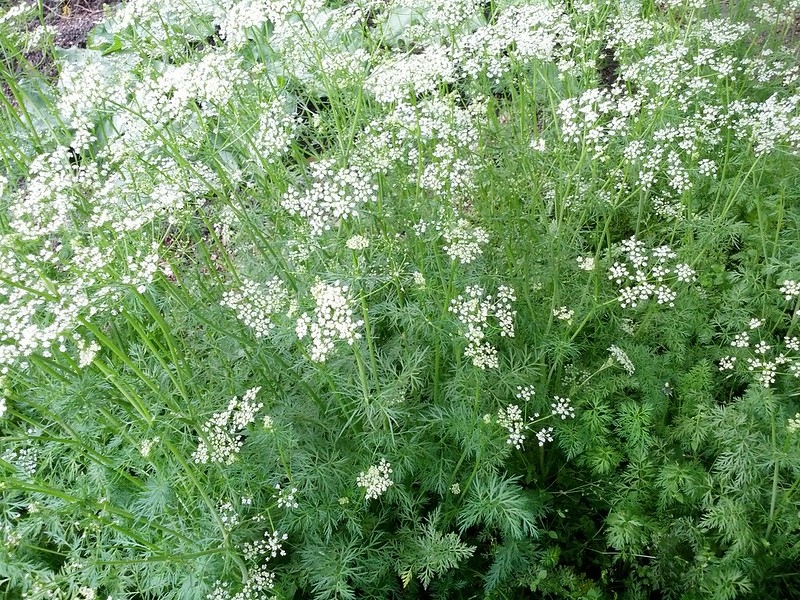
Cumin brings an earthy, warm character to a spice blend or a simple pot of beans. Cuminum cyminum is an annual in the carrot family, grown for the dried fruits usually called seeds. Whole and ground cumin give a cook different ways to control how that flavor appears in the finished dish. [1]
Origins, History, and Identity
Cumin has a long cultivation history across the Mediterranean and western Asia, with ancient references and archaeological evidence discussed by NC State. It later traveled into other cuisines and growing regions. Its widespread use does not make it the same spice as caraway or nigella; all three deserve their own labels and flavor comparisons. [1]
Culinary Uses and Flavor
Warm whole seeds briefly in oil when you want distinct aromatic bites. Use ground cumin for a more even distribution through lentils, marinades, or a dressing. Watch closely when heating it: the transition from fragrant to scorched can be quick. If using a blend that already contains cumin, taste the finished mixture before adding another spoonful from the jar.
Traditional Uses and What the Evidence Means
Cumin’s traditional digestive reputation is part of its herbal history. It does not establish that a seasoned meal treats ongoing digestive symptoms or that concentrated supplements are appropriate for everyone.
Use culinary seed or powder, keep dry spice dust away from your face, and avoid unlabeled ingredients. A supplement sold under the same plant name is a different product from the spice used here.
Growing and Harvesting
Cumin needs a long frost-free growing period and a sunny position. It dislikes root disturbance, so plan sowing and transplanting carefully. Let seed heads mature and dry before collecting the spice; a few plants produce a modest kitchen harvest. [1]
Buying and Storage
Buy a quantity you can use while its aroma is still appealing. Keep the container tightly closed in a cool, dark cupboard, and use a dry spoon when measuring. Label the purchase date. A faded aroma is a good reason to replace a spice rather than keep increasing the amount in a recipe.
Two Simple Recipes to Try
These original recipe suggestions are small, approachable ways to explore the flavor. They are culinary ideas, not medicinal preparations; adjust future batches to your taste.
Cumin Lemon Carrots
Serves 2–3; about 35 minutes.
Ingredients
- 1 pound carrots, scrubbed and cut into similar-size sticks
- 1 tablespoon olive oil
- ½ teaspoon ground cumin
- ¼ teaspoon salt
- 1 teaspoon lemon juice
Method
- Heat the oven to 400°F (200°C). Toss the carrots with the oil and salt and spread on a baking sheet.
- Roast for 25–30 minutes, turning once, until tender and lightly browned.
- Toss the hot carrots with the measured seasoning and lemon juice. Taste before adding more. Serve immediately alongside beans, grains, or your favorite main dish.
Cumin Yogurt Sauce
Makes about 1 cup; 10 minutes.
Ingredients
- 1 cup plain Greek yogurt
- ¼ teaspoon ground cumin
- 1 teaspoon lemon juice
- 1 teaspoon olive oil
- A small pinch of salt
Method
- Wash and dry any fresh herbs, then chop them finely. Measure the remaining ingredients into a bowl.
- Stir everything together, taste, and adjust the lemon or salt a little at a time.
- Let stand in the refrigerator for 10 minutes, then stir again before serving with vegetables, warm flatbread, or baked potatoes.
Frequently Asked Questions
Is cumin the same as black cumin?
No. This entry is Cuminum cyminum. The black cumin entry in this library refers to Nigella sativa.
Can ground cumin replace whole seeds?
Often, but the texture and way the flavor develops will change. Start with a little less and taste before adding more.
Explore the Herb Library
Continue exploring our Herbs & Spices Educational Guide, or browse cumin in the Spirit of Wormwood store.
Have you grown this plant or encountered it in a favorite food tradition? Share your experience in the comments.
Sources and Further Reading
Botanical image: Flower and foliage. Herbolario Allium CC BY 2.0. Source and original credit; image license. Original photograph retained; display sizes may be resized or cropped.
Leave a Reply