
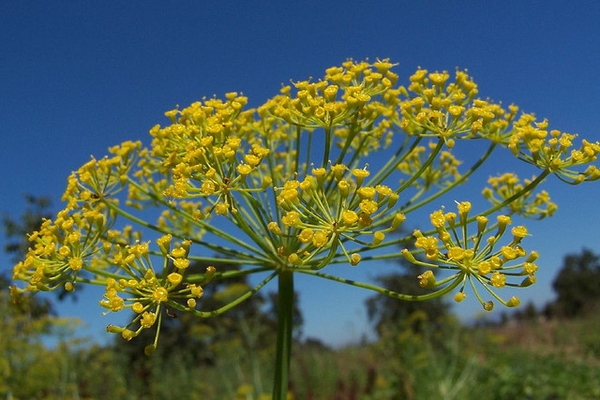
Dill offers two useful flavors from one plant: feathery fresh leaves and a more concentrated dried seed spice. Anethum graveolens is an aromatic annual in the carrot family. Its airy foliage makes a lovely finishing herb, while its flower heads and mature fruits connect it with the familiar flavors of pickles and brines. [1]
Origins, History, and Identity
Dill has Mediterranean and neighboring Eurasian associations and a long history as a culinary herb. Garden plants eventually move from leafy growth into flowering and seed formation. That change can frustrate someone wanting endless fresh leaves, but it also produces a second ingredient worth learning. A jar marked dill weed contains a different plant part from dill seed. [1]
Culinary Uses and Flavor
Use leaves generously where you want a fresh herbal character, and measure seed more conservatively. Yogurt, cucumber, potatoes, and mild fish dishes provide easy starting points. Add chopped leaves close to serving, while seed can take part in a longer infusion. For preserving, use a tested pickle recipe rather than assuming that adding dill makes an improvised jar shelf-stable.
Traditional Uses and What the Evidence Means
Dill has a traditional association with digestive comfort. That history does not establish that a household preparation treats persistent symptoms. Its culinary usefulness is clear without adding a medical promise.
Keep food and planting seed separate, and use tested directions for any canned or fermented food. The fresh recipes here are intended for prompt serving and refrigeration.
Growing and Harvesting
Sow in a sunny position with well-drained soil and enough moisture. Its taproot makes unnecessary transplanting unhelpful. Repeated small sowings can extend the leaf supply; let selected plants mature if you want seed or flowers for pollinators. [1]
Buying and Storage
For cooking, choose clean leaves with a lively aroma and remove damaged material. Rinse under running water and dry before chopping. Keep only a modest supply on hand so you can enjoy the flavor at its best. Label dried herbs clearly and keep them away from light, moisture, and the heat above the stove.
Two Simple Recipes to Try
These original recipe suggestions are small, approachable ways to explore the flavor. They are culinary ideas, not medicinal preparations; adjust future batches to your taste.
Dill and Lemon Yogurt Sauce
Makes about 1 cup; 10 minutes.
Ingredients
- 1 cup plain Greek yogurt
- 2 tablespoons chopped fresh dill
- 1 teaspoon lemon juice
- 1 teaspoon olive oil
- A small pinch of salt
Method
- Wash and dry any fresh herbs, then chop them finely. Measure the remaining ingredients into a bowl.
- Stir everything together, taste, and adjust the lemon or salt a little at a time.
- Let stand in the refrigerator for 10 minutes, then stir again before serving with vegetables, warm flatbread, or baked potatoes.
Fresh Dill Potatoes
Serves 3–4; about 35 minutes.
Ingredients
- 1½ pounds potatoes, cut into 1-inch pieces
- 1½ tablespoons olive oil
- 2 tablespoons chopped fresh dill
- ¼ teaspoon salt
- 1 tablespoon lemon juice
Method
- Place the potatoes in a saucepan, cover with water, and simmer for 12–18 minutes until easily pierced with a fork. Drain well.
- Warm the oil in a large skillet over medium heat. Add the potatoes and cook for 8–10 minutes, turning occasionally, until golden at the edges.
- Remove from the heat and toss with the seasoning, salt, and lemon juice. Serve warm.
Frequently Asked Questions
Can dill seed replace dill leaves?
It changes the flavor and texture. Use the part named in the recipe unless you are deliberately experimenting.
Why has my dill stopped making tender leaves?
The plant may be flowering and setting seed. Start another sowing for leaves and allow the older plant to finish its cycle.
Explore the Herb Library
Continue exploring our Herbs & Spices Educational Guide, or browse dill in the Spirit of Wormwood store.
Have you grown this plant or encountered it in a favorite food tradition? Share your experience in the comments.
Sources and Further Reading
Botanical image: Flower ((brian)) CC BY 2.0. Source and original credit; image license. Original photograph retained; display sizes may be resized or cropped.
Leave a Reply