
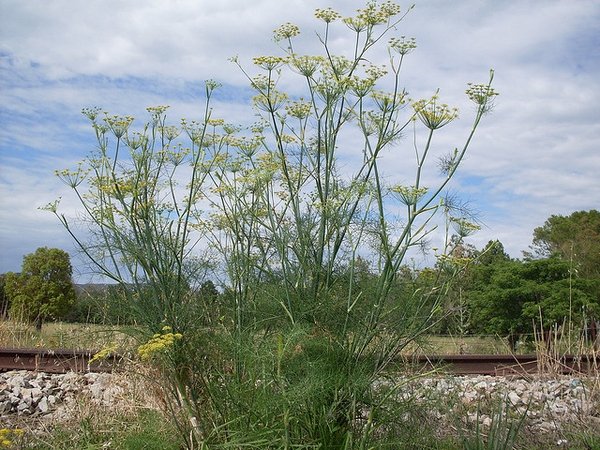
Fennel can mean a leafy herb, a seed spice, or a swollen vegetable base. Foeniculum vulgare brings an anise-like aroma to all three, but each form has its own texture and kitchen role. Knowing which one a recipe expects is the first step toward enjoying this versatile plant. [1]
Origins, History, and Identity
Fennel is associated with southern Europe and the Mediterranean. The tall herb form produces feathery foliage and yellow flowers, while selected Florence fennel cultivars are grown for their enlarged leaf bases. Seeds sold as a spice do not imply that every fennel plant will produce a substantial vegetable bulb. The crop has also escaped cultivation in some regions. [1]
Culinary Uses and Flavor
Lightly crush the dried fruits for a spice rub or vegetable dish. Use fresh fronds as a finishing herb, and treat the bulb-forming crop as a vegetable that can be sliced or cooked. A first experiment with just one form is easier to assess than putting all three into the same dish. Fennel’s sweetness pairs well with lemon, beans, carrots, and tomato.
Traditional Uses and What the Evidence Means
Fennel has a history in digestive and respiratory herbal preparations. Those uses do not establish that ordinary culinary portions treat disease, and they do not make concentrated oil or infant remedies appropriate.
Use a culinary product and avoid homemade medicinal dosing. The recipes here are ordinary adult food dishes, not preparations for treating infant colic.
Growing and Harvesting
Choose sun and well-drained soil. Buy seed for the intended crop, especially if you want Florence fennel. Prevent unwanted seeding and check local advice where fennel spreads aggressively. Leave selected flowers for beneficial insects only where seed escape can be managed. [1]
Buying and Storage
Buy a quantity you can use while its aroma is still appealing. Keep the container tightly closed in a cool, dark cupboard, and use a dry spoon when measuring. Label the purchase date. A faded aroma is a good reason to replace a spice rather than keep increasing the amount in a recipe.
Two Simple Recipes to Try
These original recipe suggestions are small, approachable ways to explore the flavor. They are culinary ideas, not medicinal preparations; adjust future batches to your taste.
Fennel-Seed Lemon Carrots
Serves 2–3; about 35 minutes.
Ingredients
- 1 pound carrots, scrubbed and cut into similar-size sticks
- 1 tablespoon olive oil
- ½ teaspoon finely crushed fennel seeds
- ¼ teaspoon salt
- 1 teaspoon lemon juice
Method
- Heat the oven to 400°F (200°C). Toss the carrots with the oil and salt and spread on a baking sheet.
- Roast for 25–30 minutes, turning once, until tender and lightly browned.
- Toss the hot carrots with the measured seasoning and lemon juice. Taste before adding more. Serve immediately alongside beans, grains, or your favorite main dish.
Fennel-Scented White Beans
Serves 2–3; about 15 minutes.
Ingredients
- 1 tablespoon olive oil
- 1 small carrot, finely diced
- ½ teaspoon lightly crushed fennel seeds
- 1 can (15 ounces) white beans, drained and rinsed
- ½ cup water or broth
- 1 teaspoon lemon juice
- Salt to taste
Method
- Soften the carrot in the oil over medium-low heat for about 5 minutes.
- Add the beans, water, and seasoning. Simmer gently for 6–8 minutes, stirring occasionally.
- Remove any whole spice pieces. Add lemon juice and adjust the salt. Serve on toast or alongside rice; add a splash of water for a looser consistency.
Frequently Asked Questions
Why did my fennel never form a bulb?
You may have grown an herb fennel rather than a bulb-forming cultivar. Climate and timing also affect a Florence fennel crop.
Is fennel seed the same as anise?
No. They have related flavor associations but come from different species. Check the name and use the amount suited to the recipe.
Explore the Herb Library
Continue exploring our Herbs & Spices Educational Guide, or browse fennel in the Spirit of Wormwood store.
Have you grown this plant or encountered it in a favorite food tradition? Share your experience in the comments.
Sources and Further Reading
Botanical image: Foeniculum vulgare John Tann CC BY 2.0. Source and original credit; image license. Original photograph retained; display sizes may be resized or cropped.
Leave a Reply