
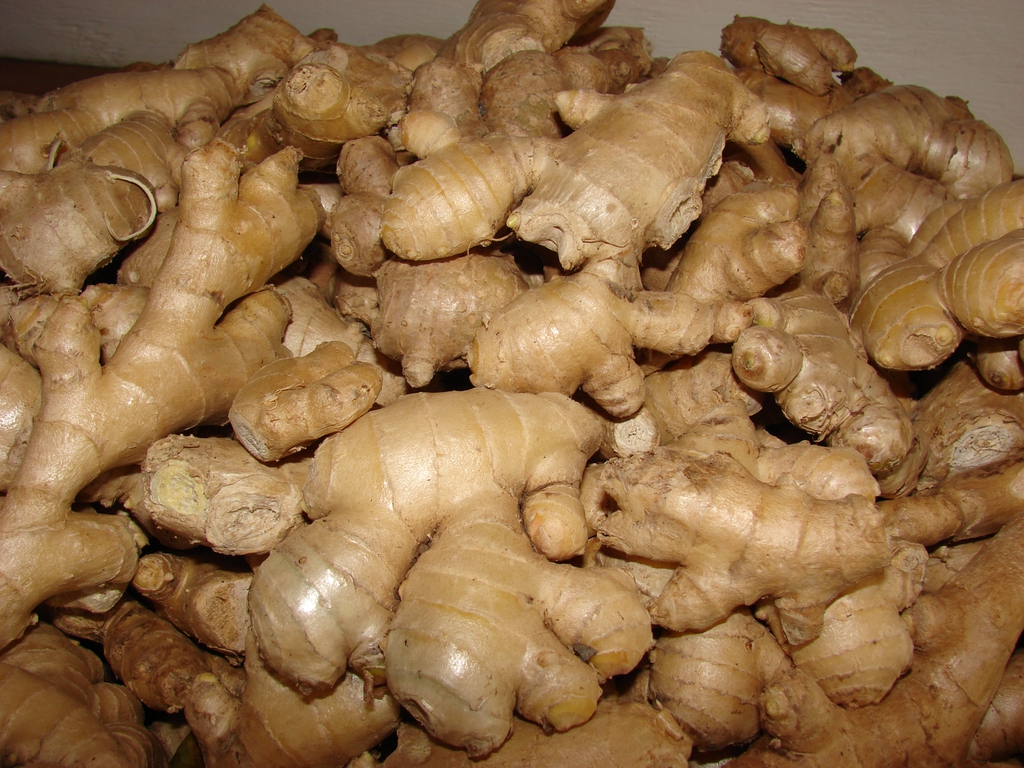
Fresh ginger offers both a lively aroma and a warming bite. The edible part of Zingiber officinale is a rhizome, an underground stem often casually called a root. Fresh, dried, ground, candied, and pickled ginger are all useful, but they contribute different textures and levels of sweetness to a recipe. [1]
Origins, History, and Identity
Ginger is an old cultivated spice associated with tropical Asia. The plant grows from branching rhizomes beneath leafy shoots, making its kitchen form different from seed spices such as cumin. Young ginger tends to be tender, while older pieces are often more fibrous. That difference helps explain why one piece grates easily and another leaves strings behind. [1]
Culinary Uses and Flavor
Grate ginger for even distribution, slice it for an infusion you will strain, or mince it for a little texture. Scrub the piece well and remove any tough or damaged skin. Pair it with lemon, carrots, apples, or a simple bean dish before adding a large blend of other spices. Ground ginger is useful in baking, but replacing fresh ginger by equal spoonfuls can alter both flavor and moisture.
Traditional Uses and What the Evidence Means
NCCIH reports that ginger may help some pregnancy-related nausea, while evidence for several other uses is uncertain. Many studies concern supplements rather than ordinary ginger foods. Persistent nausea needs an explanation rather than an assumption that more ginger is the answer. [2]
Ginger can cause heartburn or digestive discomfort. Discuss supplements with a clinician, especially during pregnancy or when taking medicines; the recipes here use culinary quantities. [2]
Growing and Harvesting
Grow from healthy rhizome pieces with visible buds in warm, protected conditions and well-drained soil rich in organic matter. Avoid cold, wet conditions. Container growing can suit cooler climates, with protection before temperatures fall. [1]
Buying and Storage
Choose fresh rhizomes that feel firm, with no mold or soft wet areas. Refrigerate the fresh ingredient according to its condition and packaging, or freeze small portions for later grating. Keep ground ginger dry and candied ginger in its own labeled container.
Two Simple Recipes to Try
These original recipe suggestions are small, approachable ways to explore the flavor. They are culinary ideas, not medicinal preparations; adjust future batches to your taste.
Fresh Ginger Lemon Carrots
Serves 2–3; about 35 minutes.
Ingredients
- 1 pound carrots, scrubbed and cut into similar-size sticks
- 1 tablespoon olive oil
- 1 teaspoon finely grated fresh ginger
- ¼ teaspoon salt
- 1 teaspoon lemon juice
Method
- Heat the oven to 400°F (200°C). Toss the carrots with the oil and salt and spread on a baking sheet.
- Roast for 25–30 minutes, turning once, until tender and lightly browned.
- Toss the hot carrots with the measured seasoning and lemon juice. Taste before adding more. Serve immediately alongside beans, grains, or your favorite main dish.
Ginger Skillet Apples
Serves 2; about 20 minutes.
Ingredients
- 2 apples, cored and thinly sliced
- 1 tablespoon butter
- 1 teaspoon finely grated fresh ginger
- 1 tablespoon brown sugar
- 3 tablespoons water
Method
- Melt the butter in a small saucepan over medium-low heat. Add the apples, sugar, water, and seasoning.
- Cover and cook for 5 minutes, then uncover and stir. Cook for another 5–8 minutes until the fruit is tender; add a splash of water if needed.
- Remove any whole spices before serving. Spoon over oatmeal, pancakes, or yogurt. Taste the fruit before adding extra sugar.
Frequently Asked Questions
Is ginger a root?
The part eaten is technically a rhizome, an underground stem. Root is a common kitchen description.
Can candied ginger replace fresh ginger?
It adds substantial sugar and a different texture. Use it when that sweetness suits the dish rather than as a neutral swap.
Explore the Herb Library
Continue exploring our Herbs & Spices Educational Guide, or browse ginger in the Spirit of Wormwood store.
Have you grown this plant or encountered it in a favorite food tradition? Share your experience in the comments.
Sources and Further Reading
Botanical image: Rhizomes Forest & Kim Starr CC BY 2.0. Source and original credit; image license. Original photograph retained; display sizes may be resized or cropped.
Leave a Reply