
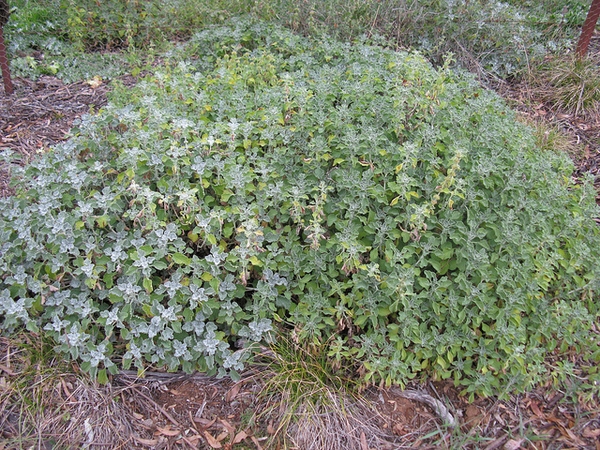
White horehound is a gray-green herb with a famously bitter reputation. Marrubium vulgare belongs to the mint family, but its character is very different from a sweet garden mint. Crinkled leaves and small whorls of flowers make it an interesting subject for a herb garden and a useful plant for studying the boundary between food history and herbal medicine. [1]
Origins, History, and Identity
Native across parts of Europe, northern Africa, and Asia, horehound has naturalized widely. Historical preparations include drinks and other bitter herbal products. The word white helps distinguish Marrubium vulgare from plants called black horehound. As with many old common names, the botanical label gives the more dependable identity. [1]
Historical Uses and Modern Context
Horehound is often encountered in commercially prepared sweets, where sugar balances the bitterness. Read the actual ingredient list: flavoring, plant extract, and an herbal medicine are not necessarily the same thing. Rather than inventing a concentrated household syrup, the activities here explore the living plant and compare product labels. The history remains accessible without assuming that every traditional preparation is suitable to reproduce.
Traditional Uses and What the Evidence Means
EMA’s horehound assessment discusses traditional use for coughs, mild digestive complaints, and appetite. Traditional-use recognition is not the same as strong clinical-trial proof. Any medicinal product needs its own directions and suitability assessment. [2]
Do not use a confectionery recipe or a garden article to dose a cough treatment, particularly for children. Persistent cough, breathing difficulty, or unexplained symptoms need appropriate medical assessment.
Growing and Harvesting
Give the plant sun and well-drained soil. It tolerates relatively dry conditions once established and may become weedy. Remove unwanted seedlings or seed heads, and check regional planting guidance before allowing it to spread. [1]
Buying and Storage
Keep garden seed and craft material labeled separately from foods. Store a commercial horehound product according to its own package instructions, and retain that label rather than moving an unfamiliar herbal product into an unmarked jar.
Two Ways to Explore This Botanical
These original suggestions are starting points for your own observations.
A Horehound Growth Diary
A seasonal garden project.
Materials
- A labeled Marrubium vulgare plant
- A suitable sunny position
- Notebook
Method
- Record the plant’s size and leaf texture at planting.
- Watch for the development of flower whorls and visiting insects.
- Note when seed begins to form so you can prevent unwanted spread.
Read a Horehound Product Label
About 10 minutes.
Materials
- A commercial horehound product label
- Paper and pencil
Method
- Identify whether the product is sold as a confection, tea, or medicine.
- Record the plant name, other ingredients, and any preparation directions.
- Separate flavor claims from treatment claims in your notes. Do not infer an effective medical dose from the amount in a candy.
Frequently Asked Questions
Is horehound simply another mint tea?
No. It is in the mint family, but has its own bitter composition and history. Family membership does not make herbs interchangeable.
Does a horehound candy count as medicine?
That depends on the product and its labeling. A sweet containing a flavor or extract should not automatically be treated as a proven cough remedy.
Explore the Herb Library
Continue exploring our Herbs & Spices Educational Guide, or browse horehound in the Spirit of Wormwood store.
Have you grown this plant or encountered it in a favorite food tradition? Share your experience in the comments.
Sources and Further Reading
Botanical image: Form harry Rose CC BY 2.0. Source and original credit; image license. Original photograph retained; display sizes may be resized or cropped.
Leave a Reply