
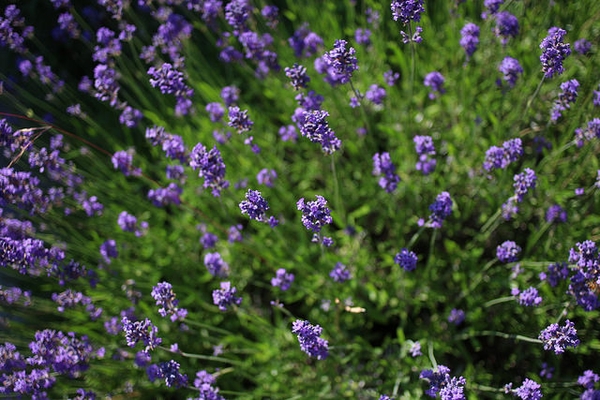
Lavender is familiar as a fragrance, but carefully chosen culinary flowers can also give food a floral accent. The guide covers Lavandula species; this profile uses English lavender, Lavandula angustifolia, as its main reference. A tiny amount is usually enough to make the flavor noticeable. [1]
Origins, History, and Identity
English lavender comes from Mediterranean regions despite its common name. It is an evergreen mint-family shrub with aromatic foliage and flower spikes. Other lavender species and hybrids have different scents and growing needs. A potpourri product and a packet of edible lavender may look similar, but their intended uses are different. [1]
Culinary Uses and Flavor
Choose lavender explicitly sold for cooking. Begin with a small pinch, especially in a light syrup or dairy dish, where the aroma can quickly become overwhelming. Steeping and straining gives you more control than leaving lots of flower material in the food. Pairing lavender with lemon is an approachable starting point, but taste before adding other floral ingredients.
Traditional Uses and What the Evidence Means
NCCIH describes limited evidence for some standardized oral lavender products and uncertainty about many aromatherapy claims. Those findings do not establish that lavender cookies or tea treat anxiety or insomnia. [2]
Do not substitute essential oil or scented craft flowers for culinary lavender. Concentrated products can have adverse effects and possible interactions, including with sedative medicines; pregnancy and breastfeeding safety is not well established. [2]
Growing and Harvesting
English lavender needs sun and excellent drainage. Avoid keeping the roots wet, particularly in heavy soil or cool weather. Select a cultivar suited to local conditions, and trim appropriately without assuming that all woody stems will regrow after a hard cut. [1]
Buying and Storage
Buy a quantity you can use while its aroma is still appealing. Keep the container tightly closed in a cool, dark cupboard, and use a dry spoon when measuring. Label the purchase date. A faded aroma is a good reason to replace a spice rather than keep increasing the amount in a recipe.
Two Simple Recipes to Try
These original recipe suggestions are small, approachable ways to explore the flavor. They are culinary ideas, not medicinal preparations; adjust future batches to your taste.
Light Lavender Lemon Syrup
Makes a small refrigerated batch; about 20 minutes.
Ingredients
- ½ cup water
- ½ cup sugar
- ¼ teaspoon dried culinary lavender flowers
- 1 strip lemon peel, with little white pith
Method
- Warm the water and sugar in a small saucepan, stirring until dissolved. Remove from the heat.
- Add the seasoning and lemon peel. Cover and steep for 10 minutes, tasting a cooled spoonful to check the strength.
- Strain thoroughly and cool. Refrigerate in a clean, covered container and use promptly; this is not a shelf-stable preserve. Try 1–2 teaspoons in sparkling water or drizzled over fruit.
Lavender Honey Yogurt
Serves 2; 10 minutes.
Ingredients
- 1 cup plain yogurt
- 2 teaspoons honey
- A very small pinch of dried culinary lavender, finely crushed
- ½ teaspoon lemon zest
Method
- Mix the honey with the crushed lavender and lemon zest.
- Stir into the yogurt and chill briefly.
- Taste before adding any more flowers. Serve with sliced peaches or berries.
Frequently Asked Questions
Can I cook with any lavender from a flower shop?
No. Use a known culinary species grown and handled for food, without unsuitable ornamental treatments.
Why does my dessert taste like perfume?
The amount may be too high for that dish. Make a smaller, lightly flavored batch and increase only after tasting.
Explore the Herb Library
Continue exploring our Herbs & Spices Educational Guide, or browse lavender in the Spirit of Wormwood store.
Have you grown this plant or encountered it in a favorite food tradition? Share your experience in the comments.
Sources and Further Reading
Botanical image: Flowers Mats Hagwell CC BY 2.0. Source and original credit; image license. Original photograph retained; display sizes may be resized or cropped.
Leave a Reply