
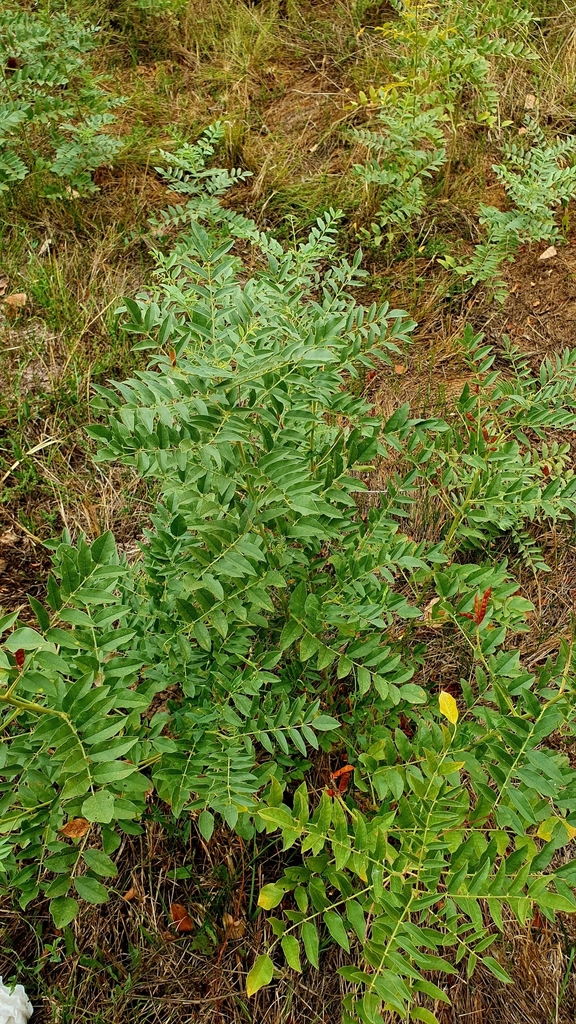
Licorice is a sweet root with a history that deserves more care than its candy associations suggest. Glycyrrhiza glabra is a perennial legume, unrelated to anise and fennel despite their similar flavor associations. True licorice root can have significant effects in the body, so identifying the actual ingredient is essential. [1]
Origins, History, and Identity
Licorice has long been used in foods and traditional preparations across parts of Europe and Asia. Its underground parts supply a sweet compound called glycyrrhizin. Some sweets described as licorice are flavored partly or entirely with anise instead, while other products contain real root extract. The front of the package does not always explain that difference. [1]
Historical Uses and Modern Context
Read the full ingredient list rather than judging by black color or a licorice-like taste. Root, extract, deglycyrrhizinated licorice, and anise flavoring are different materials. This profile does not provide a homemade root tea or syrup dose. The practical activities below help you understand the labels and compare botanical identities without encouraging regular intake of an uncertain amount.
Traditional Uses and What the Evidence Means
NCCIH reports that evidence is insufficient for many promoted licorice uses and that effects of licorice alone on digestive symptoms remain unclear. The term traditional should describe history, not function as a guarantee of effectiveness. [2]
Glycyrrhizin can cause serious effects, including irregular heartbeat. Risk is especially relevant with high blood pressure, heart or kidney conditions, prolonged intake, and some medicines. Pregnancy also requires caution. Seek individual clinical guidance before medicinal use. [2]
Growing and Harvesting
The plant needs deep, fertile, moisture-retentive but well-drained soil for root development. It can spread vigorously once established. A garden specimen needs room and thoughtful containment; growing it does not establish that a home preparation is suitable to consume. [1]
Buying and Storage
Keep licorice-containing products in their original labeled packages and away from children. A botanical name, preparation type, and full ingredient list are more informative than a general sweet-root claim. Do not decant root extracts into unlabeled kitchen bottles.
Two Ways to Explore This Botanical
These original suggestions are starting points for your own observations.
Read a Licorice Ingredient Label
About 10 minutes.
Materials
- Two confectionery or herbal-product labels
- Notebook
Method
- Find the complete ingredient lists, including any licorice root, extract, anise, or flavoring.
- Write down what is actually specified and what remains unclear.
- Keep the labels with your notes; do not infer a safe daily dose from the serving size of an unrelated product.
Map the Licorice-Flavored Plants
A library comparison.
Materials
- The anise, fennel, star anise, and licorice profiles
- Paper and pencil
Method
- Write each botanical name in its own column.
- Record the plant part used: root, fruit, or other material.
- Compare the culinary role and specific precautions. Use the chart to choose the correct ingredient when reading a recipe.
Frequently Asked Questions
Is anise the same as licorice root?
No. The flavor association is similar, but Pimpinella anisum and Glycyrrhiza glabra are different plants with different compositions.
Does DGL mean ordinary licorice?
No. DGL means deglycyrrhizinated licorice, a processed preparation. It should not be assumed equivalent to whole root or every other product.
Explore the Herb Library
Continue exploring our Herbs & Spices Educational Guide, or browse licorice in the Spirit of Wormwood store.
Have you grown this plant or encountered it in a favorite food tradition? Share your experience in the comments.
Sources and Further Reading
Botanical image: Form – August – Bagaevskiy rayon, Russia Anna Mitroshenkova CC BY 4.0. Source and original credit; image license. Original photograph retained; display sizes may be resized or cropped.
Leave a Reply