
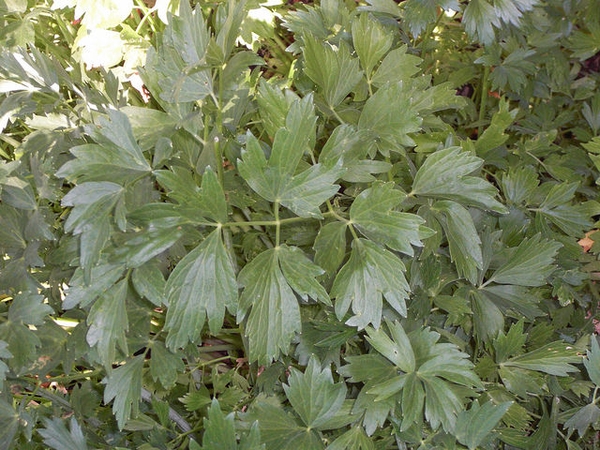
Lovage is a large herb with a strong celery-like character. Levisticum officinale belongs to the carrot family and can become a substantial perennial in the garden. A small amount of leaf can deepen a broth or a pot of beans, making it useful when a dish needs a savory green accent. [1]
Origins, History, and Identity
Associated with the eastern Mediterranean, lovage has a long place in kitchen gardens. Leaves, seeds, and other parts have been used in food, but each has a different texture and concentration. The mature plant’s height is worth remembering when choosing a position: this is more than a tiny windowsill garnish. [1]
Culinary Uses and Flavor
Start with a little chopped leaf rather than matching the amount of parsley in a recipe. Its celery-like flavor can be powerful, especially in a mild soup. Pair it with potatoes, beans, or a light broth. Taste before adding celery salt or other strong savory seasonings, since the combined effect can overwhelm the dish you are trying to enhance.
Traditional Uses and What the Evidence Means
Lovage appears in traditional digestive and urinary preparations. Those historical uses should be distinguished from adding a leaf to soup; this article does not recommend a diuretic remedy or treatment for urinary symptoms.
Use a labeled culinary plant, especially because its family includes dangerous lookalikes. Keep recipes at ordinary food quantities and seek appropriate advice before using concentrated preparations.
Growing and Harvesting
Provide deep, fertile, moist but well-drained soil in sun to partial shade. Harvest some young leaves regularly and leave enough growth to support the plant. Prevent unwanted seed spread and check local advice where it escapes cultivation. [1]
Buying and Storage
For cooking, choose clean leaves with a lively aroma and remove damaged material. Rinse under running water and dry before chopping. Keep only a modest supply on hand so you can enjoy the flavor at its best. Label dried herbs clearly and keep them away from light, moisture, and the heat above the stove.
Two Simple Recipes to Try
These original recipe suggestions are small, approachable ways to explore the flavor. They are culinary ideas, not medicinal preparations; adjust future batches to your taste.
Lovage White Beans
Serves 2–3; about 15 minutes.
Ingredients
- 1 tablespoon olive oil
- 1 small carrot, finely diced
- 1 teaspoon finely chopped fresh lovage leaves
- 1 can (15 ounces) white beans, drained and rinsed
- ½ cup water or broth
- 1 teaspoon lemon juice
- Salt to taste
Method
- Soften the carrot in the oil over medium-low heat for about 5 minutes.
- Add the beans, water, and seasoning. Simmer gently for 6–8 minutes, stirring occasionally.
- Remove any whole spice pieces. Add lemon juice and adjust the salt. Serve on toast or alongside rice; add a splash of water for a looser consistency.
Lovage Lemon Butter
Makes 4 tablespoons; 10 minutes.
Ingredients
- 4 tablespoons softened unsalted butter
- 1 teaspoon finely chopped fresh lovage leaves
- ½ teaspoon finely grated lemon zest
- A small pinch of salt
Method
- Mix the butter with the seasoning, lemon zest, and salt until evenly combined.
- Spoon into a small covered dish and chill until ready to serve.
- Use a little on warm bread, steamed vegetables, or freshly cooked potatoes. Refrigerate leftovers promptly; this is a fresh spread, not a room-temperature preserve.
Frequently Asked Questions
Can lovage replace celery stalks?
It can supply a related flavor, but not the same volume or crunch. Use a small amount of leaf and keep the rest of the recipe’s structure in mind.
Will it fit in a small herb bed?
An established plant can become tall and broad. Give it a position that will not shade out smaller herbs.
Explore the Herb Library
Continue exploring our Herbs & Spices Educational Guide, or browse lovage in the Spirit of Wormwood store.
Have you grown this plant or encountered it in a favorite food tradition? Share your experience in the comments.
Sources and Further Reading
Botanical image: Levisticum officinale Andrey Zharkikh CC BY 2.0. Source and original credit; image license. Original photograph retained; display sizes may be resized or cropped.
Leave a Reply