
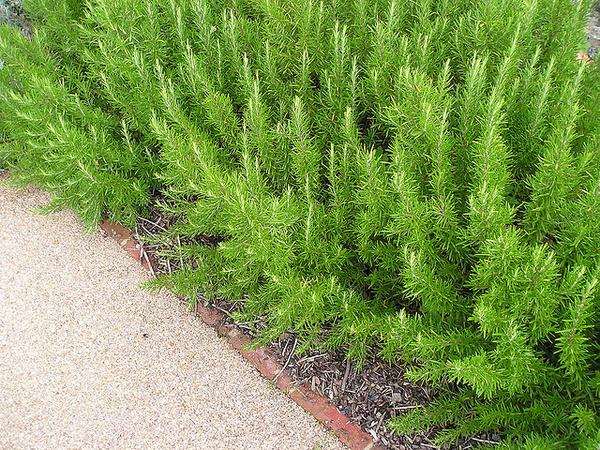
Rosemary is a woody herb with a bold, resinous fragrance. Salvia rosmarinus, long known as Rosmarinus officinalis, has narrow evergreen leaves that can give a small amount of food a pronounced aromatic character. A sprig is useful, but a little finely chopped leaf is often easier to distribute. [1]
Origins, History, and Identity
Native around the Mediterranean and neighboring regions, rosemary is well suited to the idea of a sunny, well-drained herb garden. Its older botanical name remains common in recipes and nurseries. The move into Salvia reflects botanical classification; it does not mean the plant in an older cookbook has become a different kitchen ingredient. [1]
Culinary Uses and Flavor
For a sauce or broth, use a sprig that can be removed. For potatoes or a butter, strip the leaves and chop them finely so the needle-like pieces do not distract from the texture. Begin with a modest amount, particularly if the leaves are strongly scented. Rosemary pairs well with lemon and olive oil, but a heavy dose can overwhelm gentle vegetables.
Traditional Uses and What the Evidence Means
Rosemary’s associations with memory and other wellness uses should be separated from claims about a seasoned meal. A culinary sprig is not an established treatment for memory problems or poor circulation.
Remove woody stems before serving. Essential oil is a concentrated product and should not replace chopped leaves in a recipe or be swallowed as a home remedy.
Growing and Harvesting
Provide sun and excellent drainage, and choose a cultivar suited to local winter conditions. Containers need protection from both severe cold and waterlogging. Harvest lightly from established plants and avoid stripping all green growth from a stem. [1]
Buying and Storage
For cooking, choose clean leaves with a lively aroma and remove damaged material. Rinse under running water and dry before chopping. Keep only a modest supply on hand so you can enjoy the flavor at its best. Label dried herbs clearly and keep them away from light, moisture, and the heat above the stove.
Two Simple Recipes to Try
These original recipe suggestions are small, approachable ways to explore the flavor. They are culinary ideas, not medicinal preparations; adjust future batches to your taste.
Rosemary Lemon Potatoes
Serves 3–4; about 35 minutes.
Ingredients
- 1½ pounds potatoes, cut into 1-inch pieces
- 1½ tablespoons olive oil
- 1 teaspoon finely chopped fresh rosemary leaves
- ¼ teaspoon salt
- 1 tablespoon lemon juice
Method
- Place the potatoes in a saucepan, cover with water, and simmer for 12–18 minutes until easily pierced with a fork. Drain well.
- Warm the oil in a large skillet over medium heat. Add the potatoes and cook for 8–10 minutes, turning occasionally, until golden at the edges.
- Remove from the heat and toss with the seasoning, salt, and lemon juice. Serve warm.
Rosemary Herb Butter
Makes 4 tablespoons; 10 minutes.
Ingredients
- 4 tablespoons softened unsalted butter
- ½ teaspoon very finely chopped fresh rosemary leaves
- ½ teaspoon finely grated lemon zest
- A small pinch of salt
Method
- Mix the butter with the seasoning, lemon zest, and salt until evenly combined.
- Spoon into a small covered dish and chill until ready to serve.
- Use a little on warm bread, steamed vegetables, or freshly cooked potatoes. Refrigerate leftovers promptly; this is a fresh spread, not a room-temperature preserve.
Frequently Asked Questions
Why do labels use two botanical names?
Rosmarinus officinalis is the older name; Salvia rosmarinus is the name commonly used in current horticultural references.
Can I use a whole sprig instead of chopped leaves?
Yes for an infusion that will be strained or retrieved. For a dish where the herb stays in the food, finely chopped leaves give a better texture.
Explore the Herb Library
Continue exploring our Herbs & Spices Educational Guide, or browse rosemary in the Spirit of Wormwood store.
Have you grown this plant or encountered it in a favorite food tradition? Share your experience in the comments.
Sources and Further Reading
Botanical image: Salvia rosmarinus as a border Anna CC BY 2.0. Source and original credit; image license. Original photograph retained; display sizes may be resized or cropped.
Leave a Reply