
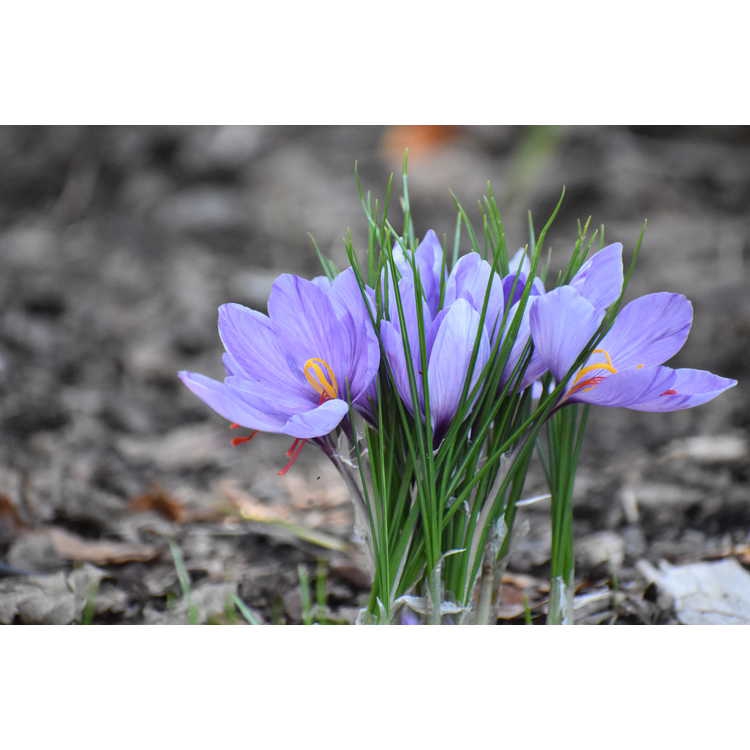
Saffron is a small ingredient with an unusually labor-intensive origin. The spice consists of the dried stigmas of Crocus sativus, collected from autumn flowers. A few threads can give rice or a warm milk dish a distinctive fragrance and golden color, making careful handling more useful than a large quantity. [1]
Origins, History, and Identity
Saffron is an ancient cultivated crop rather than an ordinary wild-foraged spice. The plant grows from corms, and each flower supplies only a little of the useful material. Its history of cultivation across several regions is more complex than a single simple invention story. The labor behind each small packet helps explain why authenticity matters. [1]
Culinary Uses and Flavor
Buy from a reputable spice supplier and begin with a small pinch of threads. Steep them in a little warm liquid before adding both liquid and threads to the dish. This makes the color and flavor easier to distribute. Turmeric can color food yellow, but it does not reproduce saffron’s aroma; a substitution changes the dish rather than duplicating it.
Traditional Uses and What the Evidence Means
Saffron has a history in herbal preparations and is studied in specialized products. This food profile does not establish treatment for mood disorders, and culinary threads should not be used to replace appropriate care.
Use small culinary quantities. Correct identity is essential: other autumn-flowering plants, including Colchicum, can be poisonous. Buy the spice or named corms rather than relying on flower resemblance.
Growing and Harvesting
Use correctly labeled Crocus sativus corms in a sunny, well-drained position and follow planting guidance for your climate. Corms multiply over time. Do not gather flowers simply because they resemble an autumn crocus. [1]
Buying and Storage
Buy a quantity you can use while its aroma is still appealing. Keep the container tightly closed in a cool, dark cupboard, and use a dry spoon when measuring. Label the purchase date. A faded aroma is a good reason to replace a spice rather than keep increasing the amount in a recipe.
Two Simple Recipes to Try
These original recipe suggestions are small, approachable ways to explore the flavor. They are culinary ideas, not medicinal preparations; adjust future batches to your taste.
Simple Saffron Rice
Serves 3–4; about 30 minutes.
Ingredients
- 1 cup long-grain white rice, rinsed
- A small pinch of saffron threads
- 1¾ cups water, divided, or the amount on the rice package
- 1 tablespoon olive oil
- ¼ teaspoon salt
Method
- Steep the saffron in 2 tablespoons of the warm measured water for 10 minutes.
- Combine the rice, remaining water, saffron infusion, oil, and salt in a saucepan.
- Cook covered according to the rice package, then rest off the heat for 5 minutes and fluff.
Saffron Warm Milk
Serves 2; 15 minutes.
Ingredients
- 2 cups milk or oat beverage
- A few saffron threads
- 1–2 teaspoons sugar, optional
Method
- Warm 2 tablespoons of the milk and steep the threads in it for 10 minutes.
- Warm the remaining milk gently, then stir in the infusion.
- Sweeten lightly if desired and serve warm. Use only a few threads; this is a flavored drink, not a medicinal preparation.
Frequently Asked Questions
Are saffron threads flower petals?
No. They are stigmas, part of the flower’s reproductive structure. The purple petals are not the spice.
Can I grow it from saffron in a jar?
No. The dried stigmas are not seeds or corms. Buy correctly identified planting corms.
Explore the Herb Library
Continue exploring our Herbs & Spices Educational Guide, or browse saffron in the Spirit of Wormwood store.
Have you grown this plant or encountered it in a favorite food tradition? Share your experience in the comments.
Sources and Further Reading
Botanical image: Flower and leaves CC BY 2.0 JC Raulston Arboretum. Source and original credit; image license. Original photograph retained; display sizes may be resized or cropped.
Leave a Reply