
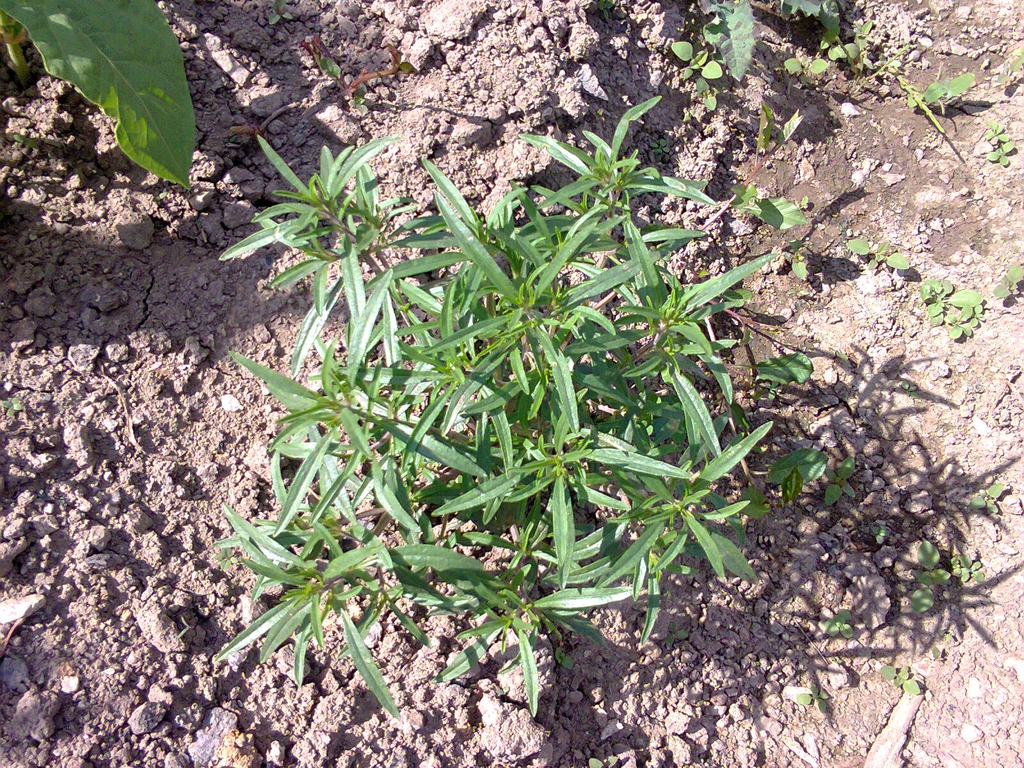
Tarragon gives a sauce an anise-like elegance that is hard to reproduce with another herb. The kitchen favorite is a cultivated form of Artemisia dracunculus, commonly called French tarragon. Choosing the right plant matters: a packet labeled tarragon may not promise the aromatic quality you expect. [1]
Origins, History, and Identity
The wider species occurs across large parts of Eurasia and North America. Culinary selections were chosen for their fragrant leaves, while wild or other seed-grown forms may be less appealing. Tarragon belongs to the daisy family, despite its use alongside many mint-family herbs. The cultivar name clarifies which plant a gardening reference is discussing. [1]
Culinary Uses and Flavor
Chop tender leaves into a mild sauce, dressing, or butter. Begin with a small amount; a strong anise-like note can overwhelm delicate food. Lemon, yogurt, eggs, and potatoes make useful partners for a first experiment. Fresh and dried tarragon differ in aroma, so evaluate what is actually in your hand rather than treating the herb name as a fixed intensity.
Traditional Uses and What the Evidence Means
Tarragon has a history in herbal preparations, but a sauce seasoned with its leaves should not be presented as a treatment for appetite or digestive problems. Concentrated extracts require a separate assessment.
Use ordinary culinary amounts from a correctly identified plant. Avoid essential oil substitutions and keep garden material separate from foods until it has been washed and prepared.
Growing and Harvesting
Choose a named French tarragon plant for culinary flavor and use well-drained soil with sun. Avoid wet roots, especially through cold weather. Division or cuttings preserve a selected plant’s character more reliably than buying an unspecified seed packet. [1]
Buying and Storage
For cooking, choose clean leaves with a lively aroma and remove damaged material. Rinse under running water and dry before chopping. Keep only a modest supply on hand so you can enjoy the flavor at its best. Label dried herbs clearly and keep them away from light, moisture, and the heat above the stove.
Two Simple Recipes to Try
These original recipe suggestions are small, approachable ways to explore the flavor. They are culinary ideas, not medicinal preparations; adjust future batches to your taste.
Tarragon Lemon Yogurt Sauce
Makes about 1 cup; 10 minutes.
Ingredients
- 1 cup plain Greek yogurt
- 1 teaspoon finely chopped fresh French tarragon
- 1 teaspoon lemon juice
- 1 teaspoon olive oil
- A small pinch of salt
Method
- Wash and dry any fresh herbs, then chop them finely. Measure the remaining ingredients into a bowl.
- Stir everything together, taste, and adjust the lemon or salt a little at a time.
- Let stand in the refrigerator for 10 minutes, then stir again before serving with vegetables, warm flatbread, or baked potatoes.
Fresh Tarragon Dressing
Makes about ⅓ cup; 5 minutes.
Ingredients
- 3 tablespoons olive oil
- 1 tablespoon lemon juice or cider vinegar
- 1 teaspoon finely chopped fresh French tarragon
- 1 teaspoon honey or maple syrup
- A small pinch of salt
Method
- Measure the ingredients into a clean jar with a tight lid.
- Shake until blended, then taste on a leaf of lettuce rather than straight from the jar. Adjust the acidity or salt if needed.
- Toss with a simple salad just before serving, or spoon over cooked vegetables. Refrigerate unused dressing promptly and shake again before using.
Frequently Asked Questions
Why does my seed-grown tarragon taste bland?
Seed-grown plants may not be the French culinary selection. A named plant propagated from an aromatic selection is a better starting point.
Is Mexican tarragon the same species?
No. That name commonly refers to Tagetes lucida. It may have a related flavor impression but needs its own growing and use guidance.
Explore the Herb Library
Continue exploring our Herbs & Spices Educational Guide, or browse tarragon in the Spirit of Wormwood store.
Have you grown this plant or encountered it in a favorite food tradition? Share your experience in the comments.
Sources and Further Reading
Botanical image: Form close-up DenesFeri CC BY-SA 4.0. Source and original credit; image license. Original photograph retained; display sizes may be resized or cropped.
Leave a Reply