
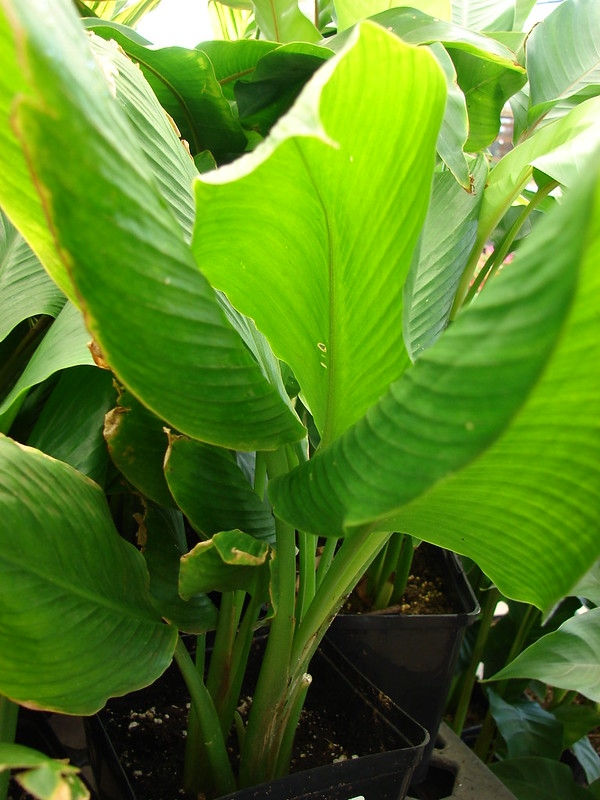
Turmeric gives a dish a warm golden color and an earthy flavor. The spice comes from the rhizome of Curcuma longa, a member of the ginger family. Fresh rhizomes and dried powder both belong in the kitchen, but they differ in texture and how easily they disperse. [1]
Origins, History, and Identity
Turmeric has a long history in Asian food, coloring, and traditional medicine. It is widely cultivated in India and other warm regions. Curcumin is one of the compounds associated with its color, but a culinary rhizome is a mixture of substances rather than an isolated curcumin product. [2] [1]
Culinary Uses and Flavor
Start with a little powder in rice or lentils, where the color spreads through the cooking liquid. For fresh turmeric, grate or mince it finely and expect it to stain hands, cloth, and some surfaces. Too much can make a dish earthy or bitter. It can supply yellow color, but it does not reproduce saffron’s fragrance and should not be presented as the same ingredient.
Traditional Uses and What the Evidence Means
NCCIH describes promising but incomplete research for some turmeric or curcumin uses. The results do not establish broad claims that turmeric treats inflammation in every form or prevents disease. Formulation matters, and concentrated products differ from food. [2]
Some enhanced-absorption curcumin supplements have been linked with liver injury. Discuss supplements with a clinician rather than assuming that a kitchen spice and a concentrated product have the same safety profile. [2]
Growing and Harvesting
Grow from healthy rhizomes in warmth with fertile, well-drained soil and appropriate moisture. A container can be protected in a cool climate. Allow the plant a long enough growing season before expecting a useful rhizome harvest. [1]
Buying and Storage
Store ground turmeric dry and tightly closed. Keep fresh rhizomes refrigerated according to their condition and packaging, and discard moldy or softened material. Label the powder clearly and protect light-colored work surfaces when preparing the fresh ingredient.
Two Simple Recipes to Try
These original recipe suggestions are small, approachable ways to explore the flavor. They are culinary ideas, not medicinal preparations; adjust future batches to your taste.
Golden Turmeric Rice
Serves 3–4; about 25 minutes.
Ingredients
- 1 cup long-grain white rice, rinsed
- 1 tablespoon olive oil
- ¼ teaspoon ground turmeric
- 1¾ cups water or the amount specified on the rice package
- ¼ teaspoon salt
Method
- Warm the oil over medium-low heat. Add the seasoning and stir for 20 seconds without allowing it to scorch.
- Add the rice, water, and salt. Bring to a simmer, cover tightly, and reduce the heat to low.
- Cook for the time on the rice package, usually 15–18 minutes. Remove from the heat and rest, covered, for 5 minutes. Remove whole pods or bark, then fluff with a fork.
Simple Golden Lentils
Serves 3–4; about 30 minutes.
Ingredients
- 1 cup red lentils, rinsed
- 3 cups water
- 1 tablespoon oil
- ¼ teaspoon ground turmeric
- ½ teaspoon ground cumin
- ½ teaspoon salt
- 1 tablespoon lemon juice
Method
- Simmer the lentils in the water for 15–20 minutes until soft, stirring occasionally. Add water if they become too thick.
- In a separate small pan, warm the oil over medium-low heat. Stir in the seasoning and cumin for 15–20 seconds, just until fragrant.
- Carefully stir the seasoned oil into the lentils. Add the salt and lemon juice, simmer for 2 minutes, and serve with rice or bread.
Frequently Asked Questions
Can turmeric replace saffron?
It can color a dish, but the aroma and flavor are different. Make the substitution only if you accept a different result.
Does adding more powder make a dish healthier?
More is not automatically better. Use an amount that suits the food rather than treating the recipe as a supplement dose.
Explore the Herb Library
Continue exploring our Herbs & Spices Educational Guide, or browse turmeric in the Spirit of Wormwood store.
Have you grown this plant or encountered it in a favorite food tradition? Share your experience in the comments.
Sources and Further Reading
Botanical image: Foliage and habit. Forest and Kim Starr CC BY 2.0. Source and original credit; image license. Original photograph retained; display sizes may be resized or cropped.
Leave a Reply