
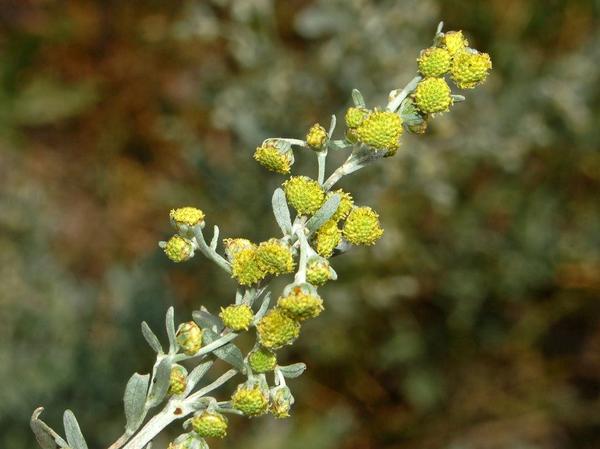
Wormwood gives Spirit of Wormwood its most evocative botanical name. Artemisia absinthium is a strongly aromatic perennial with silvery foliage and a notably bitter character. Its history connects gardens, herbal traditions, and botanical spirits, but understanding the plant also means recognizing that concentrated preparations need particular care. [1]
Origins, History, and Identity
Native across parts of Eurasia, wormwood has spread into many other regions. It belongs to the daisy family and is one of many Artemisia species. Its association with absinthe is well known, but common names such as mugwort, sweet wormwood, and wormwood can refer to different plants. They should not be treated as interchangeable because they share a genus or a dramatic reputation. [1]
Historical Uses and Modern Context
Wormwood’s role in commercial botanical spirits is different from adding an uncertain quantity of dried herb to a homemade drink. This profile does not provide an infusion, distillation, or essential-oil recipe. A general library article cannot control species identity or the concentration of a home extract. The activities below explore the plant through observation and reference work, preserving its historical interest without pretending that bitterness is a dose measure.
Traditional Uses and What the Evidence Means
EMA recognizes specified wormwood preparations on the basis of long-standing traditional use for temporary appetite loss and mild digestive complaints. Its assessment also notes insufficient clinical-trial evidence. That carefully defined context should not become a broad claim that any wormwood product treats a disease. [2]
Do not ingest wormwood essential oil or use homemade concentrated extracts. Concentrated plant oils, including wormwood oil, have been associated with seizures. [3] EMA also lists restrictions involving liver disease, bile-duct problems, and allergy to related plants; medicinal use needs the actual product’s professional guidance. [2]
Growing and Harvesting
Choose sun and well-drained soil and allow room for the plant’s mature size. Pinching back can encourage a more compact shape. Prevent unwanted self-seeding, and check local guidance before planting where the species may escape cultivation. [1]
Buying and Storage
Buy plants with an explicit botanical identity and keep them separate from herbs routinely harvested for meals. Retain complete labels on commercial products. Store dried specimens or other non-food material where they cannot be mistaken for an ordinary tea ingredient.
Two Ways to Explore This Botanical
These original suggestions are starting points for your own observations.
A Wormwood Garden Notebook
A seasonal observation project.
Materials
- A correctly labeled Artemisia absinthium plant
- A suitable garden position
- Notebook or camera
Method
- Record the planting location, light, and soil drainage.
- Observe foliage color, plant shape, and flower development without tasting the plant.
- Track any seedlings and manage spread according to local guidance. Use your notes to decide whether the site and spacing suit the plant.
Compare Artemisia Names
A botanical reference activity.
Materials
- Reliable botanical profiles for Artemisia absinthium, Artemisia annua, and Artemisia dracunculus
- Paper and pencil
Method
- Make a separate entry for each scientific name and its common names.
- Record the plant part and use discussed by each source rather than assuming the same use across the genus.
- Note any safety restrictions. Keep this comparison with your herb-library notes so future product labels are easier to interpret.
Frequently Asked Questions
Is wormwood the same as sweet wormwood?
No. Sweet wormwood commonly refers to Artemisia annua. This profile concerns Artemisia absinthium, and their products should not be substituted for one another.
Can I make a parasite cleanse from it?
This profile does not recommend that. Suspected infection needs appropriate diagnosis and treatment, not an uncertain homemade botanical preparation.
Can bitterness tell me how much thujone is present?
No. Taste is not a reliable way to measure the concentration or safety of an extract.
Explore the Herb Library
Continue exploring our Herbs & Spices Educational Guide, or browse wormwood in the Spirit of Wormwood store.
Have you grown this plant or encountered it in a favorite food tradition? Share your experience in the comments.
Sources and Further Reading
- NC State Extension — Wormwood (Artemisia absinthium)
- European Medicines Agency — Wormwood assessment
- Burkhard et al. — Plant-induced seizures: case reports involving concentrated oils
Botanical image: inflorescence Ettore Balocchi CC BY 2.0. Source and original credit; image license. Original photograph retained; display sizes may be resized or cropped.
Leave a Reply