
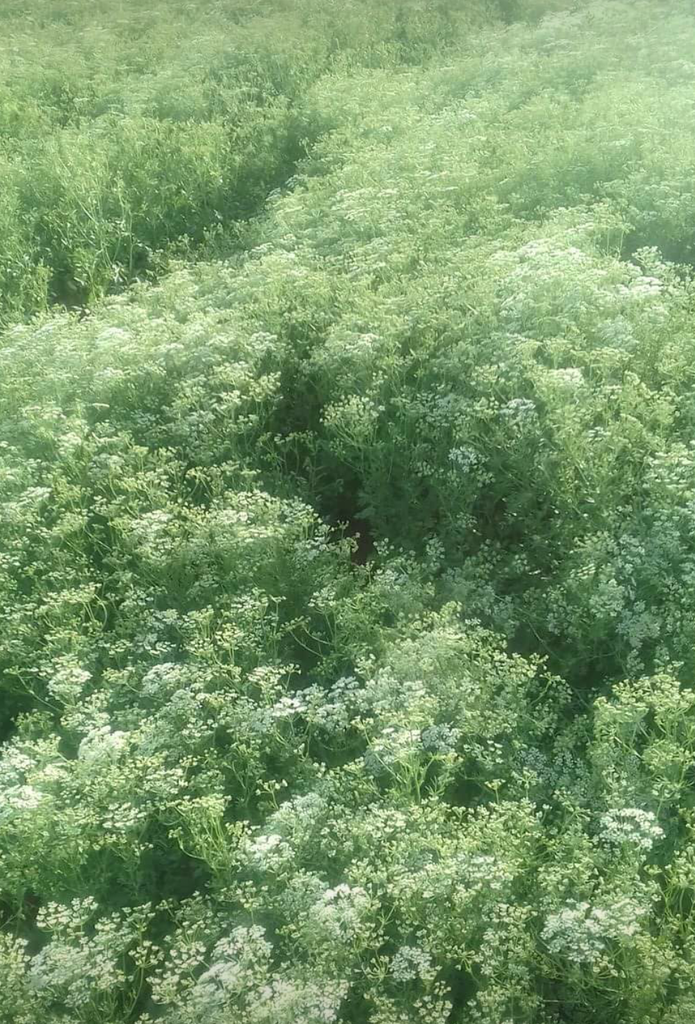
Anise is the small spice with a big licorice-like personality. The aromatic fruits of Pimpinella anisum, usually called seeds, can make a simple bowl of fruit taste like a special dessert. This annual belongs to the carrot family and offers a very different plant story from star anise, despite their similar flavors. [1]
Origins, History, and Identity
Anise is associated with Egypt and the Middle East and has traveled widely as a food flavoring. Its small pale flowers develop into the ridged fruits used in baking. The useful distinction for the kitchen is botanical: anise is an herbaceous plant, while star anise comes from a tree. Neither is the root used to make true licorice. [1]
Culinary Uses and Flavor
Lightly crush whole anise just before using it. That lets you distribute the flavor without leaving every bite dependent on whether it contains a whole seed. Pair it with orange, apples, pears, or a little chocolate. When adding it to a familiar recipe, begin with a small batch and leave out competing strong spices so you can recognize its own character.
Traditional Uses and What the Evidence Means
Anise has a long association with aromatic foods and herbal preparations. A familiar digestive reputation is not a reason to treat persistent symptoms with concentrated anise products. Enjoying the seed in food and using an essential oil involve very different exposures.
Use food-grade anise seeds rather than ornamental seed or essential oil. People with an allergy to anise should avoid it. The recipes below are flavor experiments, not cough remedies or preparations for infants.
Growing and Harvesting
Grow anise from seed in a sunny position. Allow some plants to complete flowering if your goal is the spice rather than leafy growth. Keep harvested seed heads labeled and dry them thoroughly before storing the separated fruits. [1]
Buying and Storage
Buy a quantity you can use while its aroma is still appealing. Keep the container tightly closed in a cool, dark cupboard, and use a dry spoon when measuring. Label the purchase date. A faded aroma is a good reason to replace a spice rather than keep increasing the amount in a recipe.
Two Simple Recipes to Try
These original recipe suggestions are small, approachable ways to explore the flavor. They are culinary ideas, not medicinal preparations; adjust future batches to your taste.
Anise-Scented Apples
Serves 2; about 20 minutes.
Ingredients
- 2 apples, cored and thinly sliced
- 1 tablespoon butter
- ¼ teaspoon anise seeds, lightly crushed
- 1 tablespoon brown sugar
- 3 tablespoons water
Method
- Melt the butter in a small saucepan over medium-low heat. Add the apples, sugar, water, and seasoning.
- Cover and cook for 5 minutes, then uncover and stir. Cook for another 5–8 minutes until the fruit is tender; add a splash of water if needed.
- Remove any whole spices before serving. Spoon over oatmeal, pancakes, or yogurt. Taste the fruit before adding extra sugar.
Anise and Lemon Syrup
Makes a small refrigerated batch; about 20 minutes.
Ingredients
- ½ cup water
- ½ cup sugar
- ½ teaspoon anise seeds, lightly crushed
- 1 strip lemon peel, with little white pith
Method
- Warm the water and sugar in a small saucepan, stirring until dissolved. Remove from the heat.
- Add the seasoning and lemon peel. Cover and steep for 10 minutes, tasting a cooled spoonful to check the strength.
- Strain thoroughly and cool. Refrigerate in a clean, covered container and use promptly; this is not a shelf-stable preserve. Try 1–2 teaspoons in sparkling water or drizzled over fruit.
Frequently Asked Questions
Can anise replace star anise?
Sometimes the flavor can work, but the shapes and strengths differ. Follow the recipe’s specified form, especially when a whole spice will be removed after steeping.
Should I grind all my seeds at once?
Grind only the amount needed for a recipe. Keeping the rest whole makes it easier to choose between steeping, sprinkling, and grinding later.
Explore the Herb Library
Continue exploring our Herbs & Spices Educational Guide, or browse anise in the Spirit of Wormwood store.
Have you grown this plant or encountered it in a favorite food tradition? Share your experience in the comments.
Sources and Further Reading
Botanical image: Form Abdullah.alkhalaf1 CC0 1.0. Source and original credit; image license. Original photograph retained; display sizes may be resized or cropped.
Leave a Reply