
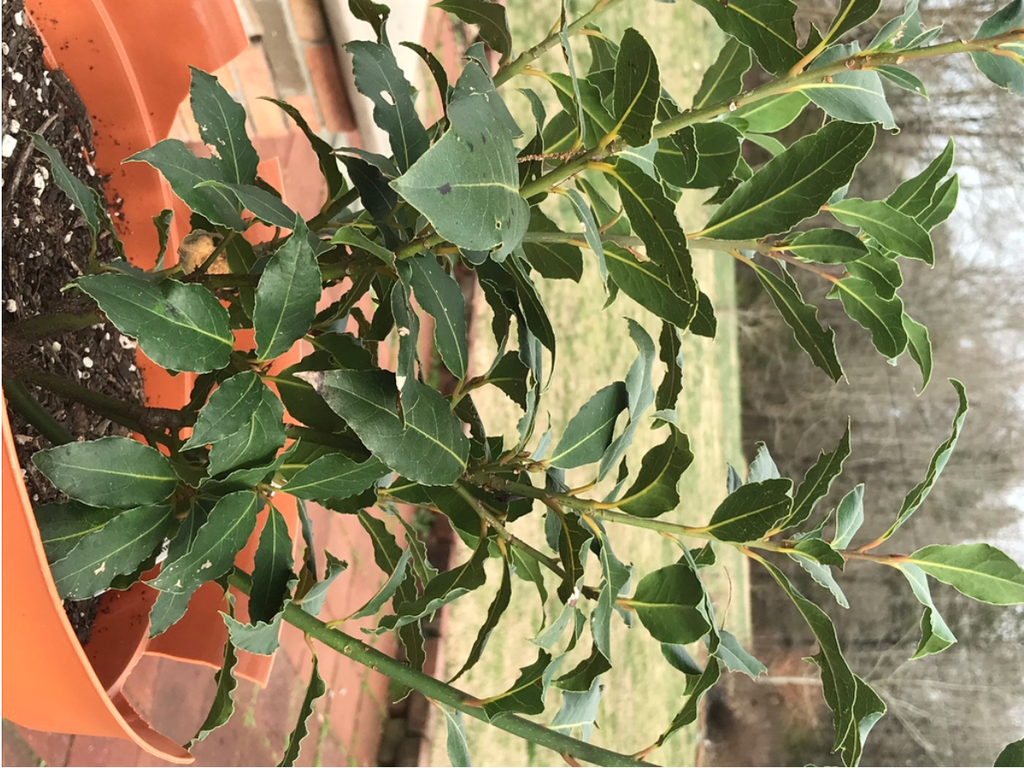
Bay leaf gives a simmering pot a quiet aromatic depth. Culinary bay, Laurus nobilis, is an evergreen Mediterranean tree or shrub whose firm leaves are generally used for infusion. It is a useful reminder that a seasoning can shape a dish without being one of the ingredients you actually eat. [1]
Origins, History, and Identity
The Mediterranean origin of bay helps explain its place in herb gardens and slow-cooked dishes. A living bay can become a substantial tree, although container cultivation keeps it much smaller. Its common names include sweet bay and bay laurel. The word laurel alone is not a reliable food label, because it is applied to unrelated plants. [1]
Culinary Uses and Flavor
Add a whole leaf early to broth, beans, tomato sauce, or a braise, then remove it before serving. For an easy comparison, simmer two small portions of the same broth, adding bay to only one. Taste after several minutes rather than judging the dry leaf. Avoid crushing leaves into a dish unless you can strain out every fragment; whole leaves are much easier to retrieve.
Traditional Uses and What the Evidence Means
Bay has appeared in herbal medicine as well as cooking. Its value in a stockpot does not establish benefits from drinking concentrated bay preparations. The useful kitchen distinction is between flavoring with a leaf and consuming the stiff leaf itself.
Remove whole leaves before serving: their tough, sharp structure can cause choking or injury. Buy culinary Laurus nobilis, and never substitute a landscape plant simply because its label says laurel. [1]
Growing and Harvesting
Give bay well-drained soil and sun to partial shade. In colder regions, use a container that can spend winter in a protected, bright location. Avoid leaving the roots waterlogged. Take a few mature leaves at a time from an established, correctly identified plant. [1]
Buying and Storage
Buy a quantity you can use while its aroma is still appealing. Keep the container tightly closed in a cool, dark cupboard, and use a dry spoon when measuring. Label the purchase date. A faded aroma is a good reason to replace a spice rather than keep increasing the amount in a recipe.
Two Simple Recipes to Try
These original recipe suggestions are small, approachable ways to explore the flavor. They are culinary ideas, not medicinal preparations; adjust future batches to your taste.
Bay-Scented White Beans
Serves 2–3; about 15 minutes.
Ingredients
- 1 tablespoon olive oil
- 1 small carrot, finely diced
- 1 whole dried culinary bay leaf
- 1 can (15 ounces) white beans, drained and rinsed
- ½ cup water or broth
- 1 teaspoon lemon juice
- Salt to taste
Method
- Soften the carrot in the oil over medium-low heat for about 5 minutes.
- Add the beans, water, and seasoning. Simmer gently for 6–8 minutes, stirring occasionally.
- Remove any whole spice pieces. Add lemon juice and adjust the salt. Serve on toast or alongside rice; add a splash of water for a looser consistency.
Simple Bay Rice
Serves 3–4; about 25 minutes.
Ingredients
- 1 cup long-grain white rice, rinsed
- 1 tablespoon olive oil
- 1 whole dried culinary bay leaf
- 1¾ cups water or the amount specified on the rice package
- ¼ teaspoon salt
Method
- Warm the oil over medium-low heat. Add the seasoning and stir for 20 seconds without allowing it to scorch.
- Add the rice, water, and salt. Bring to a simmer, cover tightly, and reduce the heat to low.
- Cook for the time on the rice package, usually 15–18 minutes. Remove from the heat and rest, covered, for 5 minutes. Remove whole pods or bark, then fluff with a fork.
Frequently Asked Questions
Are fresh and dried bay interchangeable?
Both can flavor food, but strength varies. Start with one leaf in a modest pot, taste during cooking, and adjust the next batch.
Can I leave the leaf in the serving bowl?
Remove it before serving, including fragments that may have broken off. Its role is to flavor the food during cooking.
Explore the Herb Library
Continue exploring our Herbs & Spices Educational Guide, or browse bay leaf in the Spirit of Wormwood store.
Have you grown this plant or encountered it in a favorite food tradition? Share your experience in the comments.
Sources and Further Reading
Botanical image: Laurus nobilis in a pot K. Andre CC BY 2.0. Source and original credit; image license. Original photograph retained; display sizes may be resized or cropped.
Leave a Reply