
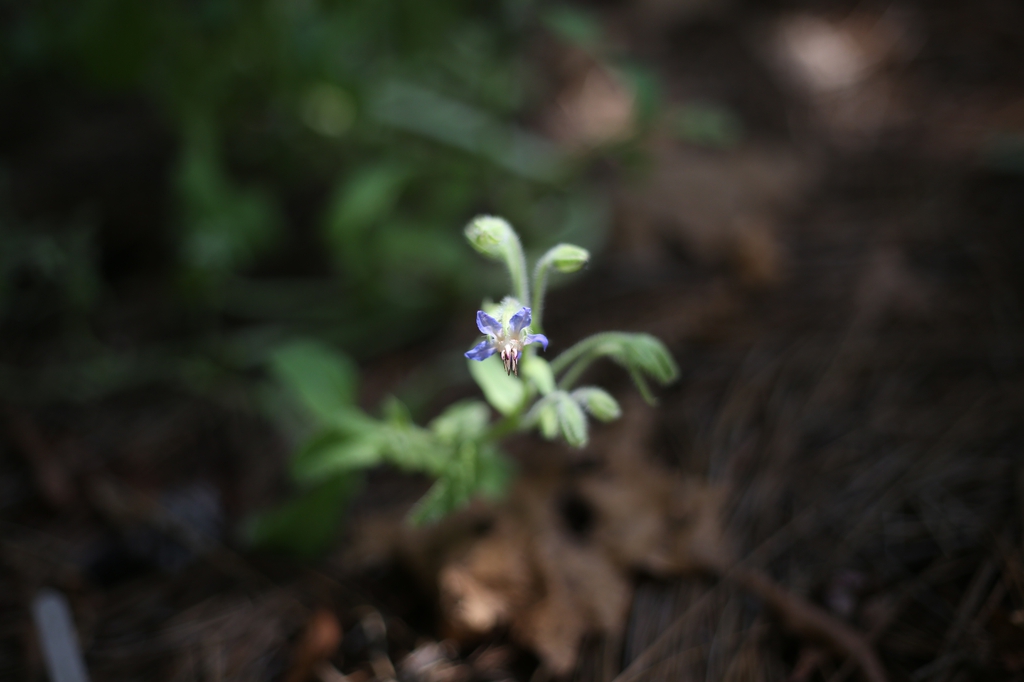
Borage, Borago officinalis, is immediately memorable for its blue, star-shaped flowers and bristly leaves. The annual has a long place in herb gardens and a traditional association with cucumber-like flavor. Its beauty is easy to appreciate, but its food history needs to be considered alongside modern safety information. [1]
Origins, History, and Identity
A Mediterranean member of the borage family, this plant has been grown for ornamental and culinary purposes. It often self-seeds, giving the impression of a perennial patch even though individual plants are annuals. Blue flowers are its most recognizable feature, but a photograph or a flower color is never a complete identification method. [1]
Historical Uses and Modern Context
Older herb books may suggest borage in drinks, salads, or teas. This profile takes a more cautious approach because borage can contain pyrrolizidine alkaloids that harm the liver. It remains worth learning about as a garden plant without turning that knowledge into a recipe. If you want a cucumber note in a drink or salad, actual cucumber is a straightforward kitchen alternative. [2]
Traditional Uses and What the Evidence Means
Research on specially prepared borage seed oil does not establish that homegrown leaves, flowers, or tea provide the same effects. Memorial Sloan Kettering distinguishes product quality and toxic alkaloid exposure, and reports mixed or unconvincing findings for some promoted uses. [2]
Avoid homemade borage medicinal preparations. Borage products need particular caution in pregnancy, breastfeeding, and liver disease. A label such as natural or organic does not establish the absence of harmful alkaloids. [2]
Growing and Harvesting
Grow in sun to light shade and well-drained soil. Start from labeled seed, leave room for the spreading annual, and remove unwanted seedlings. Decide whether to let a few flowers set seed or to keep the patch contained. [1]
Buying and Storage
Choose borage seed or plants with a clear botanical label for the garden. Keep ornamental material separate from food ingredients. If considering a commercial supplement, discuss its composition and suitability with a qualified clinician; this article does not recommend a borage supplement.
Two Ways to Explore This Botanical
These original suggestions are starting points for your own observations.
Observe a Borage Flower Patch
A garden observation project.
Materials
- A labeled borage plant
- A sunny position with room to grow
- Notebook
Method
- Grow the plant according to the nursery directions.
- Watch flowers develop and note visits by insects without handling them.
- Record when seedlings appear so you can remove unwanted plants before the patch expands.
Make a Botanical Sketch
About 20 minutes.
Materials
- A living borage plant or a clear reference photograph
- Paper and pencil
- A plant label
Method
- Sketch the outline of a flower and one leaf without tasting the plant.
- Note the star-like flower shape and visible leaf hairs.
- Add the scientific name and date. Use the drawing as a record of observation, not as a stand-alone foraging guide.
Frequently Asked Questions
Does cooking make borage a reliably safe daily green?
This profile does not recommend treating cooking as a guarantee that harmful alkaloids have been removed. Choose established food greens instead.
Is seed oil the same as eating the plant?
No. A processed oil and the plant’s leaves or flowers are different materials. Claims about one cannot simply be transferred to the other.
Explore the Herb Library
Continue exploring our Herbs & Spices Educational Guide, or browse borage in the Spirit of Wormwood store.
Have you grown this plant or encountered it in a favorite food tradition? Share your experience in the comments.
Sources and Further Reading
- NC State Extension — Borage (Borago officinalis)
- Memorial Sloan Kettering — Borage: evidence and safety
Botanical image: Bloom Close-up (Cabarrus County,NC) Hope Duckworth CC BY 4.0. Source and original credit; image license. Original photograph retained; display sizes may be resized or cropped.
Leave a Reply