
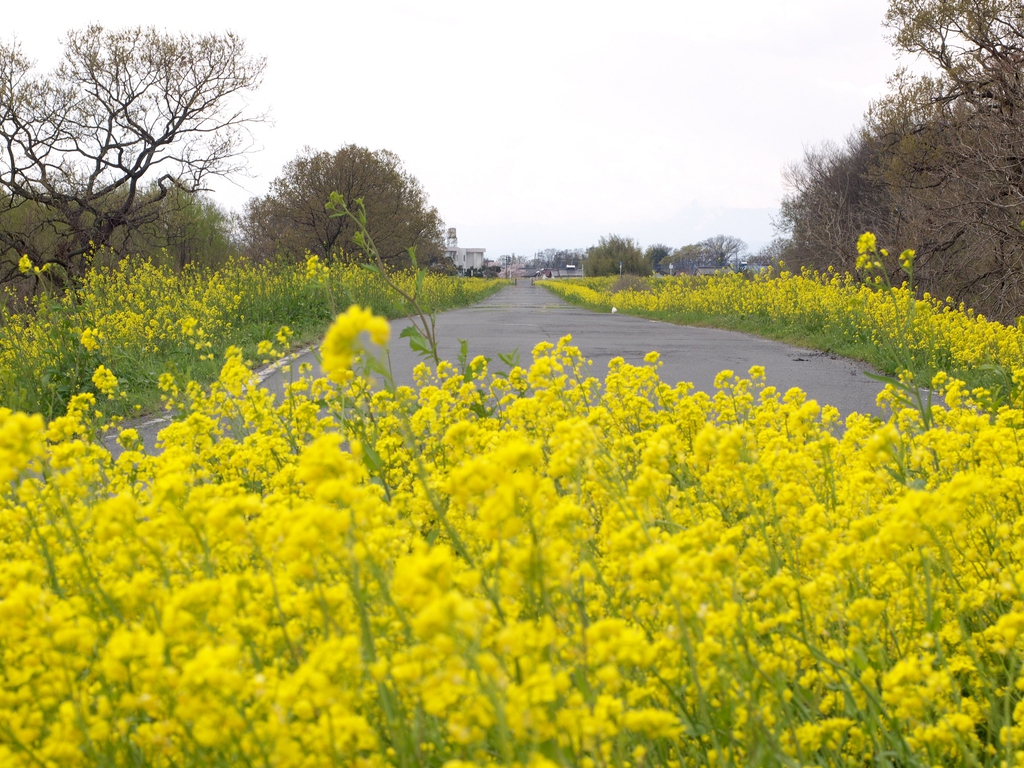
Brown mustard, Brassica juncea, offers both a spice and a leafy vegetable. The seeds contribute pungency to condiments, while selected cultivars produce tender or robustly flavored greens. It is a versatile cabbage-family annual whose identity becomes clearer when you ask which part of the plant a recipe needs. [1]
Origins, History, and Identity
This Eurasian crop has been carried into many growing regions and developed into numerous forms. A packet sold for mustard greens may emphasize leaf size, color, or tenderness; a spice packet emphasizes the seed. Brown mustard is distinct from black mustard and white mustard, although all three share a place in the wider story of mustard foods. [1]
Culinary Uses and Flavor
Use food-grade seed in a dish that benefits from a little texture, or cook properly identified mustard greens as a vegetable. Whole seeds and prepared condiments behave differently, so follow the ingredient description closely. For a gentle introduction to mustard greens, combine a small handful with milder cooked greens rather than filling the entire pot with an unfamiliar, strongly flavored variety.
Traditional Uses and What the Evidence Means
Historical claims about mustard and circulation should not be interpreted as established treatment advice. Its most dependable role in this library is as a food crop with many useful leaf and seed forms.
Mustard allergy can be serious. Keep the ingredient visible on a recipe label when serving others, and do not use seed paste as a warming skin treatment.
Growing and Harvesting
Grow as a cool-season crop in rich, moist, well-drained soil with sun or partial shade. Heat and moisture stress can make leaves stronger and encourage bolting. Prevent unwanted seeding, and do not use plants grown for soil remediation as food. [1]
Buying and Storage
Buy a quantity you can use while its aroma is still appealing. Keep the container tightly closed in a cool, dark cupboard, and use a dry spoon when measuring. Label the purchase date. A faded aroma is a good reason to replace a spice rather than keep increasing the amount in a recipe.
Two Simple Recipes to Try
These original recipe suggestions are small, approachable ways to explore the flavor. They are culinary ideas, not medicinal preparations; adjust future batches to your taste.
Brown Mustard Lentils
Serves 3–4; about 30 minutes.
Ingredients
- 1 cup red lentils, rinsed
- 3 cups water
- 1 tablespoon oil
- ¼ teaspoon brown mustard seeds
- ½ teaspoon ground cumin
- ½ teaspoon salt
- 1 tablespoon lemon juice
Method
- Simmer the lentils in the water for 15–20 minutes until soft, stirring occasionally. Add water if they become too thick.
- In a separate small pan, warm the oil over medium-low heat. Stir in the seasoning and cumin for 15–20 seconds, just until fragrant.
- Carefully stir the seasoned oil into the lentils. Add the salt and lemon juice, simmer for 2 minutes, and serve with rice or bread.
Garlicky Mustard Greens
Serves 2; 15 minutes.
Ingredients
- 4 cups washed, chopped mustard greens
- 1 tablespoon olive oil
- 1 small garlic clove, minced
- 2 tablespoons water
- 1 teaspoon lemon juice
- Salt to taste
Method
- Warm the oil over medium-low heat and stir in garlic for 20 seconds.
- Add the greens and water, cover, and cook for 3 minutes.
- Uncover and cook until tender, about 3–5 minutes more. Finish with lemon juice and salt.
Frequently Asked Questions
Can I eat the leaves of a brown mustard plant?
Named food cultivars are grown for that purpose. Use plants raised as edible crops and follow suitable harvesting guidance.
Why are my greens suddenly so strong?
Hot weather and stress can intensify flavor, and older leaves differ from tender young growth. Harvest timing matters.
Explore the Herb Library
Continue exploring our Herbs & Spices Educational Guide, or browse brown mustard in the Spirit of Wormwood store.
Have you grown this plant or encountered it in a favorite food tradition? Share your experience in the comments.
Sources and Further Reading
Botanical image: in the landscape elminium CC BY 2.0. Source and original credit; image license. Original photograph retained; display sizes may be resized or cropped.
Leave a Reply