
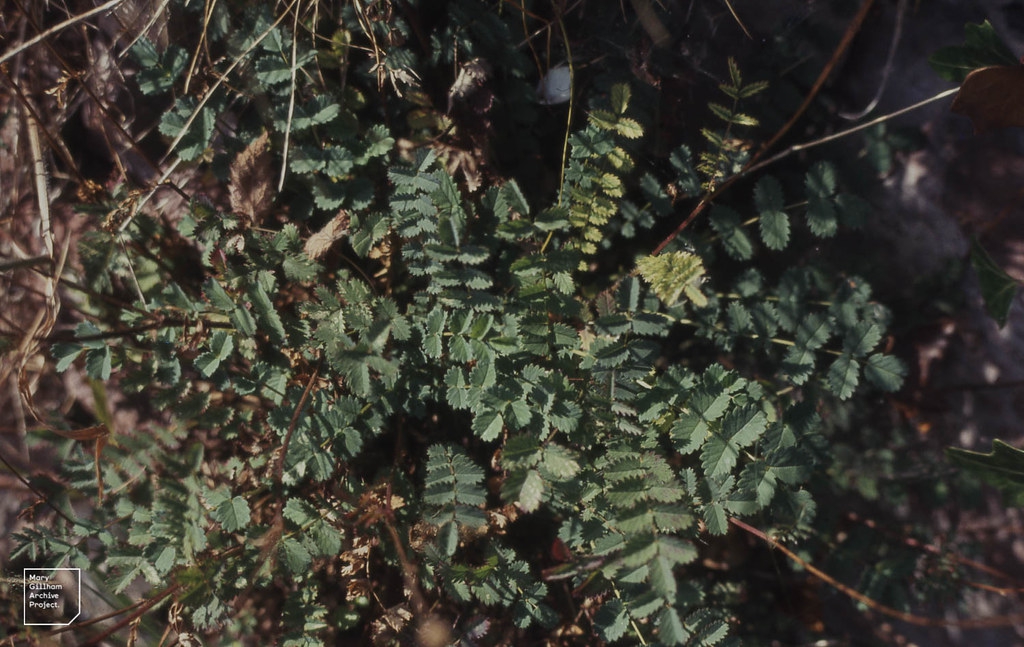
Salad burnet is a small herb with a quietly refreshing flavor. In the broad Sanguisorba entry, the kitchen plant to look for is Sanguisorba minor. Its divided leaves make an attractive edging, and tender new growth can add a cucumber-like accent without taking over a salad. [1]
Origins, History, and Identity
Salad burnet has a broad native range including Europe, northern Africa, and parts of Asia. It belongs to the rose family, a useful surprise for anyone expecting every culinary herb to be a mint. Other burnets are grown for different purposes; the genus name alone is not enough to select an edible kitchen plant. [1]
Culinary Uses and Flavor
Treat young leaves as a finishing herb. Chop them into a dip, add them to a mild salad, or scatter them over warm potatoes immediately before serving. Avoid burying their delicate contribution beneath lots of garlic or hot spice on the first attempt. Older leaves can be less pleasant, so compare a young sprig with more mature growth before deciding when to harvest.
Traditional Uses and What the Evidence Means
The name burnet appears in several herbal traditions, but those accounts may involve different species and plant parts. A salad herb and a concentrated root preparation should not be treated as one interchangeable remedy.
Use correctly labeled salad burnet grown as an edible crop. Wash leaves before using them, and avoid assuming that every ornamental Sanguisorba has the same kitchen use.
Growing and Harvesting
Plant in a sunny position with suitable garden soil. Trim to encourage fresh leaves, and remove spent flowers if you do not want self-sown seedlings. Keep the plant watered through dry spells rather than assuming every herb enjoys drought. [1]
Buying and Storage
For cooking, choose clean leaves with a lively aroma and remove damaged material. Rinse under running water and dry before chopping. Keep only a modest supply on hand so you can enjoy the flavor at its best. Label dried herbs clearly and keep them away from light, moisture, and the heat above the stove.
Two Simple Recipes to Try
These original recipe suggestions are small, approachable ways to explore the flavor. They are culinary ideas, not medicinal preparations; adjust future batches to your taste.
Salad Burnet Yogurt Dip
Makes about 1 cup; 10 minutes.
Ingredients
- 1 cup plain Greek yogurt
- 2 tablespoons chopped young salad burnet leaves
- 1 teaspoon lemon juice
- 1 teaspoon olive oil
- A small pinch of salt
Method
- Wash and dry any fresh herbs, then chop them finely. Measure the remaining ingredients into a bowl.
- Stir everything together, taste, and adjust the lemon or salt a little at a time.
- Let stand in the refrigerator for 10 minutes, then stir again before serving with vegetables, warm flatbread, or baked potatoes.
Fresh Burnet Garden Salad
Serves 2; 10 minutes.
Ingredients
- 1 large cucumber, diced
- 1 cup cherry tomatoes, halved
- 2 tablespoons chopped young salad burnet leaves
- 1 tablespoon olive oil
- 2 teaspoons lemon juice
- A small pinch of salt
Method
- Wash and dry the vegetables and any fresh herbs. Cut everything just before assembling for the crispest texture.
- Mix the oil, lemon juice, salt, and seasoning in a bowl. Add the vegetables and toss gently.
- Taste and adjust before serving. Spoon alongside beans or grilled food, or fold into a warm flatbread. Refrigerate any leftovers promptly.
Frequently Asked Questions
Which burnet should I buy for salads?
Look for salad burnet, Sanguisorba minor. A label that gives only burnet leaves the species uncertain.
Does it replace cucumber in a recipe?
It can echo the flavor, but it cannot provide cucumber’s bulk, moisture, or crunch. Use it as a herb rather than a vegetable substitute.
Explore the Herb Library
Continue exploring our Herbs & Spices Educational Guide, or browse burnet in the Spirit of Wormwood store.
Have you grown this plant or encountered it in a favorite food tradition? Share your experience in the comments.
Sources and Further Reading
Botanical image: Poterium sanguisorba plant Dr. Mary Gillham CC BY 2.0. Source and original credit; image license. Original photograph retained; display sizes may be resized or cropped.
Leave a Reply