
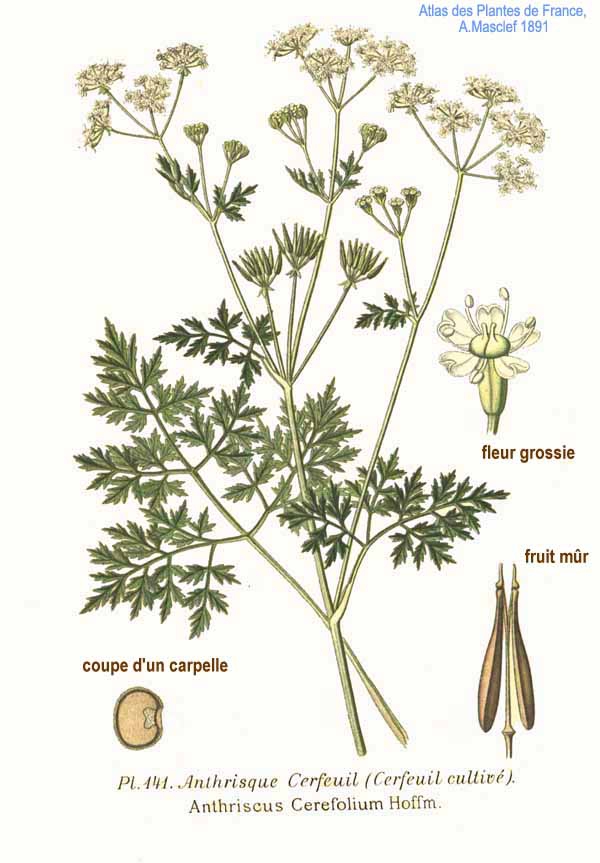
Chervil is a delicate herb for moments when a dish needs freshness without a forceful flavor. Anthriscus cerefolium has finely divided leaves and a gentle parsley-and-anise character. It is particularly useful as a finishing herb, where its fragrance can remain noticeable rather than disappearing into a long simmer. [1]
Origins, History, and Identity
Chervil’s origins lie around western Asia, the Caucasus, and neighboring regions. It has spread widely as a cultivated herb and is closely associated with delicate European cooking. Its appearance can resemble other carrot-family plants, so the kitchen connection should begin with a labeled crop, not a visual guess about a roadside plant. [1]
Culinary Uses and Flavor
Chop chervil close to serving time and add it to eggs, potatoes, a mild cream sauce, or a fresh herb butter. On a first attempt, keep the surrounding ingredients simple. A strongly garlicky sauce can hide the herb you are trying to learn. If a recipe gives a choice between parsley and chervil, expect a change in aroma rather than an exact duplicate.
Traditional Uses and What the Evidence Means
Chervil’s historical place in herb gardens is not evidence that a garnish treats digestive illness. Its practical contribution is a delicate aromatic leaf and an opportunity to broaden the flavors in familiar food.
Use cultivated, correctly identified chervil. Its family contains dangerous lookalikes; this short profile is not a foraging identification key.
Growing and Harvesting
Sow in a cool season in moist, well-drained soil with sun to partial shade. Chervil does not transplant readily, so sowing where it will grow is useful. Hot conditions shorten its leafy season; repeat small sowings for a steadier supply. [1]
Buying and Storage
For cooking, choose clean leaves with a lively aroma and remove damaged material. Rinse under running water and dry before chopping. Keep only a modest supply on hand so you can enjoy the flavor at its best. Label dried herbs clearly and keep them away from light, moisture, and the heat above the stove.
Two Simple Recipes to Try
These original recipe suggestions are small, approachable ways to explore the flavor. They are culinary ideas, not medicinal preparations; adjust future batches to your taste.
Chervil Lemon Butter
Makes 4 tablespoons; 10 minutes.
Ingredients
- 4 tablespoons softened unsalted butter
- 2 tablespoons finely chopped fresh chervil
- ½ teaspoon finely grated lemon zest
- A small pinch of salt
Method
- Mix the butter with the seasoning, lemon zest, and salt until evenly combined.
- Spoon into a small covered dish and chill until ready to serve.
- Use a little on warm bread, steamed vegetables, or freshly cooked potatoes. Refrigerate leftovers promptly; this is a fresh spread, not a room-temperature preserve.
Chervil Yogurt Sauce
Makes about 1 cup; 10 minutes.
Ingredients
- 1 cup plain Greek yogurt
- 2 tablespoons finely chopped fresh chervil
- 1 teaspoon lemon juice
- 1 teaspoon olive oil
- A small pinch of salt
Method
- Wash and dry any fresh herbs, then chop them finely. Measure the remaining ingredients into a bowl.
- Stir everything together, taste, and adjust the lemon or salt a little at a time.
- Let stand in the refrigerator for 10 minutes, then stir again before serving with vegetables, warm flatbread, or baked potatoes.
Frequently Asked Questions
Why add chervil at the end?
That keeps its delicate character easier to notice. Try it over the finished dish rather than cooking it for the entire simmer.
Can I dry it for winter?
You can, but fresh and dried herbs differ in aroma and texture. For this herb, plan dishes around a small fresh harvest when available.
Explore the Herb Library
Continue exploring our Herbs & Spices Educational Guide, or browse chervil in the Spirit of Wormwood store.
Have you grown this plant or encountered it in a favorite food tradition? Share your experience in the comments.
Sources and Further Reading
Botanical image: Anthriscus cerefolium Atlas des plantes de France 1891 CC0. Source and original credit; image license. Original photograph retained; display sizes may be resized or cropped.
Leave a Reply