
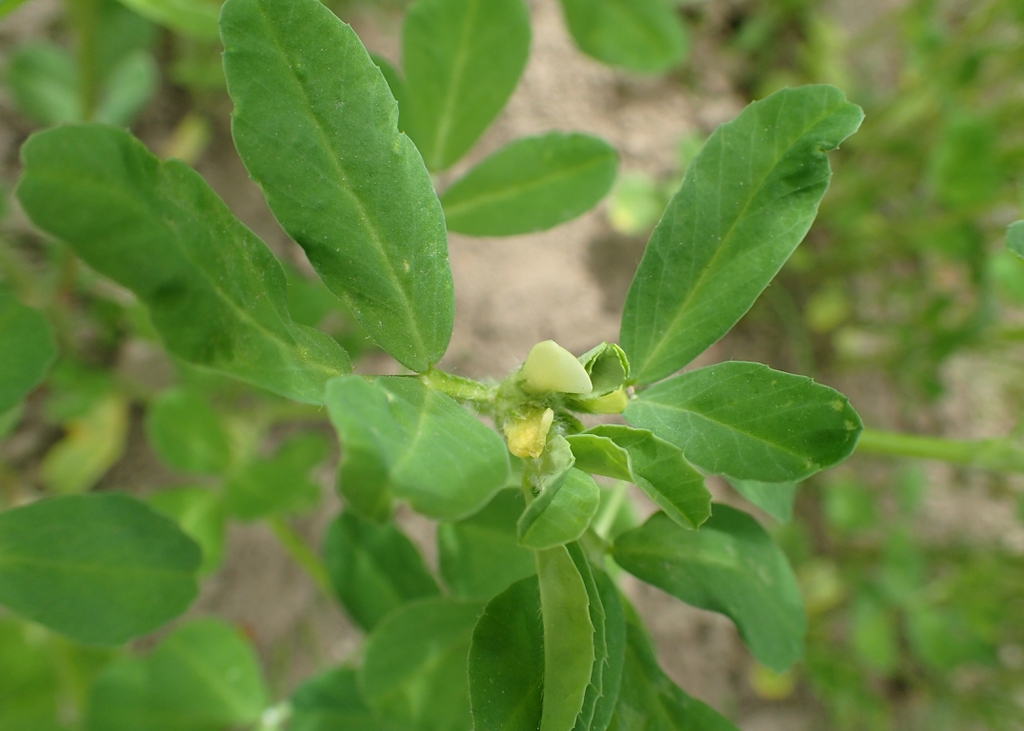
Fenugreek gives the kitchen both aromatic seeds and edible leaves. Trigonella foenum-graecum is an annual legume whose distinctive character can seem maple-like, savory, and bitter at once. It is especially rewarding in small amounts, where it can add depth without making a dish taste harsh. [1]
Origins, History, and Identity
The plant is associated with southeastern Europe and western Asia and has long been grown for food and other agricultural uses. Its botanical name includes a reference to Greek hay. Seed, fresh leaves, and dried leaves are different ingredients; a recipe calling for one will not necessarily work with the same volume of another. [1]
Culinary Uses and Flavor
Measure ground seed cautiously and give it moist ingredients to mingle with. A small pinch can season lentils or a creamy sauce. If using dried fenugreek leaves, crumble them and follow the recipe’s leaf quantity rather than a seed measure. When a dish tastes too bitter, adding more spice rarely helps; make a smaller trial next time and keep notes on the amount.
Traditional Uses and What the Evidence Means
NCCIH finds insufficient high-quality evidence for fenugreek’s proposed diabetes benefits, and findings on increasing milk supply are mixed. Culinary tradition should not be turned into a promise of metabolic or lactation support. [2]
Fenugreek can cause allergy and digestive upset; large doses can lower blood sugar. Amounts above those in food are unsafe during pregnancy, and breastfeeding safety for larger amounts is uncertain. Discuss supplement use with a clinician. [2]
Growing and Harvesting
Grow from seed in a suitable warm season with well-drained soil. A leafy harvest and a mature seed harvest have different timing. Allow pods to ripen for spice, and keep the crop dry enough at maturity to harvest clean seed. [1]
Buying and Storage
Buy a quantity you can use while its aroma is still appealing. Keep the container tightly closed in a cool, dark cupboard, and use a dry spoon when measuring. Label the purchase date. A faded aroma is a good reason to replace a spice rather than keep increasing the amount in a recipe.
Two Simple Recipes to Try
These original recipe suggestions are small, approachable ways to explore the flavor. They are culinary ideas, not medicinal preparations; adjust future batches to your taste.
Lentils with a Fenugreek Accent
Serves 3–4; about 30 minutes.
Ingredients
- 1 cup red lentils, rinsed
- 3 cups water
- 1 tablespoon oil
- A small pinch of ground fenugreek seed
- ½ teaspoon ground cumin
- ½ teaspoon salt
- 1 tablespoon lemon juice
Method
- Simmer the lentils in the water for 15–20 minutes until soft, stirring occasionally. Add water if they become too thick.
- In a separate small pan, warm the oil over medium-low heat. Stir in the seasoning and cumin for 15–20 seconds, just until fragrant.
- Carefully stir the seasoned oil into the lentils. Add the salt and lemon juice, simmer for 2 minutes, and serve with rice or bread.
Savory Fenugreek Yogurt
Makes about 1 cup; 10 minutes.
Ingredients
- 1 cup plain Greek yogurt
- A small pinch of ground fenugreek seed
- 1 teaspoon lemon juice
- 1 teaspoon olive oil
- A small pinch of salt
Method
- Wash and dry any fresh herbs, then chop them finely. Measure the remaining ingredients into a bowl.
- Stir everything together, taste, and adjust the lemon or salt a little at a time.
- Let stand in the refrigerator for 10 minutes, then stir again before serving with vegetables, warm flatbread, or baked potatoes.
Frequently Asked Questions
Are seeds and dried methi leaves interchangeable?
No. They differ in texture and intensity. Use the form named in the recipe.
Should I eat more to increase milk supply?
Do not use this culinary article as lactation advice. Evidence is mixed, and individual health and medication considerations matter.
Explore the Herb Library
Continue exploring our Herbs & Spices Educational Guide, or browse fenugreek in the Spirit of Wormwood store.
Have you grown this plant or encountered it in a favorite food tradition? Share your experience in the comments.
Sources and Further Reading
Botanical image: Flower Krzysztof Ziarnek, Kenraiz CC BY-SA 4.0. Source and original credit; image license. Original photograph retained; display sizes may be resized or cropped.
Leave a Reply