
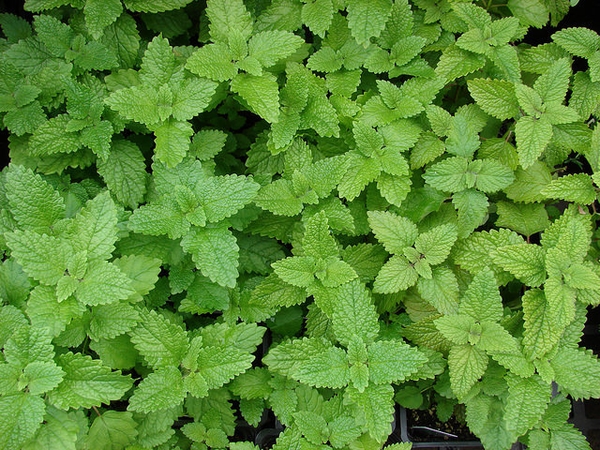
Lemon balm offers a lemon-like fragrance in a soft green leaf. Melissa officinalis is a vigorous mint-family perennial that can be easy to grow and easy to overlook until its leaves are brushed. It is useful for small culinary experiments and for a garden where fragrance is part of the pleasure. [1]
Origins, History, and Identity
The plant is native from the Mediterranean region toward central Asia. Its genus name is associated with bees, and its small flowers attract pollinators. Lemon balm belongs to a different botanical group from lemon verbena and lemongrass, despite the overlapping scent names. It can spread through both underground growth and seed. [1]
Culinary Uses and Flavor
Use tender leaves for a fresh, gentle accent in a fruit dish, dip, or syrup. Finely chop them when they will be eaten, or leave them large enough to strain after steeping. The aroma gives an impression of lemon without supplying lemon juice’s acidity. If a dish needs sharpness, add actual citrus juice separately rather than expecting the herb to do both jobs.
Traditional Uses and What the Evidence Means
Lemon balm has a history in calming and digestive preparations. This history should be separated from a claim that a homemade drink treats anxiety, insomnia, or digestive disease. Enjoy its scent without turning every cup into a treatment promise.
Use clean culinary leaves. For concentrated herbal products, check suitability with a qualified clinician rather than extrapolating from a small amount of leaf in food.
Growing and Harvesting
Grow in sun to partial shade and well-drained soil. A container can help manage vigorous growth, although seedlings may still appear nearby. Trim regularly and remove unwanted flowers or seedlings if the plant begins to escape its space. [1]
Buying and Storage
For cooking, choose clean leaves with a lively aroma and remove damaged material. Rinse under running water and dry before chopping. Keep only a modest supply on hand so you can enjoy the flavor at its best. Label dried herbs clearly and keep them away from light, moisture, and the heat above the stove.
Two Simple Recipes to Try
These original recipe suggestions are small, approachable ways to explore the flavor. They are culinary ideas, not medicinal preparations; adjust future batches to your taste.
Fresh Lemon Balm Syrup
Makes a small refrigerated batch; about 20 minutes.
Ingredients
- ½ cup water
- ½ cup sugar
- ¼ cup lightly packed fresh lemon balm leaves
- 1 strip lemon peel, with little white pith
Method
- Warm the water and sugar in a small saucepan, stirring until dissolved. Remove from the heat.
- Add the seasoning and lemon peel. Cover and steep for 10 minutes, tasting a cooled spoonful to check the strength.
- Strain thoroughly and cool. Refrigerate in a clean, covered container and use promptly; this is not a shelf-stable preserve. Try 1–2 teaspoons in sparkling water or drizzled over fruit.
Lemon Balm Yogurt Sauce
Makes about 1 cup; 10 minutes.
Ingredients
- 1 cup plain Greek yogurt
- 1 tablespoon finely chopped fresh lemon balm
- 1 teaspoon lemon juice
- 1 teaspoon olive oil
- A small pinch of salt
Method
- Wash and dry any fresh herbs, then chop them finely. Measure the remaining ingredients into a bowl.
- Stir everything together, taste, and adjust the lemon or salt a little at a time.
- Let stand in the refrigerator for 10 minutes, then stir again before serving with vegetables, warm flatbread, or baked potatoes.
Frequently Asked Questions
Can lemon balm replace lemon juice?
No. Its fragrance can echo lemon, but it does not provide the same acidity or preserve food in the same way.
Why is it appearing in other pots?
The plant can self-seed as well as spread from its roots. Remove unwanted seedlings while they are small.
Explore the Herb Library
Continue exploring our Herbs & Spices Educational Guide, or browse lemon balm in the Spirit of Wormwood store.
Have you grown this plant or encountered it in a favorite food tradition? Share your experience in the comments.
Sources and Further Reading
Botanical image: Melissa officinalis Forest and Kim Starr CC BY 2.0. Source and original credit; image license. Original photograph retained; display sizes may be resized or cropped.
Leave a Reply