
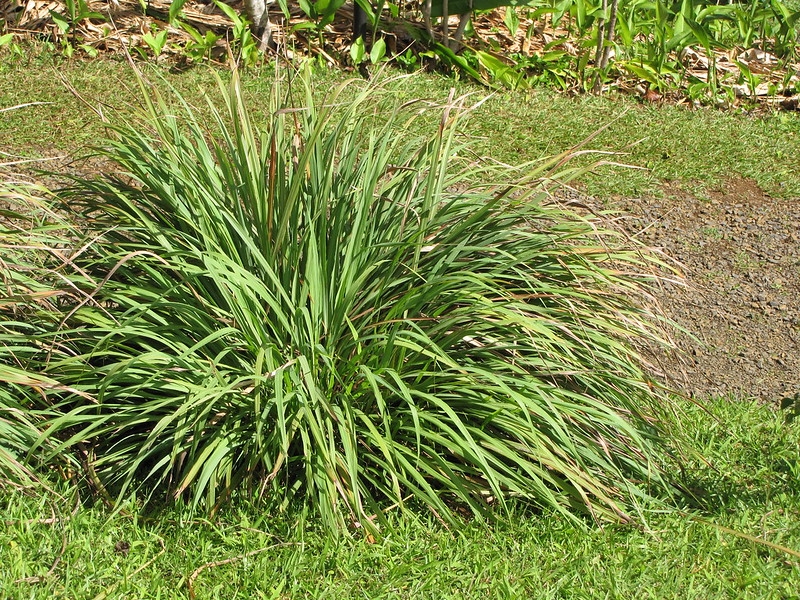
Lemongrass brings a clean citrus aroma with a fibrous texture that needs a little attention. Cymbopogon citratus is a tropical grass used in South and Southeast Asian cooking. The tender inner base and the tougher outer leaves have different kitchen roles, even when they come from the same clump. [1]
Origins, History, and Identity
The plant is associated with tropical Asian cultivation and is grown widely for its fragrance. Common names include lemongrass and lemon grass. It is not lemon balm, lemon verbena, or a citrus tree. Plants sold for aromatic oils may belong to other Cymbopogon species, so a culinary label helps identify the intended ingredient. [1]
Culinary Uses and Flavor
For a strained infusion, bruise a cleaned stalk and cut it into pieces large enough to retrieve. For a dish in which it will be eaten, use the tender inner portion and mince it very finely. Tough fibers can spoil an otherwise smooth sauce. Start with a light infusion, taste, and extend the steeping time only if the flavor needs to be stronger.
Traditional Uses and What the Evidence Means
Lemongrass has traditional herbal uses, but a citrus scent does not establish digestive or antimicrobial treatment benefits. This profile uses the stalk as a flavoring ingredient, not an essential-oil preparation.
Remove tough stalk pieces before serving an infused dish or drink. Use culinary Cymbopogon citratus and do not replace it with citronella oil or an ornamental grass of uncertain identity.
Growing and Harvesting
Grow in warmth with plenty of light and adequate moisture in well-drained soil. In a cool climate, use a container that can be protected through winter. A large clump needs space; do not let a potted plant dry out completely. [1]
Buying and Storage
Refrigerate fresh culinary stalks and use while firm and aromatic. Freeze prepared portions if needed, keeping them labeled. Store dried lemongrass away from moisture and follow its package directions; dried leaf and fresh inner stalk are not identical ingredients.
Two Simple Recipes to Try
These original recipe suggestions are small, approachable ways to explore the flavor. They are culinary ideas, not medicinal preparations; adjust future batches to your taste.
Lemongrass Citrus Syrup
Makes a small refrigerated batch; about 20 minutes.
Ingredients
- ½ cup water
- ½ cup sugar
- 1 small culinary lemongrass stalk, cleaned, bruised, and cut into large pieces
- 1 strip lemon peel, with little white pith
Method
- Warm the water and sugar in a small saucepan, stirring until dissolved. Remove from the heat.
- Add the seasoning and lemon peel. Cover and steep for 10 minutes, tasting a cooled spoonful to check the strength.
- Strain thoroughly and cool. Refrigerate in a clean, covered container and use promptly; this is not a shelf-stable preserve. Try 1–2 teaspoons in sparkling water or drizzled over fruit.
Lemongrass Broth with Rice
Serves 2; about 20 minutes.
Ingredients
- 2 cups vegetable broth
- 1 cleaned lemongrass stalk, bruised and cut into large pieces
- 1 cup cooked rice
- ½ cup thinly sliced carrots
- 1 teaspoon lime juice
Method
- Simmer the broth with the lemongrass and carrots for 10–12 minutes, until the carrots are tender.
- Remove all stalk pieces. Add the cooked rice and heat through.
- Finish with lime juice, taste, and serve warm.
Frequently Asked Questions
Can I eat the whole stalk?
The tender inner base can be finely minced, but tough outer portions are better used for infusion and then removed.
Will it replace lemon juice?
It supplies aroma rather than the same acidity. Add actual lemon or lime juice when the recipe needs tartness.
Explore the Herb Library
Continue exploring our Herbs & Spices Educational Guide, or browse lemon grass in the Spirit of Wormwood store.
Have you grown this plant or encountered it in a favorite food tradition? Share your experience in the comments.
Sources and Further Reading
Botanical image: Cymbopogon citratus. Form. Forest and Kim Starr CC BY 2.0. Source and original credit; image license. Original photograph retained; display sizes may be resized or cropped.
Leave a Reply