
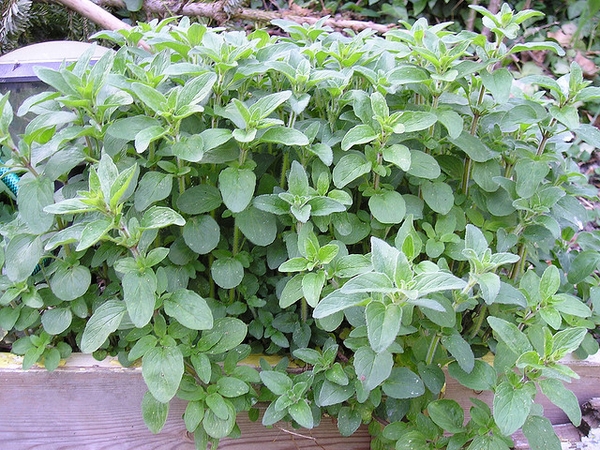
Oregano brings a sturdy herbal character to tomato dishes, beans, and roasted vegetables. Origanum vulgare is a mint-family perennial with aromatic leaves and flowers that also attract pollinators. Its flavor varies among cultivars, so the plant in one garden may not taste exactly like the dried herb in another kitchen. [1]
Origins, History, and Identity
Oregano is native across a wide area from Europe toward Asia. It has become closely associated with Mediterranean-style cooking, but the common name is used for other plants as well. Mexican oregano, for example, can refer to a different botanical source. A precise species or product label helps when comparing recipes and growing advice. [1]
Culinary Uses and Flavor
Rub dried oregano lightly between your fingers as you measure it, or chop fresh leaves just before adding them. Use a small amount in a dressing before building a strong herb mixture. Tomato and olive oil provide familiar partners, while a mild pot of beans lets you notice the herb more clearly. Remove tough stems when their texture would be distracting.
Traditional Uses and What the Evidence Means
Laboratory claims or marketing for oregano oil should not be transferred to a spoonful of dried leaf. A culinary herb is not a proven substitute for treatment of infection or another medical condition.
Use food-grade leaves in the recipes. Concentrated oregano oil can irritate tissue and is not a drop-for-spoon replacement for the herb.
Growing and Harvesting
Provide sun and well-drained soil. Avoid an overly wet position, and trim regularly to keep growth manageable. Some ornamental forms have milder flavor or different light preferences, so select a cultivar for cooking if that is the goal. [1]
Buying and Storage
For cooking, choose clean leaves with a lively aroma and remove damaged material. Rinse under running water and dry before chopping. Keep only a modest supply on hand so you can enjoy the flavor at its best. Label dried herbs clearly and keep them away from light, moisture, and the heat above the stove.
Two Simple Recipes to Try
These original recipe suggestions are small, approachable ways to explore the flavor. They are culinary ideas, not medicinal preparations; adjust future batches to your taste.
Oregano Lemon Dressing
Makes about ⅓ cup; 5 minutes.
Ingredients
- 3 tablespoons olive oil
- 1 tablespoon lemon juice or cider vinegar
- ½ teaspoon dried culinary oregano
- 1 teaspoon honey or maple syrup
- A small pinch of salt
Method
- Measure the ingredients into a clean jar with a tight lid.
- Shake until blended, then taste on a leaf of lettuce rather than straight from the jar. Adjust the acidity or salt if needed.
- Toss with a simple salad just before serving, or spoon over cooked vegetables. Refrigerate unused dressing promptly and shake again before using.
Oregano White Beans
Serves 2–3; about 15 minutes.
Ingredients
- 1 tablespoon olive oil
- 1 small carrot, finely diced
- ½ teaspoon dried culinary oregano
- 1 can (15 ounces) white beans, drained and rinsed
- ½ cup water or broth
- 1 teaspoon lemon juice
- Salt to taste
Method
- Soften the carrot in the oil over medium-low heat for about 5 minutes.
- Add the beans, water, and seasoning. Simmer gently for 6–8 minutes, stirring occasionally.
- Remove any whole spice pieces. Add lemon juice and adjust the salt. Serve on toast or alongside rice; add a splash of water for a looser consistency.
Frequently Asked Questions
Can I use the flowers?
Flowers from a correctly identified edible crop can be used as an herb, but their flavor may differ from the leaves. Start with a small amount.
Why does my oregano taste mild?
Cultivar, growing conditions, harvest timing, and storage all affect the experience. Choose a culinary plant rather than judging only by its ornamental appearance.
Explore the Herb Library
Continue exploring our Herbs & Spices Educational Guide, or browse oregano in the Spirit of Wormwood store.
Have you grown this plant or encountered it in a favorite food tradition? Share your experience in the comments.
Sources and Further Reading
Botanical image: Origanum vulgare Anna CC BY 2.0. Source and original credit; image license. Original photograph retained; display sizes may be resized or cropped.
Leave a Reply