
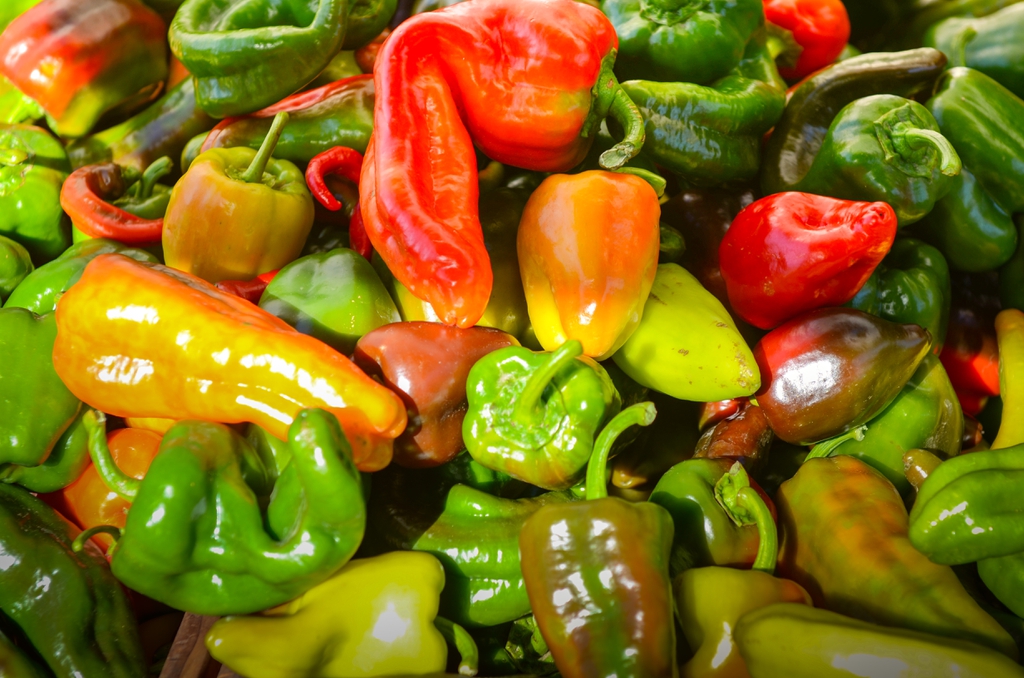
Paprika is ground dried pepper, and its name tells you less about heat than you might expect. Usually made from selected Capsicum annuum peppers, it can be sweet, hot, or smoked. The right jar can add color and a rounded pepper flavor; the wrong substitution can change the whole balance of a dish. [1]
Origins, History, and Identity
Paprika belongs to the wider story of Capsicum peppers, plants of American origin that spread into many cuisines. A finished paprika powder reflects cultivar and processing as well as geography. The broad plant reference explains the crop, but a label such as sweet or smoked describes the kitchen product more usefully than the species alone. [2] [1]
Culinary Uses and Flavor
Read the full product name. Sweet paprika can add pepper flavor with little heat, while hot paprika needs a more cautious hand. Smoked paprika adds another strong dimension and may dominate a delicate recipe. Warm ground paprika gently if blooming it in fat, then add liquid or other ingredients promptly. Burnt spice becomes bitter, and more seasoning will not undo the damage.
Traditional Uses and What the Evidence Means
Paprika can contribute flavor and color to a varied diet. That does not establish treatment for poor circulation or another health condition, and its nutritional composition should not be exaggerated for a small seasoning portion.
Check heat level before serving to people who avoid hot food. Keep ground pepper dust away from your face, and discard powder that has become damp or moldy.
Growing and Harvesting
Grow peppers suited to your climate in sun and well-drained soil after frost. If you want to make paprika, select a variety intended for drying and follow sound drying and storage guidance. A random ornamental pepper is not a guaranteed match for a familiar powder. [1]
Buying and Storage
Buy a quantity you can use while its aroma is still appealing. Keep the container tightly closed in a cool, dark cupboard, and use a dry spoon when measuring. Label the purchase date. A faded aroma is a good reason to replace a spice rather than keep increasing the amount in a recipe.
Two Simple Recipes to Try
These original recipe suggestions are small, approachable ways to explore the flavor. They are culinary ideas, not medicinal preparations; adjust future batches to your taste.
Sweet Paprika Yogurt Dip
Makes about 1 cup; 10 minutes.
Ingredients
- 1 cup plain Greek yogurt
- ½ teaspoon sweet paprika
- 1 teaspoon lemon juice
- 1 teaspoon olive oil
- A small pinch of salt
Method
- Wash and dry any fresh herbs, then chop them finely. Measure the remaining ingredients into a bowl.
- Stir everything together, taste, and adjust the lemon or salt a little at a time.
- Let stand in the refrigerator for 10 minutes, then stir again before serving with vegetables, warm flatbread, or baked potatoes.
Paprika Lemon Potatoes
Serves 3–4; about 35 minutes.
Ingredients
- 1½ pounds potatoes, cut into 1-inch pieces
- 1½ tablespoons olive oil
- 1 teaspoon sweet paprika
- ¼ teaspoon salt
- 1 tablespoon lemon juice
Method
- Place the potatoes in a saucepan, cover with water, and simmer for 12–18 minutes until easily pierced with a fork. Drain well.
- Warm the oil in a large skillet over medium heat. Add the potatoes and cook for 8–10 minutes, turning occasionally, until golden at the edges.
- Remove from the heat and toss with the seasoning, salt, and lemon juice. Serve warm.
Frequently Asked Questions
Are sweet paprika and smoked paprika interchangeable?
They create different flavors. A smoked product can also vary in heat, so read both descriptions.
Can paprika replace cayenne?
It depends on the product. Many paprikas are much milder and add more pepper flavor and color than heat.
Explore the Herb Library
Continue exploring our Herbs & Spices Educational Guide, or browse paprika in the Spirit of Wormwood store.
Have you grown this plant or encountered it in a favorite food tradition? Share your experience in the comments.
Sources and Further Reading
Botanical image: Peppers Franco Folini CC-BY-SA 2.0. Source and original credit; image license. Original photograph retained; display sizes may be resized or cropped. Representative Capsicum annuum cultivar; the spice is made from selected culinary varieties.
Leave a Reply