
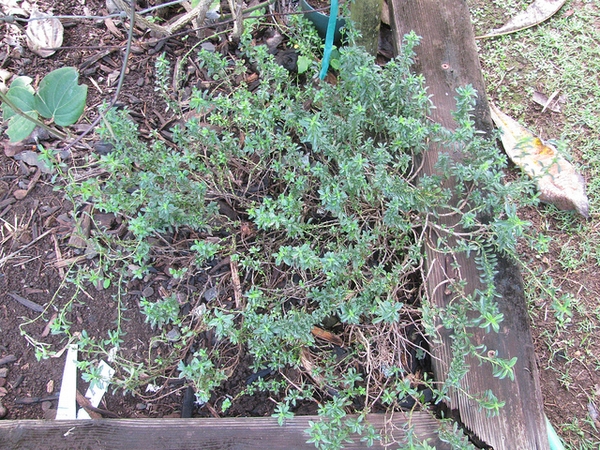
Savory is both an everyday flavor word and the name of a useful herb. In this library it refers to Satureja species, especially summer savory, Satureja hortensis. Its peppery herbal character makes it a good companion for mild beans, potatoes, and other foods that welcome a little aromatic depth. [1]
Origins, History, and Identity
Summer savory is an annual associated with southeastern Europe and western Asia. Winter savory is a perennial relative with a different growth habit and often a stronger character. A recipe may say only savory, so check which type you have before assuming that both growing instructions and amounts will transfer unchanged. [1]
Culinary Uses and Flavor
Try a small amount in a simple bean dish, where the flavor is easy to notice. Strip leaves from tough stems and chop fresh material when it will remain in the food. Dried savory can be useful in a longer simmer. If you are comparing summer and winter savory, keep the rest of the recipe identical and record the amount rather than relying on memory.
Traditional Uses and What the Evidence Means
Savory has a traditional association with digestion. A familiar pairing with beans does not demonstrate that the herb prevents every digestive symptom. This profile presents the pairing as a flavor choice.
Use a culinary Satureja product and ordinary seasoning quantities. Do not replace the leaf with essential oil, and label summer and winter savory separately if you grow both.
Growing and Harvesting
Grow summer savory from seed in sun and well-drained soil. Keep it adequately watered without leaving the roots in a damp, airless position. Harvest leafy growth during the season and start another crop the following year. [1]
Buying and Storage
For cooking, choose clean leaves with a lively aroma and remove damaged material. Rinse under running water and dry before chopping. Keep only a modest supply on hand so you can enjoy the flavor at its best. Label dried herbs clearly and keep them away from light, moisture, and the heat above the stove.
Two Simple Recipes to Try
These original recipe suggestions are small, approachable ways to explore the flavor. They are culinary ideas, not medicinal preparations; adjust future batches to your taste.
Summer Savory White Beans
Serves 2–3; about 15 minutes.
Ingredients
- 1 tablespoon olive oil
- 1 small carrot, finely diced
- 1 teaspoon chopped fresh summer savory
- 1 can (15 ounces) white beans, drained and rinsed
- ½ cup water or broth
- 1 teaspoon lemon juice
- Salt to taste
Method
- Soften the carrot in the oil over medium-low heat for about 5 minutes.
- Add the beans, water, and seasoning. Simmer gently for 6–8 minutes, stirring occasionally.
- Remove any whole spice pieces. Add lemon juice and adjust the salt. Serve on toast or alongside rice; add a splash of water for a looser consistency.
Savory Herb Butter
Makes 4 tablespoons; 10 minutes.
Ingredients
- 4 tablespoons softened unsalted butter
- 1 teaspoon finely chopped fresh summer savory
- ½ teaspoon finely grated lemon zest
- A small pinch of salt
Method
- Mix the butter with the seasoning, lemon zest, and salt until evenly combined.
- Spoon into a small covered dish and chill until ready to serve.
- Use a little on warm bread, steamed vegetables, or freshly cooked potatoes. Refrigerate leftovers promptly; this is a fresh spread, not a room-temperature preserve.
Frequently Asked Questions
Is winter savory the same plant as summer savory?
No. Summer savory is Satureja hortensis; winter savory commonly refers to Satureja montana. They are related but distinct.
Can I use it instead of pepper?
It can add a peppery impression, but not exactly the same heat or texture. Try a small amount as its own herb.
Explore the Herb Library
Continue exploring our Herbs & Spices Educational Guide, or browse savory in the Spirit of Wormwood store.
Have you grown this plant or encountered it in a favorite food tradition? Share your experience in the comments.
Sources and Further Reading
Botanical image: Satureja hortensis Forest and Kim Starr CC BY 2.0. Source and original credit; image license. Original photograph retained; display sizes may be resized or cropped.
Leave a Reply