
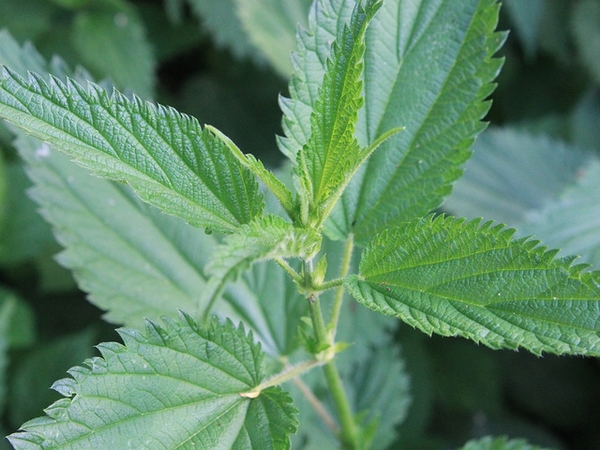
Stinging nettle is a leafy plant whose preparation matters as much as its identity. Urtica dioica bears hairs that can irritate skin when fresh, yet correctly identified young growth can be cooked as a green. Gloves, clean sourcing, and thorough cooking belong at the beginning of the story rather than as an afterthought. [1]
Origins, History, and Identity
Nettle has a wide distribution and grows readily in rich, moist places. It is a perennial capable of forming dense colonies from underground growth and seed. Its history includes food, fiber-related interest, and numerous herbal preparations. Those different uses involve different plant parts and should not be treated as one uniform ingredient. [1]
Culinary Uses and Flavor
Buy fresh nettles from a knowledgeable food supplier or use a cultivated crop whose identity is certain. Handle raw leaves with gloves and tongs. NC State advises boiling young shoots for five minutes; once cooked, they can be used as a vegetable. Chop the drained greens for a soup or spread, beginning with a small batch so you can learn their flavor and texture. [1]
Traditional Uses and What the Evidence Means
Nettle leaves and roots appear in different herbal products, including products promoted for allergies or urinary symptoms. Research or traditions involving one part cannot establish the effects of another. A cooked green is not a replacement for medical assessment.
Do not eat raw stinging leaves or add them uncooked to a smoothie. This profile is not a wild-plant identification guide. Avoid material from polluted ground or uncertain sources, and use tongs until the nettles are fully cooked.
Growing and Harvesting
Nettle favors moist, rich soil and spreads strongly. If growing it, choose a contained position away from paths and children’s play areas. Manage its expansion and consult local guidance where it is considered a problematic weed. [1]
Buying and Storage
Handle fresh nettles with gloves or tongs and keep them clearly labeled, separate from ready-to-eat salad greens. Refrigerate and prepare promptly. For dried products, follow the supplier’s preparation instructions and do not assume every nettle product contains the same plant part.
Two Simple Recipes to Try
These original recipe suggestions are small, approachable ways to explore the flavor. They are culinary ideas, not medicinal preparations; adjust future batches to your taste.
Cooked Nettle and Potato Soup
Serves 2–3; about 30 minutes.
Ingredients
- 2 cups correctly identified young nettle shoots, handled with gloves
- 2 medium potatoes, diced
- 3 cups vegetable broth
- 1 tablespoon olive oil
- Salt and black pepper to taste
Method
- Rinse the nettles using gloves and tongs. Place them in a separate pot of boiling water and boil for 5 minutes. Drain carefully and chop.
- Simmer the potatoes in the broth until tender, about 15 minutes. Add the cooked nettles and oil and simmer for 3 minutes.
- Mash some potatoes against the pan to thicken the soup. Season and serve hot.
Nettle and Cream Cheese Spread
Serves 3–4; 15 minutes after preparation.
Ingredients
- ½ cup thoroughly cooked, drained, cooled, and chopped young nettle greens
- ½ cup cream cheese
- 1 teaspoon lemon juice
- A small pinch of salt
Method
- Prepare the nettles by boiling young shoots for 5 minutes as described above; drain, cool, and squeeze out excess water before measuring.
- Mix the cooked chopped greens with the cream cheese, lemon juice, and salt.
- Serve on toast or crackers. Refrigerate promptly in a covered container and use while fresh.
Frequently Asked Questions
Does a quick rinse remove the sting?
Do not rely on rinsing. Handle with gloves and tongs and cook thoroughly; the method here follows the extension recommendation to boil young shoots for five minutes.
Can nettle root replace nettle leaf in food?
No. They are different materials with different uses. These recipes use young leaves or shoots that have been thoroughly cooked.
Explore the Herb Library
Continue exploring our Herbs & Spices Educational Guide, or browse stinging nettle in the Spirit of Wormwood store.
Have you grown this plant or encountered it in a favorite food tradition? Share your experience in the comments.
Sources and Further Reading
Botanical image: New leaves. Robert Vicol CC BY 2.0. Source and original credit; image license. Original photograph retained; display sizes may be resized or cropped.
Leave a Reply