
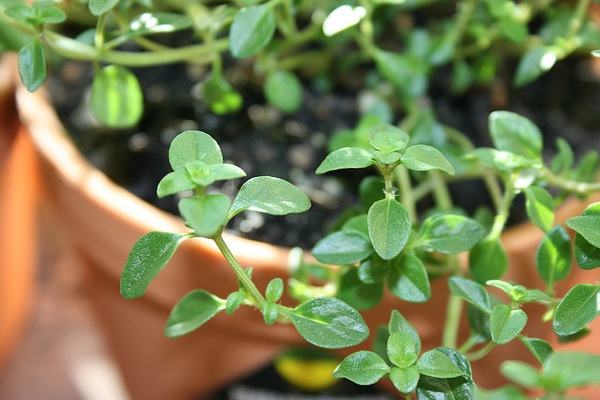
Thyme is a small-leaved herb with a substantial place in the kitchen. Thymus vulgaris is a low woody mint-family plant whose leaves can add depth to beans, vegetables, and broths. A sprig is easy to tuck into a pot, while stripped leaves distribute neatly through a sauce. [1]
Origins, History, and Identity
Common thyme comes from parts of southern Europe and has long been associated with aromatic gardens and cooking. Its many cultivars and relatives offer different fragrances and growth habits. A creeping ornamental thyme is not automatically the same kitchen ingredient as a plant selected for culinary leaves. [1]
Culinary Uses and Flavor
Use whole sprigs when you can remove the woody stems later. Strip the leaves for a dish that will be eaten without straining. Thyme can accompany a gentle simmer, but taste before adding more if the recipe also includes rosemary, sage, or a strong spice blend. For a simple comparison, season one portion of cooked beans and leave another plain.
Traditional Uses and What the Evidence Means
Thyme has traditional associations with respiratory preparations. Those uses and laboratory studies of aromatic compounds should not become a claim that a household soup treats infection. A fragrant meal and a medicinal formulation are different things.
Remove woody stems before serving and use culinary leaves rather than essential oil. A bottle of concentrated thyme oil should not be treated as a stronger version of a handful of herb.
Growing and Harvesting
Give common thyme sun and excellent drainage. It tolerates dry conditions once established but dislikes persistently wet soil. Trim lightly to maintain a compact plant and propagate a favored selection from cuttings or division. [1]
Buying and Storage
For cooking, choose clean leaves with a lively aroma and remove damaged material. Rinse under running water and dry before chopping. Keep only a modest supply on hand so you can enjoy the flavor at its best. Label dried herbs clearly and keep them away from light, moisture, and the heat above the stove.
Two Simple Recipes to Try
These original recipe suggestions are small, approachable ways to explore the flavor. They are culinary ideas, not medicinal preparations; adjust future batches to your taste.
Thyme White Beans
Serves 2–3; about 15 minutes.
Ingredients
- 1 tablespoon olive oil
- 1 small carrot, finely diced
- 1 teaspoon fresh thyme leaves
- 1 can (15 ounces) white beans, drained and rinsed
- ½ cup water or broth
- 1 teaspoon lemon juice
- Salt to taste
Method
- Soften the carrot in the oil over medium-low heat for about 5 minutes.
- Add the beans, water, and seasoning. Simmer gently for 6–8 minutes, stirring occasionally.
- Remove any whole spice pieces. Add lemon juice and adjust the salt. Serve on toast or alongside rice; add a splash of water for a looser consistency.
Thyme Lemon Butter
Makes 4 tablespoons; 10 minutes.
Ingredients
- 4 tablespoons softened unsalted butter
- 1 teaspoon fresh thyme leaves
- ½ teaspoon finely grated lemon zest
- A small pinch of salt
Method
- Mix the butter with the seasoning, lemon zest, and salt until evenly combined.
- Spoon into a small covered dish and chill until ready to serve.
- Use a little on warm bread, steamed vegetables, or freshly cooked potatoes. Refrigerate leftovers promptly; this is a fresh spread, not a room-temperature preserve.
Frequently Asked Questions
Do I need to chop thyme leaves?
Small tender leaves can often be used as they are. Remove tough stems, and chop when a smoother texture is useful.
Can I grow it in a damp corner?
Common thyme prefers good drainage. A persistently wet position is a poor match even if the plant receives enough sunlight.
Explore the Herb Library
Continue exploring our Herbs & Spices Educational Guide, or browse thyme in the Spirit of Wormwood store.
Have you grown this plant or encountered it in a favorite food tradition? Share your experience in the comments.
Sources and Further Reading
Botanical image: Leaf detail Jason Baker CC BY 2.0. Source and original credit; image license. Original photograph retained; display sizes may be resized or cropped.
Leave a Reply