
Tag: botanical library
-
Star Anise History and Uses: Illicium verum
Star anise is as recognizable by shape as by scent. The dried fruit of Illicium verum forms a woody star with a strong anise-like aroma. A single piece can perfume a small pot, so it is a spice to measure and retrieve rather than scatter freely through a finished dish. Read more
-
Sorrel History and Uses: Rumex species
Garden sorrel adds a tart note in the form of a green leaf. The guide lists Rumex species; this profile focuses on common sorrel, Rumex acetosa. It is a clump-forming perennial that can make a small contribution to a salad or sauce feel surprisingly bright. Read more
-
Sesame History and Uses: Sesamum indicum
Sesame brings more than a decorative sprinkle to food. The seeds of Sesamum indicum can provide crunch, while ground sesame and sesame oils offer quite different textures and aromas. A seed, a paste, and a finishing oil may share an origin, but they are not interchangeable spoon for spoon. Read more
-
Savory History and Uses: Satureja species
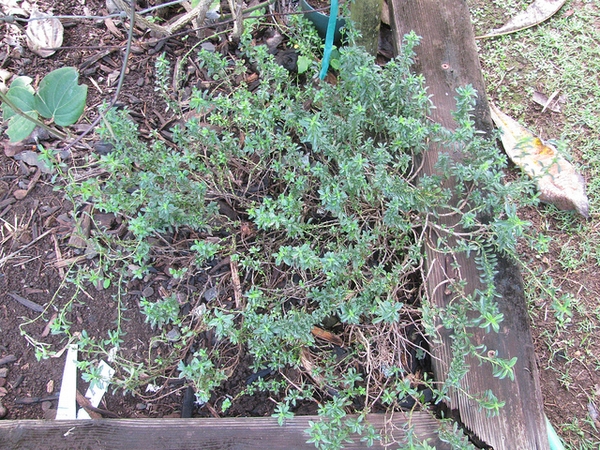
Savory is both an everyday flavor word and the name of a useful herb. In this library it refers to Satureja species, especially summer savory, Satureja hortensis. Its peppery herbal character makes it a good companion for mild beans, potatoes, and other foods that welcome a little aromatic depth. Read more
-
Sage History and Uses: Salvia officinalis
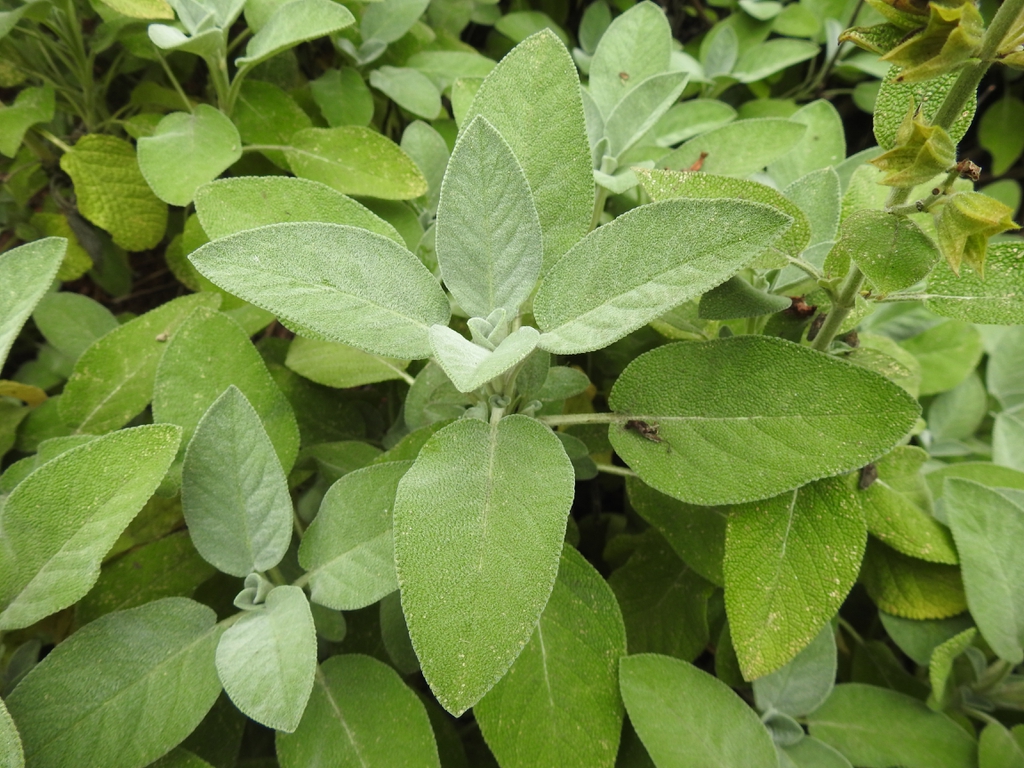
Common sage has a savory aroma that can make a simple dish feel fuller and warmer. Salvia officinalis is a small woody mint-family plant with softly textured leaves. It is especially useful when measured carefully, because its distinct character can be either a subtle background note or the dominant flavor. Read more
-
Saffron History and Uses: Crocus sativus
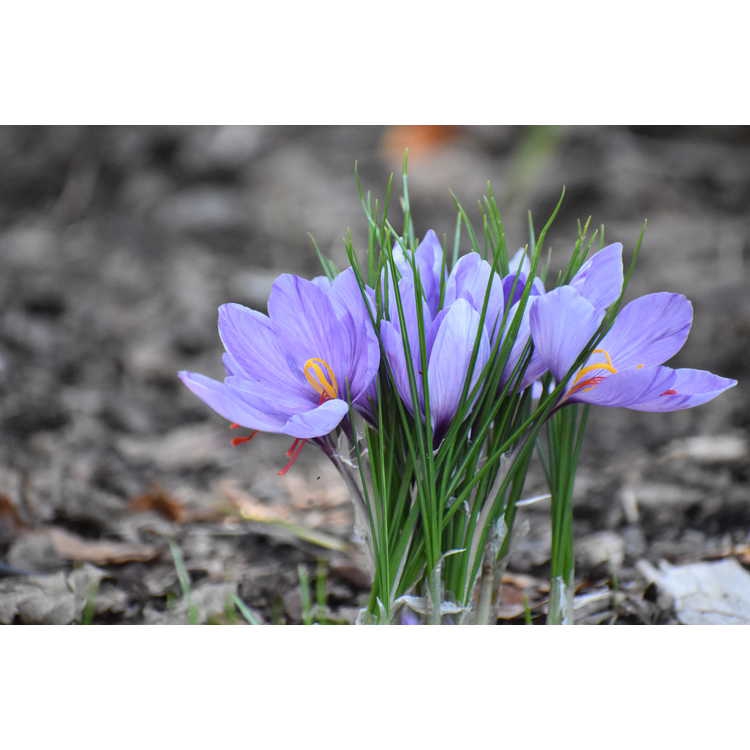
Saffron is a small ingredient with an unusually labor-intensive origin. The spice consists of the dried stigmas of Crocus sativus, collected from autumn flowers. A few threads can give rice or a warm milk dish a distinctive fragrance and golden color, making careful handling more useful than a large quantity. Read more
-
Rue History and Uses: Ruta graveolens
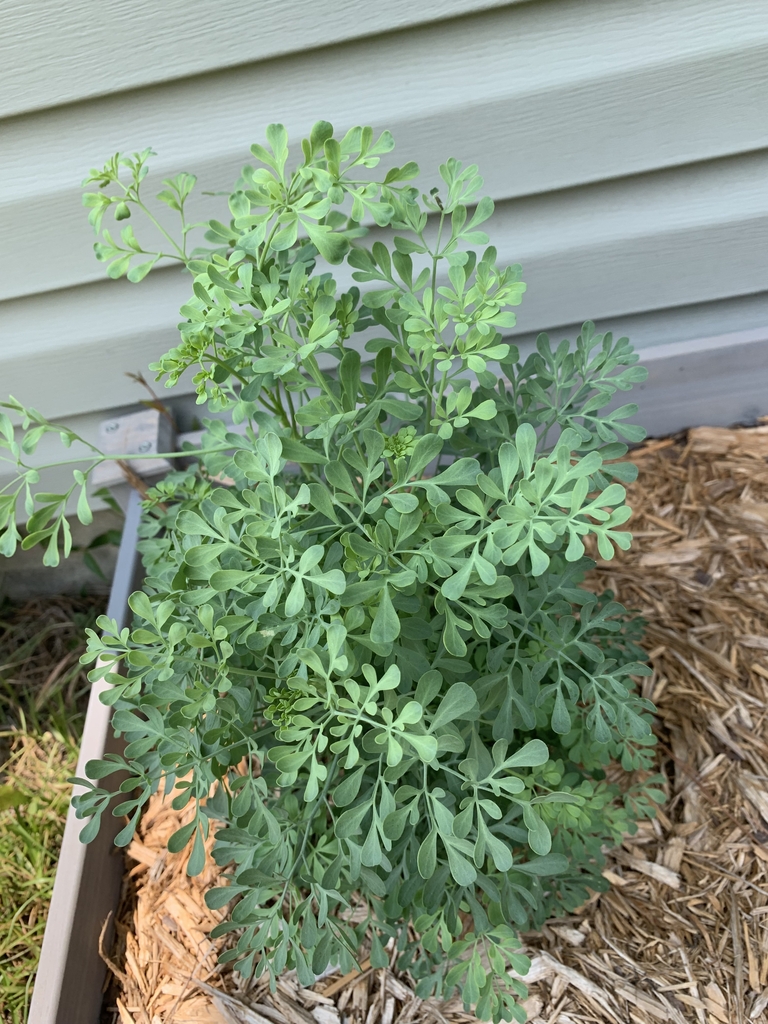
Rue is a plant to approach through history and horticulture with its hazards clearly in view. Ruta graveolens is a blue-green, aromatic subshrub in the citrus family. Its foliage and yellow flowers make it distinctive, but an attractive garden plant is not automatically an appropriate household herb to consume. Read more
-
Rosemary History and Uses: Salvia rosmarinus
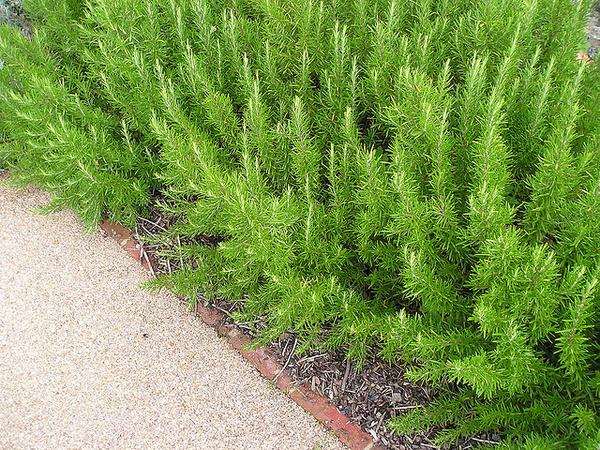
Rosemary is a woody herb with a bold, resinous fragrance. Salvia rosmarinus, long known as Rosmarinus officinalis, has narrow evergreen leaves that can give a small amount of food a pronounced aromatic character. A sprig is useful, but a little finely chopped leaf is often easier to distribute. Read more
-
Poppy Seed History and Uses: Papaver somniferum
Poppy seeds add a fine crunch and a gently nutty accent to baked foods. Culinary seeds are associated with Papaver somniferum, the opium poppy, but ordinary seed-containing foods and preparations made to extract alkaloids are very different uses. A clear distinction is essential in a responsible botanical library. Read more
-
Peppermint History and Uses: Mentha ×piperita
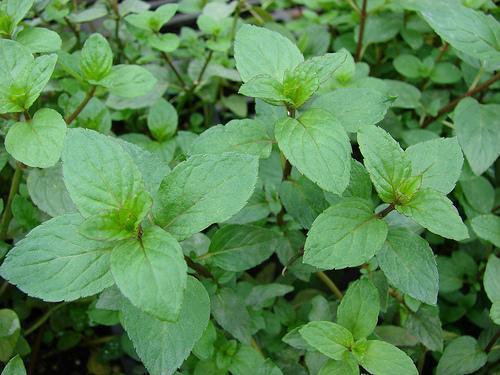
Peppermint has a distinctly cooling character that makes even a small quantity noticeable. Mentha × piperita is a hybrid mint, and its leaves appear in drinks, sweets, and other foods. It is easy to enjoy in a kitchen garden, provided its vigorous growth is given clear boundaries. Read more