
Tag: botanical library
-
Parsley History and Uses: Petroselinum crispum
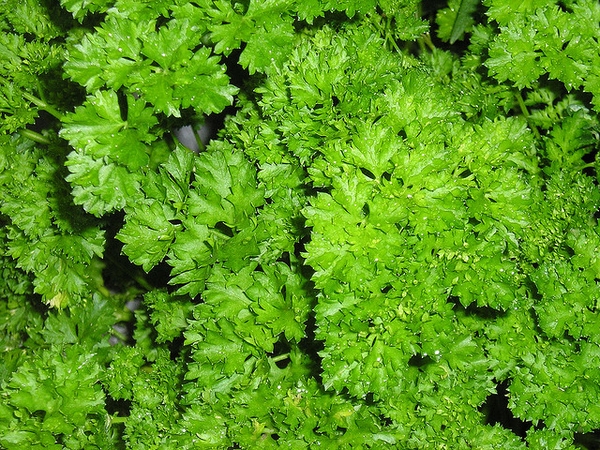
Parsley is worth treating as an ingredient rather than a decoration left on the plate. Petroselinum crispum supplies fresh green flavor in both flat-leaved and curly forms. A generous handful can turn a simple dressing or salad into something brighter without relying on strong heat or sweetness. Read more
-
Paprika History and Uses: Capsicum annuum
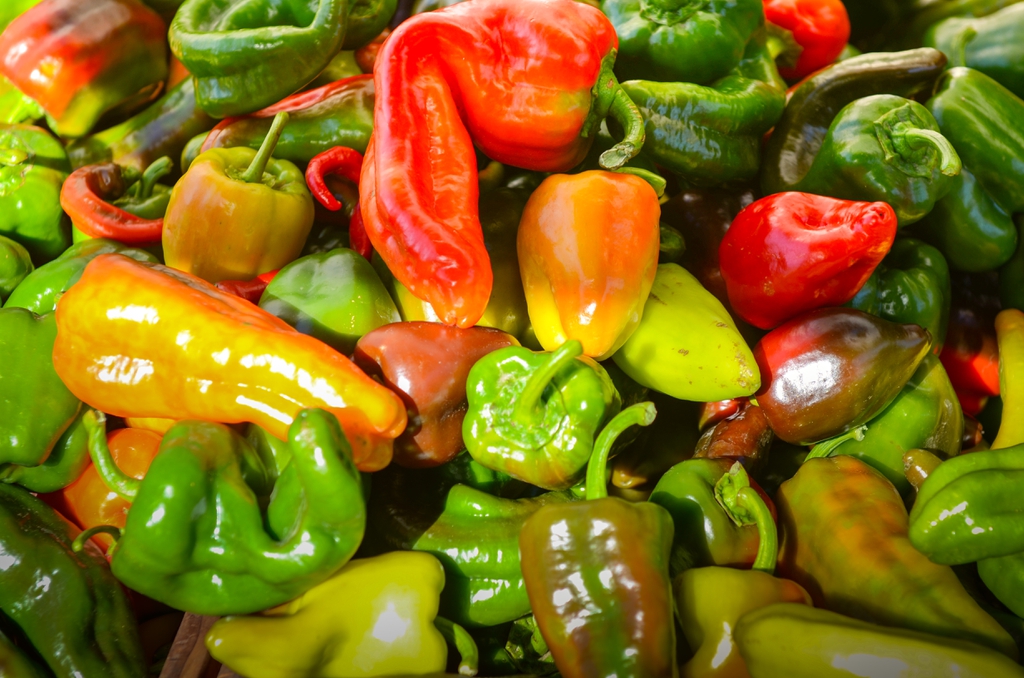
Paprika is ground dried pepper, and its name tells you less about heat than you might expect. Usually made from selected Capsicum annuum peppers, it can be sweet, hot, or smoked. The right jar can add color and a rounded pepper flavor; the wrong substitution can change the whole balance of a dish. Read more
-
Oregano History and Uses: Origanum vulgare
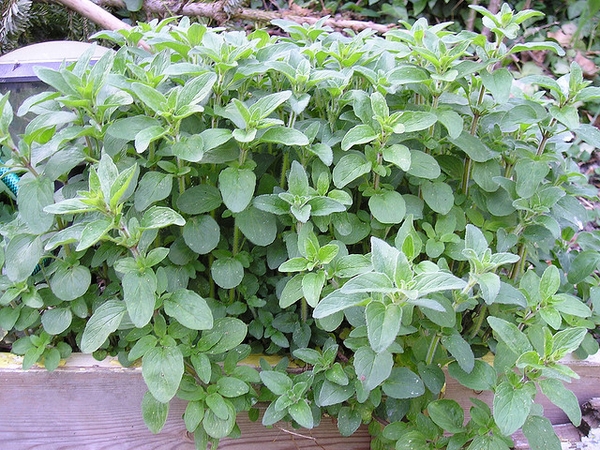
Oregano brings a sturdy herbal character to tomato dishes, beans, and roasted vegetables. Origanum vulgare is a mint-family perennial with aromatic leaves and flowers that also attract pollinators. Its flavor varies among cultivars, so the plant in one garden may not taste exactly like the dried herb in another kitchen. Read more
-
Nutmeg History and Uses: Myristica fragrans
Nutmeg is the aromatic seed spice from Myristica fragrans. A light grating can bring warmth to a creamy sauce or a bowl of oats, while too much can overwhelm the food. Keeping a whole nutmeg and grating a small amount as needed is an easy way to become more deliberate with this familiar spice. Read more
-
Marjoram History and Uses: Origanum majorana
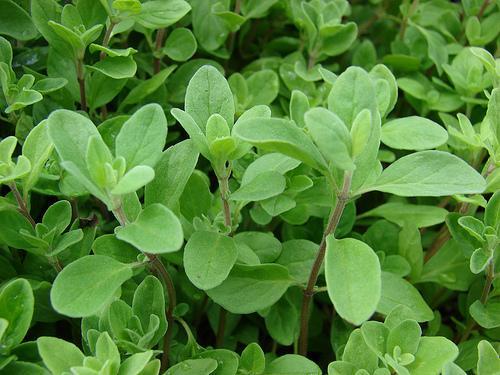
Sweet marjoram is a gentle way to add herbal warmth to a dish. Origanum majorana is related to oregano, but its softer character gives it a useful identity of its own. The small aromatic leaves work well in a simple sauce or over vegetables when a stronger herb might dominate. Read more
-
Mace History and Uses: Myristica fragrans
Mace and nutmeg are two spices from one fruit. Mace is the lacy covering, or aril, around the seed of Myristica fragrans. Once dried, it can be sold as pieces called blades or ground into powder. Its warm aroma makes a small amount useful in both sweet dishes and mild savory sauces. Read more
-
Lovage History and Uses: Levisticum officinale
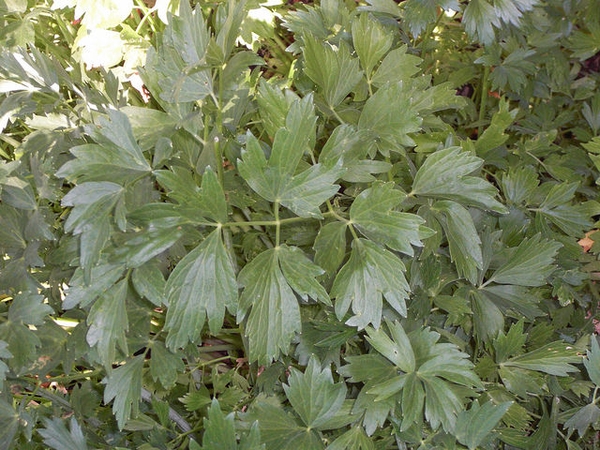
Lovage is a large herb with a strong celery-like character. Levisticum officinale belongs to the carrot family and can become a substantial perennial in the garden. A small amount of leaf can deepen a broth or a pot of beans, making it useful when a dish needs a savory green accent. Read more
-
Licorice History and Uses: Glycyrrhiza glabra
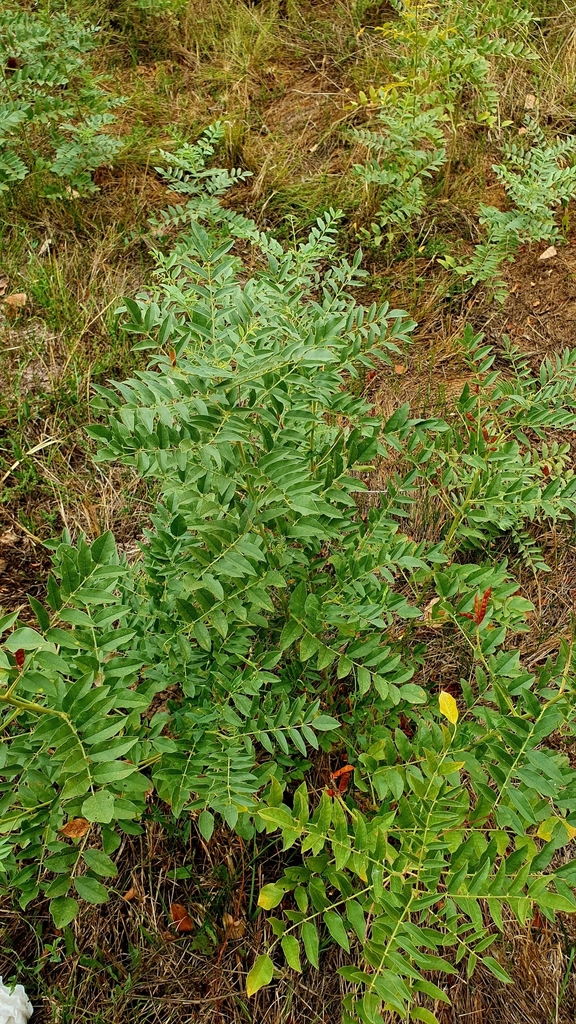
Licorice is a sweet root with a history that deserves more care than its candy associations suggest. Glycyrrhiza glabra is a perennial legume, unrelated to anise and fennel despite their similar flavor associations. True licorice root can have significant effects in the body, so identifying the actual ingredient is essential. Read more
-
Lemon Verbena History and Uses: Aloysia citrodora
Lemon verbena has a particularly clear lemon fragrance when a leaf is gently rubbed. Aloysia citrodora is a woody shrub in the verbena family, with narrow aromatic leaves. It is an appealing ingredient for a small infusion where you can capture the scent and remove the leaf before serving. Read more
-
Lemon Grass History and Uses: Cymbopogon citratus
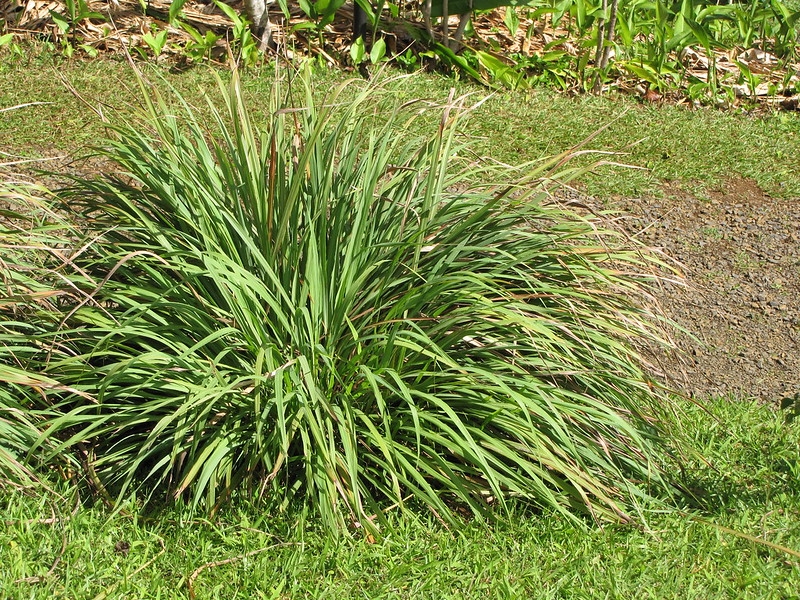
Lemongrass brings a clean citrus aroma with a fibrous texture that needs a little attention. Cymbopogon citratus is a tropical grass used in South and Southeast Asian cooking. The tender inner base and the tougher outer leaves have different kitchen roles, even when they come from the same clump. Read more