
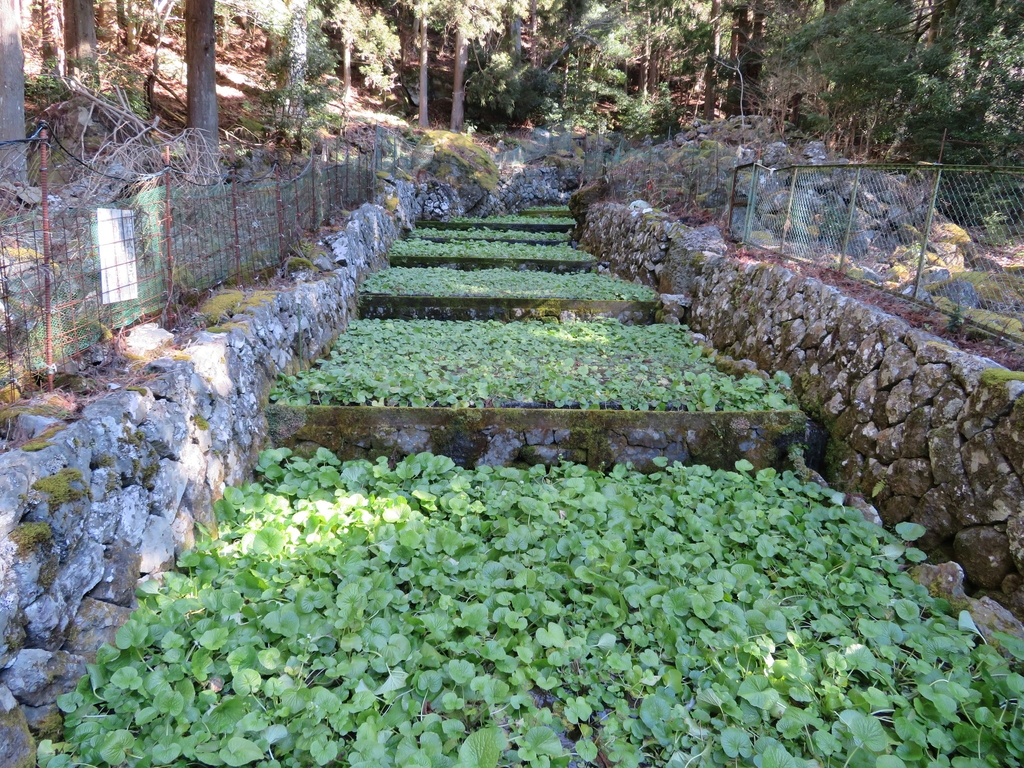
Wasabi is best known as a pungent green condiment, but the plant behind that flavor is more unusual than the paste suggests. Eutrema japonicum belongs to the cabbage family and is related to mustard and horseradish. Its grated rhizome produces a sharp aromatic heat rather than chili’s lingering burn. [1]
Origins, History, and Identity
Wasabi is native to parts of East Asia, including Japan, and is associated with cool, moist growing environments. The rhizome takes time to develop, making the crop demanding. Prepared pastes sold under the name wasabi can contain different combinations of ingredients, so the botanical story and the actual contents of a tube should be checked separately. [1]
Culinary Uses and Flavor
Read the ingredient list and taste a small amount before mixing it into a sauce. Different prepared pastes vary in strength, salt, and the proportion of wasabi. Add it gradually to yogurt, mayonnaise, or a dressing where you can control the balance. A condiment does not need to dominate the entire plate to be noticeable; a small serving alongside food lets each person decide how much to use.
Traditional Uses and What the Evidence Means
Wasabi’s pungency and laboratory interest in its compounds do not establish that a condiment prevents infection. In particular, it should not be used as a substitute for sound seafood handling or other food-safety practices.
Prepared wasabi may contain mustard or other allergens, so read the full label. Use a small amount at first, and avoid touching eyes after handling pungent material.
Growing and Harvesting
Wasabi needs cool, moist conditions and protection from harsh sun and heat. It is a challenging crop even where suitable plants are available. Follow specialist nursery guidance and avoid assuming that a warm kitchen windowsill will reproduce a cool stream-side environment. [1]
Buying and Storage
Keep fresh wasabi and prepared pastes according to their package directions, refrigerating after opening when specified. Buy an amount you can use promptly. Retain the ingredient label so that strength, species content, and allergens remain clear.
Two Simple Recipes to Try
These original recipe suggestions are small, approachable ways to explore the flavor. They are culinary ideas, not medicinal preparations; adjust future batches to your taste.
Wasabi Yogurt Sauce
Makes about ½ cup; 5 minutes.
Ingredients
- ½ cup plain Greek yogurt
- ¼ teaspoon prepared wasabi paste, then more only if wanted
- 1 teaspoon lemon juice
- A small pinch of salt, if needed
Method
- Mix the yogurt, measured paste, and lemon juice.
- Taste with the food you plan to serve, then add a little more paste only if needed.
- Adjust salt after tasting the paste’s contribution. Refrigerate promptly.
Wasabi Cucumber Dressing
Serves 2; 10 minutes.
Ingredients
- 1 cucumber, thinly sliced
- 1 tablespoon rice vinegar
- 1 teaspoon olive oil
- ¼ teaspoon prepared wasabi paste
- ½ teaspoon sugar
- A small pinch of salt
Method
- Whisk the vinegar, oil, paste, sugar, and salt until evenly combined.
- Toss with the cucumber and taste.
- Serve promptly as a fresh side dish; refrigerate leftovers.
Frequently Asked Questions
Is every green wasabi paste pure wasabi?
No. Products vary, and some include horseradish, mustard, coloring, or other ingredients. The ingredient list is the useful guide.
Can wasabi make unsafe raw fish safe?
No. A condiment does not replace appropriate sourcing, storage, and food preparation.
Explore the Herb Library
Continue exploring our Herbs & Spices Educational Guide, or browse wasabi in the Spirit of Wormwood store.
Have you grown this plant or encountered it in a favorite food tradition? Share your experience in the comments.
Sources and Further Reading
Botanical image: Eutrema japonicum Mass cultivation – February – Shizuoka – Japan Belvedere04 CC BY 4.0. Source and original credit; image license. Original photograph retained; display sizes may be resized or cropped.
Leave a Reply