
Tag: botanical library
-
Dill History and Uses: Anethum graveolens
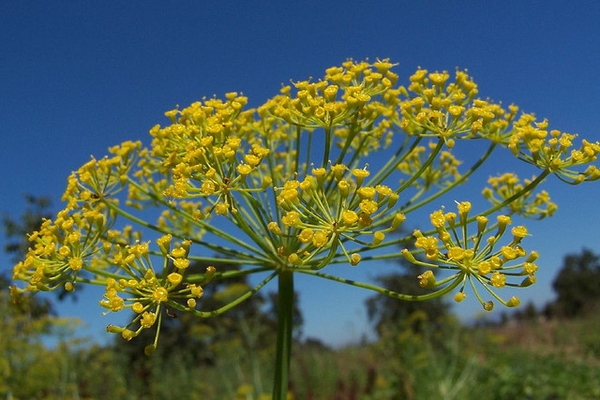
Dill offers two useful flavors from one plant: feathery fresh leaves and a more concentrated dried seed spice. Anethum graveolens is an aromatic annual in the carrot family. Its airy foliage makes a lovely finishing herb, while its flower heads and mature fruits connect it with the familiar flavors of pickles and brines. Read more
-
Curry History and Uses: Spice Blend
Curry powder is a blend, so it has no single botanical name or fixed flavor. A jar may combine coriander, cumin, turmeric, fenugreek, chili, and other ingredients in very different proportions. Learning to read that mixture is more useful than expecting every product labeled curry to behave the same way. Read more
-
Cumin History and Uses: Cuminum cyminum
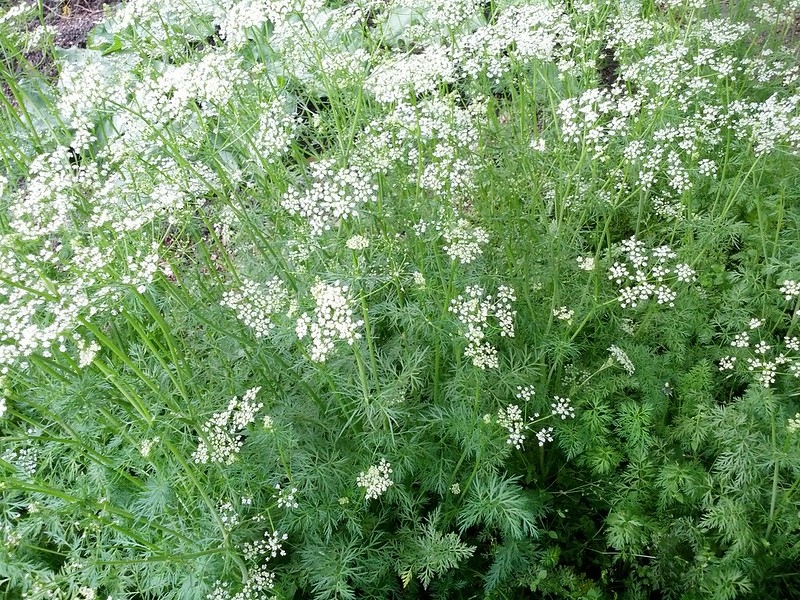
Cumin brings an earthy, warm character to a spice blend or a simple pot of beans. Cuminum cyminum is an annual in the carrot family, grown for the dried fruits usually called seeds. Whole and ground cumin give a cook different ways to control how that flavor appears in the finished dish. Read more
-
Costmary History and Uses: Tanacetum balsamita
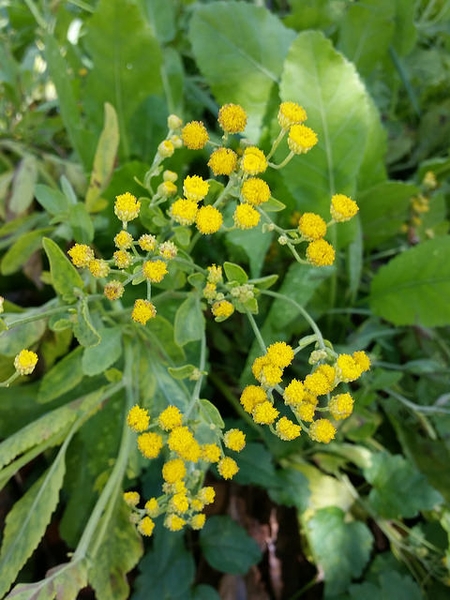
Costmary is a fragrant reminder that herb gardens once contained many plants now rarely seen in supermarkets. Tanacetum balsamita is an aromatic perennial with broad leaves and small yellow flowers. Its greatest appeal for many modern gardeners is the combination of scent, history, and a distinctive place among older household herbs. Read more
-
Coriander History and Uses: Coriandrum sativum
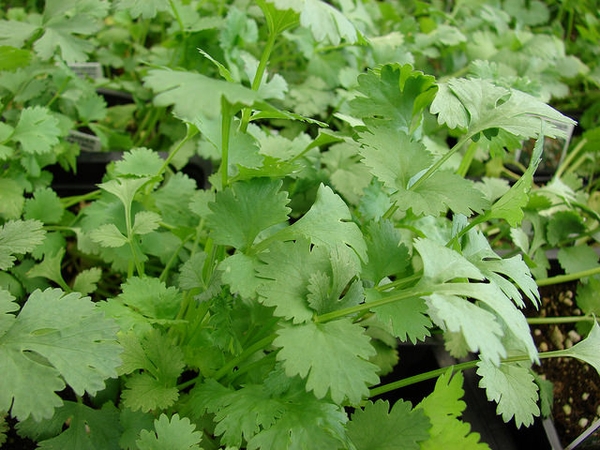
Coriander seed reveals another side of the cilantro plant. The dried fruits of Coriandrum sativum have a warm, citrus-like character that works in both savory dishes and sweet experiments. They taste different enough from the fresh leaves that disliking cilantro does not automatically mean you will dislike the spice. Read more
-
Clove History and Uses: Syzygium aromaticum
Cloves are dried flower buds, a fact that makes their little nail-like shape more interesting. Syzygium aromaticum is a tropical tree in the myrtle family. The spice is intensely aromatic, so a small amount can give warmth to fruit, rice, or a drink without needing to dominate the recipe. Read more
-
Cinnamon History and Uses: Cinnamomum verum
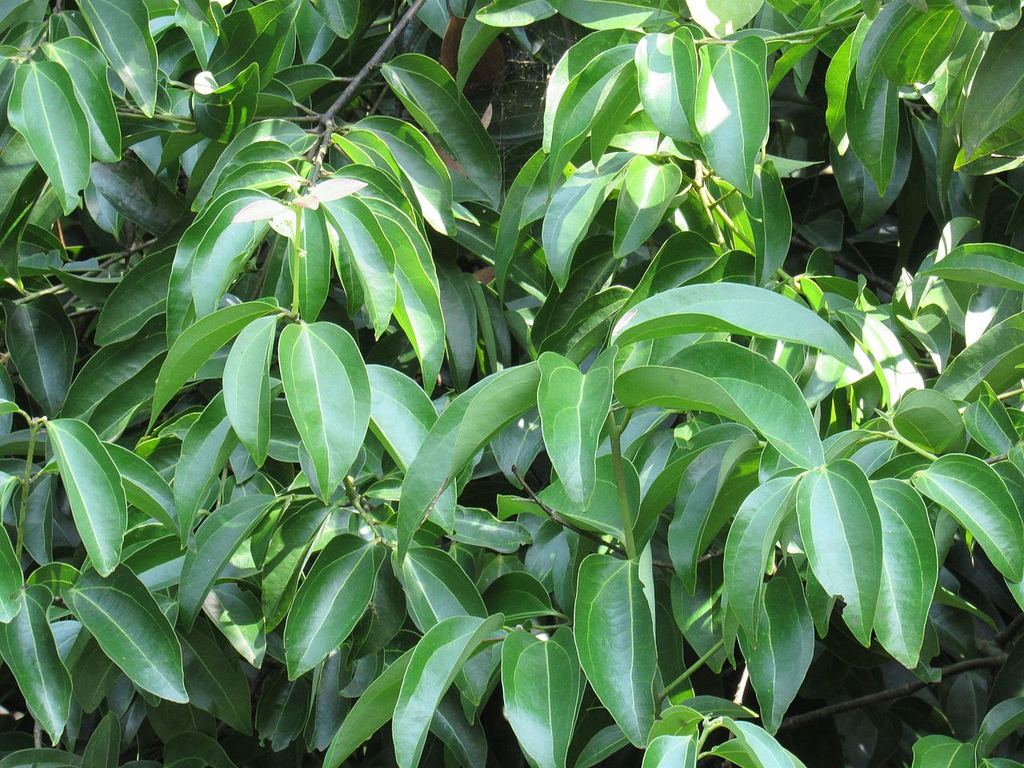
Ceylon cinnamon, Cinnamomum verum, offers a fragrant, warm bark spice with a gentler character than many cassia products. It comes from a tropical evergreen tree rather than a small herb. Choosing a clearly labeled product makes it easier to compare its flavor with the cinnamon already in your cupboard. Read more
-
Cilantro History and Uses: Coriandrum sativum
Cilantro is the fresh, leafy side of Coriandrum sativum. Its bright character can lift a salsa, grain bowl, or soup just before serving. The same plant also supplies coriander seed, but the leaf and dried fruit make such different contributions that they deserve separate places in the kitchen library. Read more
-
Cicely History and Uses: Myrrhis odorata
Sweet cicely combines feathery foliage with a clear anise-like scent. The plant in this profile is Myrrhis odorata, a perennial culinary herb in the carrot family. Its soft appearance suits a sheltered garden, while a small amount of young leaf can introduce a gentle aromatic note to fruit or a creamy sauce. Read more
-
Chives History and Uses: Allium schoenoprasum
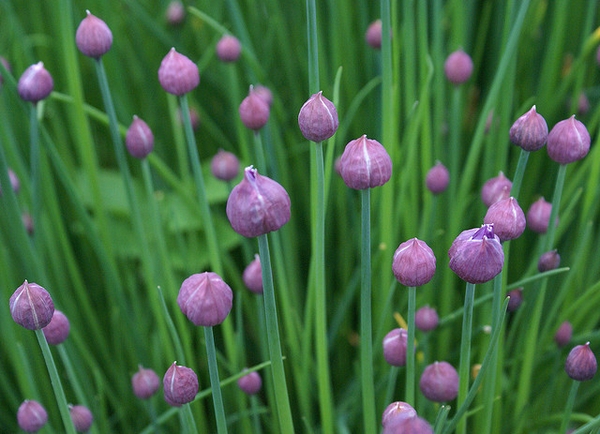
Chives bring a mild onion note in a form that is easy to snip straight into food. Allium schoenoprasum is a clumping perennial with narrow leaves and rounded purple flower heads. It earns its space in a small garden through both its edible harvest and its attractive flowering display. Read more