
Tag: botanical library
-
Brown Mustard History and Uses: Brassica juncea
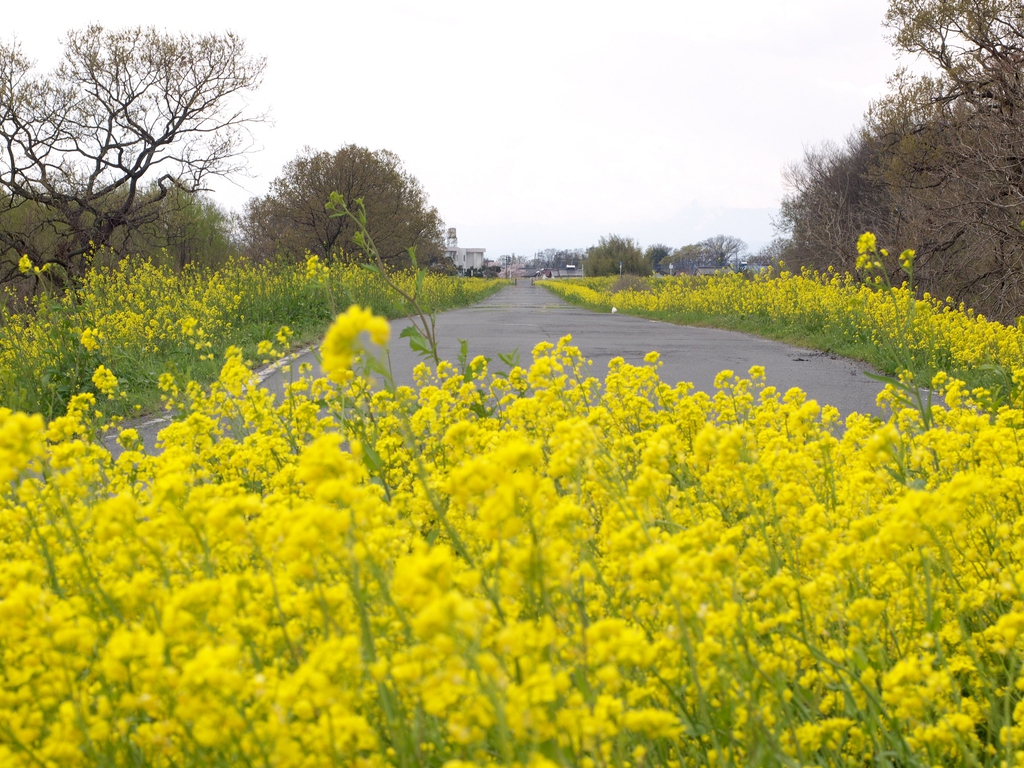
Brown mustard, Brassica juncea, offers both a spice and a leafy vegetable. The seeds contribute pungency to condiments, while selected cultivars produce tender or robustly flavored greens. It is a versatile cabbage-family annual whose identity becomes clearer when you ask which part of the plant a recipe needs. Read more
-
Borage History and Uses: Borago officinalis
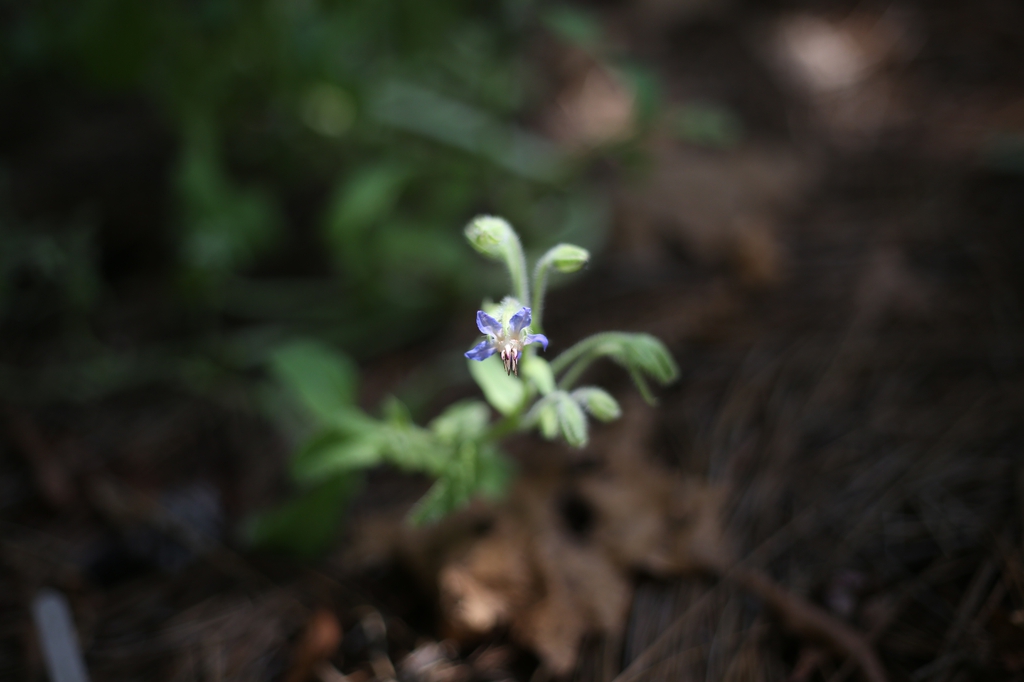
Borage, Borago officinalis, is immediately memorable for its blue, star-shaped flowers and bristly leaves. The annual has a long place in herb gardens and a traditional association with cucumber-like flavor. Its beauty is easy to appreciate, but its food history needs to be considered alongside modern safety information. Read more
-
Black Pepper History and Uses: Piper nigrum
Black pepper is familiar enough to disappear into the background, but freshly crushed peppercorns have a complex aroma as well as heat. The spice is the fruit of Piper nigrum, a tropical climbing plant. Black, green, and white peppercorns can come from this same species, with different harvesting and processing methods. Read more
-
Black Mustard History and Uses: Brassica nigra
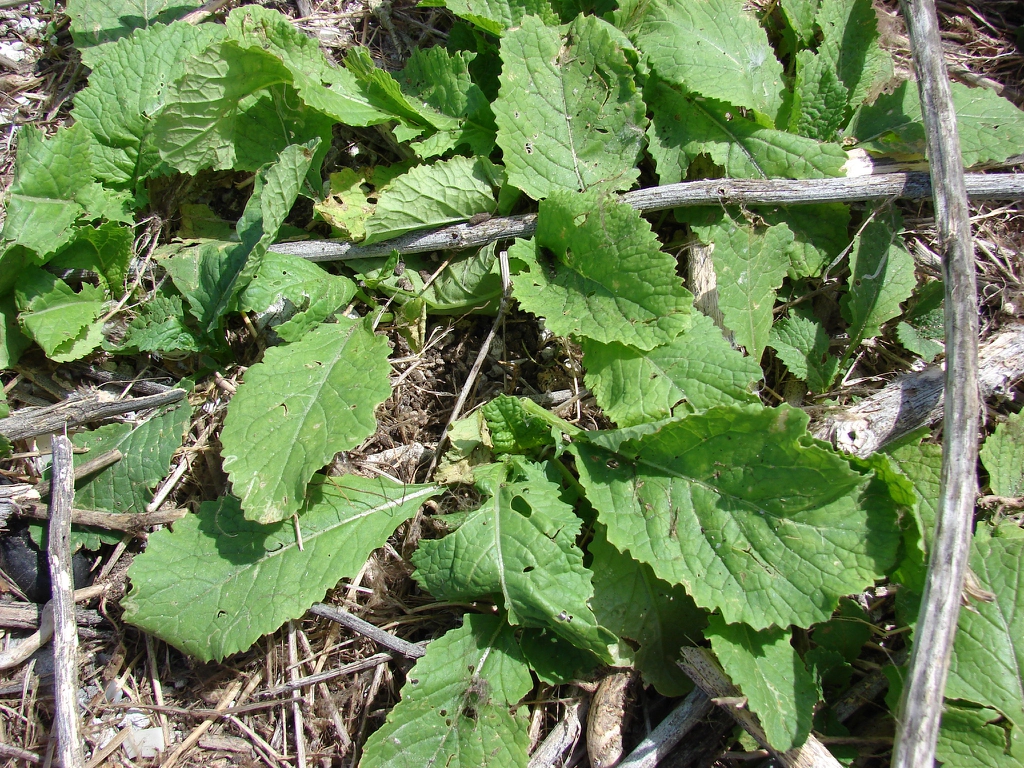
Black mustard, Brassica nigra, is a small seed with a forceful flavor. It belongs to the cabbage family, and its seeds can season food whole or become part of a pungent mustard preparation. Understanding the difference between whole, cooked seeds and freshly ground mustard helps you choose the effect you want. Read more
-
Black Cumin History and Uses: Nigella sativa
Black cumin is a name that rewards a second look at the label. Here it means Nigella sativa, also sold as nigella or kalonji. Its angular dark seeds add a savory, peppery accent to bread and vegetables. They are different from ordinary cumin, black sesame, and the ornamental seeds of other Nigella species. Read more
-
Bergamot History and Uses: Monarda species
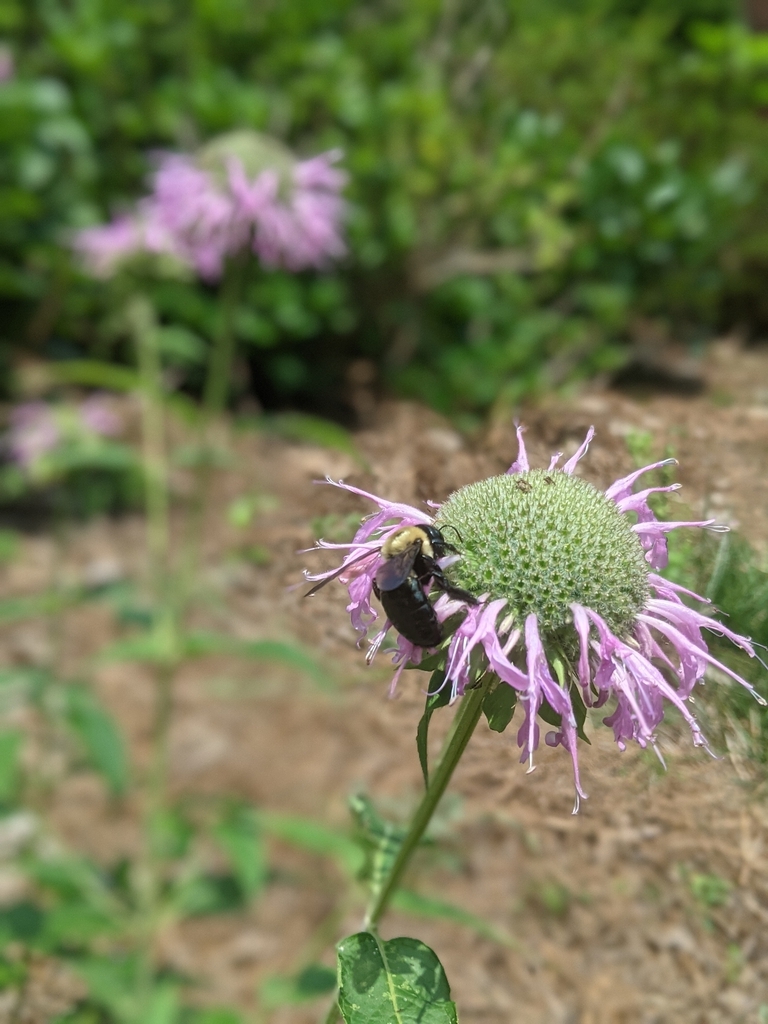
Bergamot in this library means Monarda, a group of aromatic mint-family plants also associated with the name bee balm. Wild bergamot, Monarda fistulosa, brings lavender-colored flowers and a lively herbal scent to the garden. It is different from the citrus fruit whose peel oil flavors Earl Grey tea. Read more
-
Basil History and Uses: Ocimum basilicum
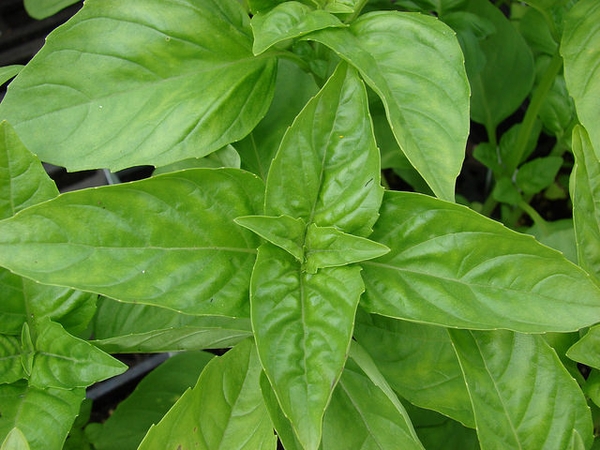
Basil can turn ripe tomatoes and a little olive oil into a meal worth lingering over. Ocimum basilicum belongs to the mint family and includes many culinary cultivars, from broad-leaved Genovese types to Thai basil. Their aromas differ, so choosing a basil is part of choosing the flavor of the dish. Read more
-
Bay Leaf History and Uses: Laurus nobilis
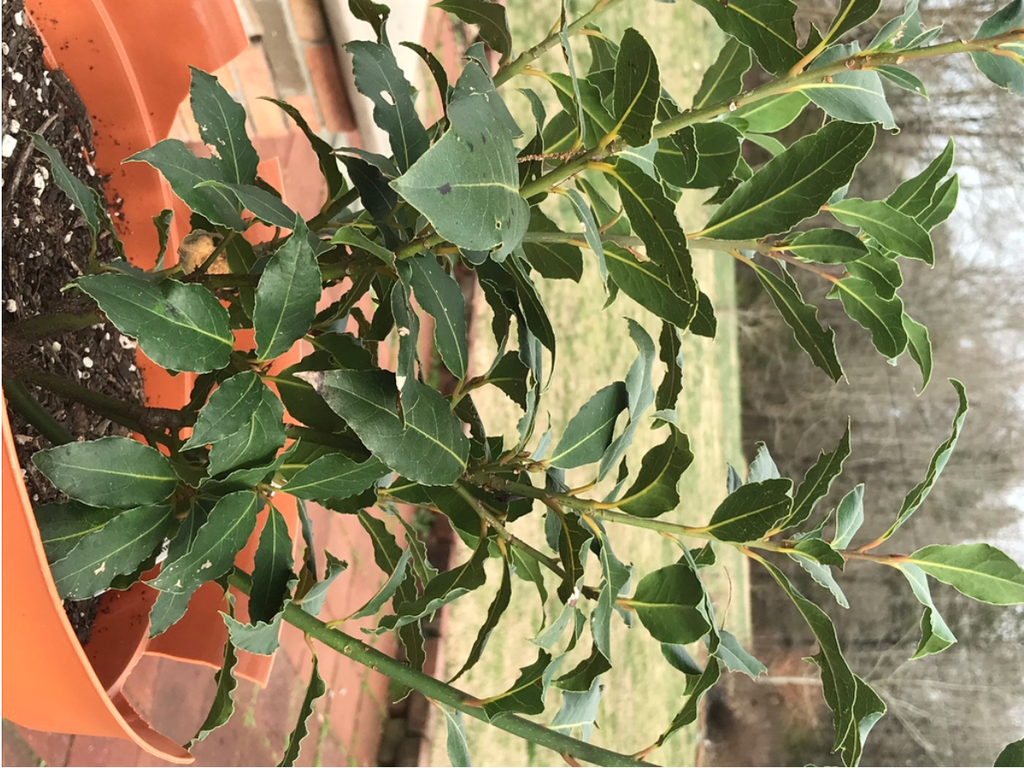
Bay leaf gives a simmering pot a quiet aromatic depth. Culinary bay, Laurus nobilis, is an evergreen Mediterranean tree or shrub whose firm leaves are generally used for infusion. It is a useful reminder that a seasoning can shape a dish without being one of the ingredients you actually eat. Read more
-
Asafoetida History and Uses: Ferula assa-foetida
Asafoetida is a spice best understood after it meets warm oil. Its raw aroma can be startling, yet a tiny amount adds a rounded, onion-like savoriness to lentils and vegetables. Also called hing, it is an oleo-gum-resin obtained from certain Ferula plants, rather than a dried leaf or a ground seed. Read more
-
Anise History and Uses: Pimpinella anisum
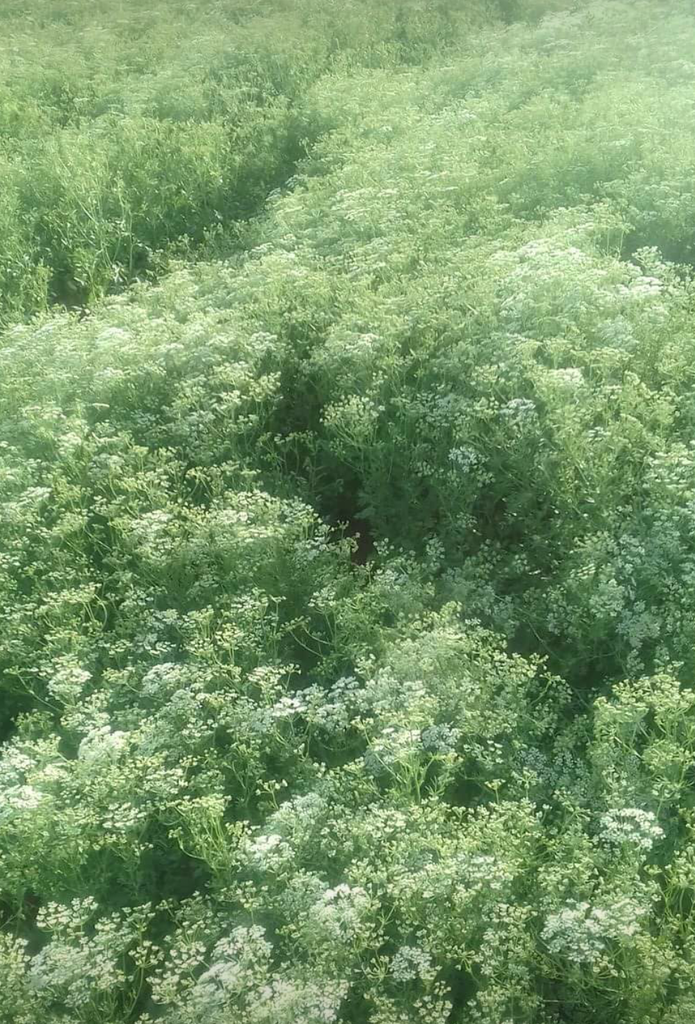
Anise is the small spice with a big licorice-like personality. The aromatic fruits of Pimpinella anisum, usually called seeds, can make a simple bowl of fruit taste like a special dessert. This annual belongs to the carrot family and offers a very different plant story from star anise, despite their similar flavors. Read more