
Our Educational Guides
-
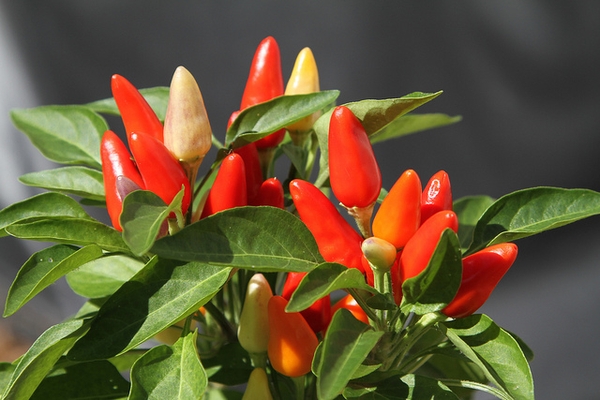
Chili Pepper History and Uses: Capsicum species
Chili peppers make up a remarkably varied ingredient family. The genus Capsicum includes sweet and hot forms, fresh vegetables and dried spices, tiny fruits and large fleshy peppers. Choosing a chili means choosing flavor, texture, and heat together—not simply deciding how hot dinner should be.
-
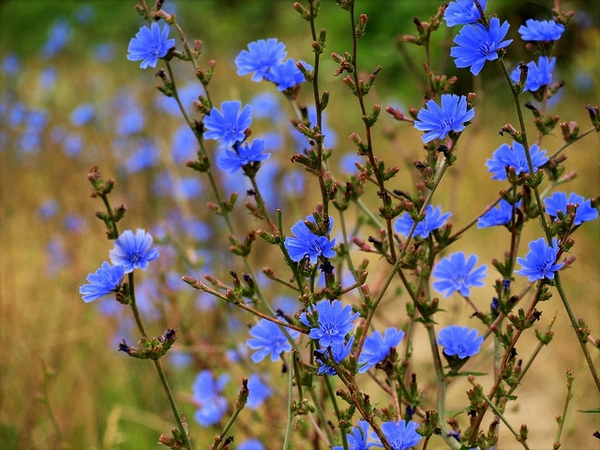
Chicory History and Uses: Cichorium intybus
Chicory has more than one kitchen identity. Cichorium intybus can supply bitter salad leaves or a root processed into a roasted beverage ingredient. Its blue flowers may be familiar from roadsides, but the cultivated food forms and a plant growing beside traffic should not be treated as equivalent ingredient sources.
-
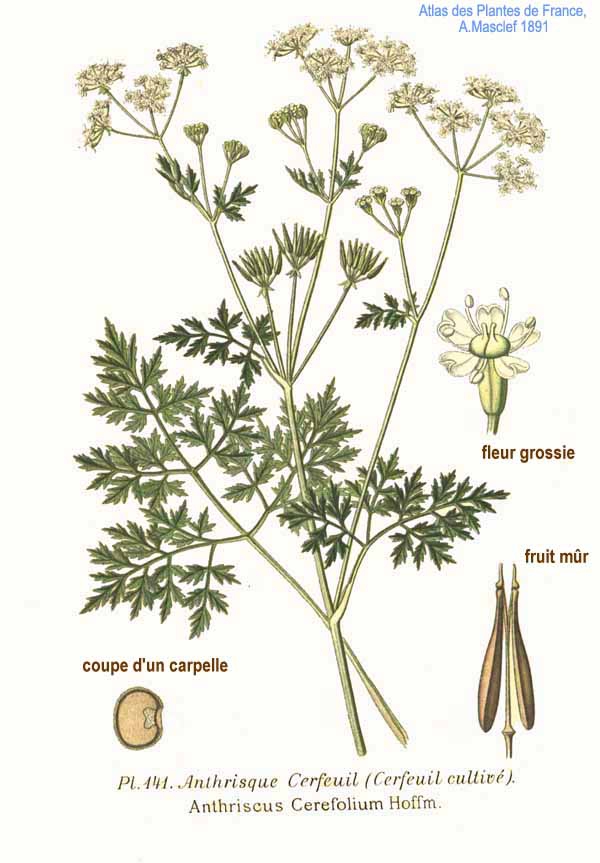
Chervil History and Uses: Anthriscus cerefolium
Chervil is a delicate herb for moments when a dish needs freshness without a forceful flavor. Anthriscus cerefolium has finely divided leaves and a gentle parsley-and-anise character. It is particularly useful as a finishing herb, where its fragrance can remain noticeable rather than disappearing into a long simmer.
-
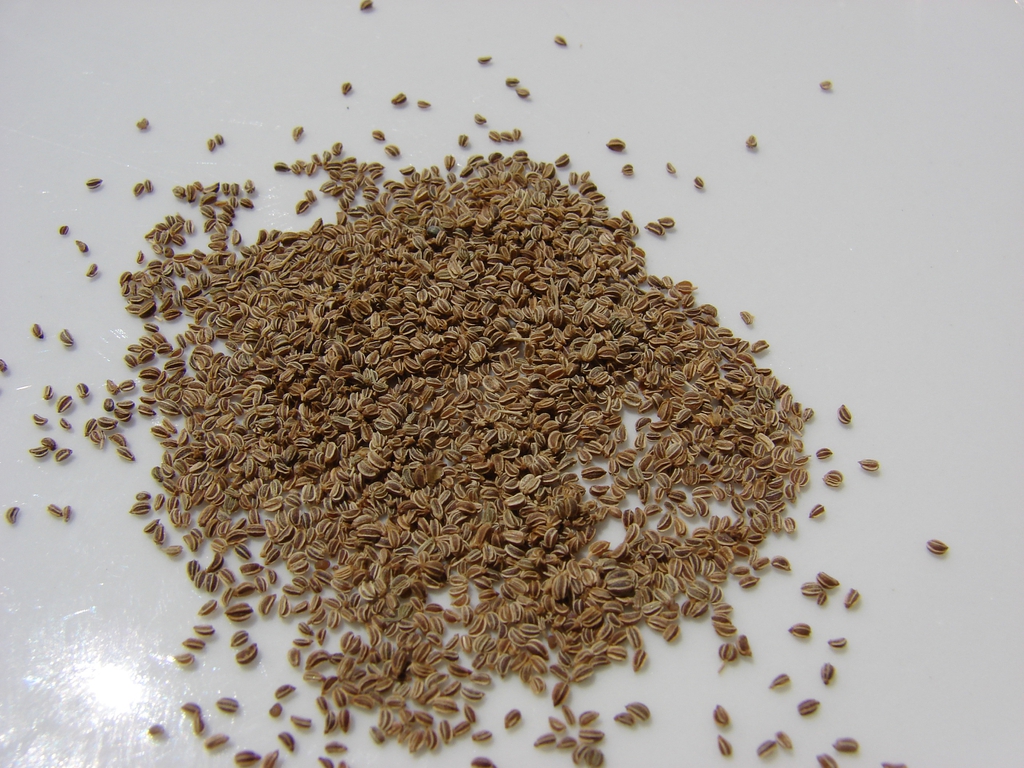
Celery Seed History and Uses: Apium graveolens
Celery seed packs a recognizable celery aroma into very small fruits. The spice comes from Apium graveolens, often associated with the smallage or wild-celery forms of the species. A few seeds can give a dressing, soup, or vegetable dish a savory accent without the watery crunch of a celery stalk.
-
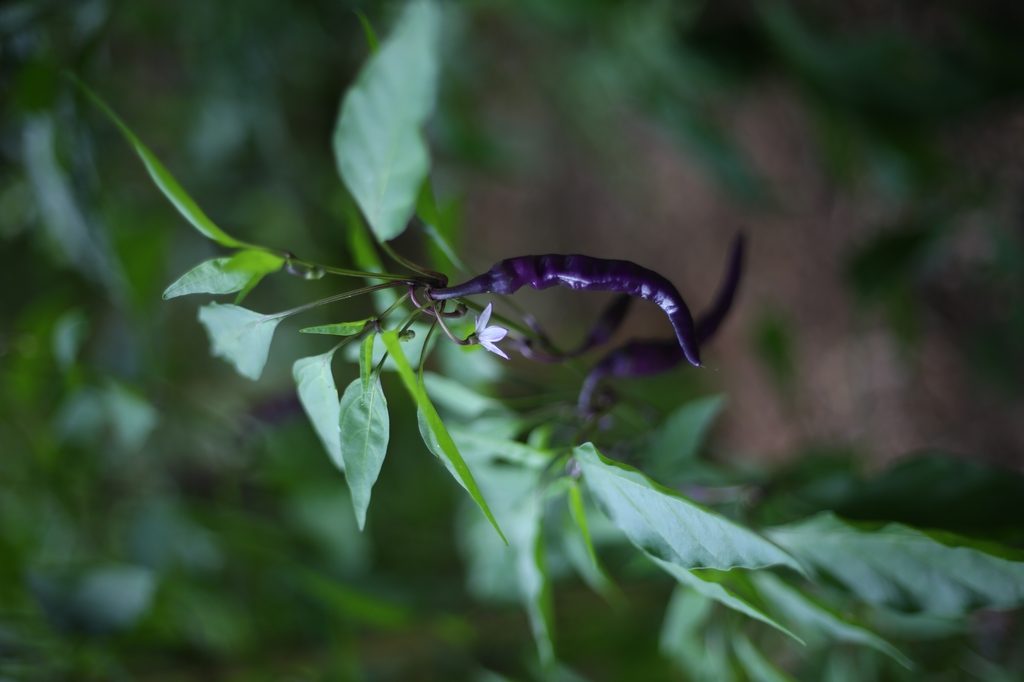
Cayenne Pepper History and Uses: Capsicum annuum
Cayenne pepper offers a direct way to add heat without adding much bulk. It is usually a ground red chili seasoning associated with cayenne-type Capsicum annuum peppers. A tiny pinch can sharpen a creamy dip or warm a pot of beans, so careful measuring is more useful than a dramatic shake of the jar.
-
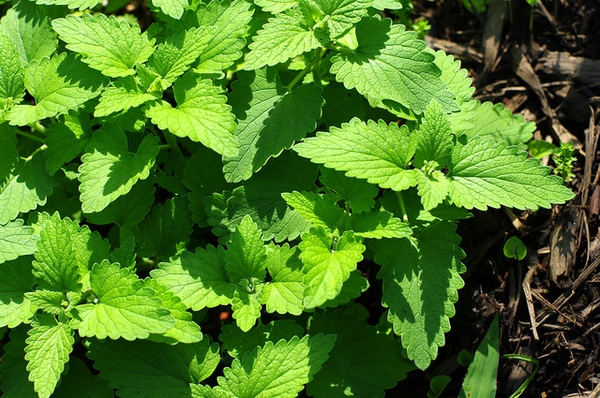
Catnip History and Uses: Nepeta cataria
Catnip is more than a name on a cat toy. Nepeta cataria is an aromatic mint-family perennial with softly textured foliage and small flowers. It can have a place in a herb or pollinator garden, where its growth, fragrance, and visiting insects are as interesting as its famous appeal to cats.
-
Cassia History and Uses: Cinnamomum cassia
Cassia supplies the bold, warm flavor many people recognize as cinnamon. It is a bark spice sold in sticks, pieces, or ground form, and the name can cover more than one commercial cinnamon type. This profile follows the guide’s Chinese cassia entry while explaining why a package label matters more than color alone.
-
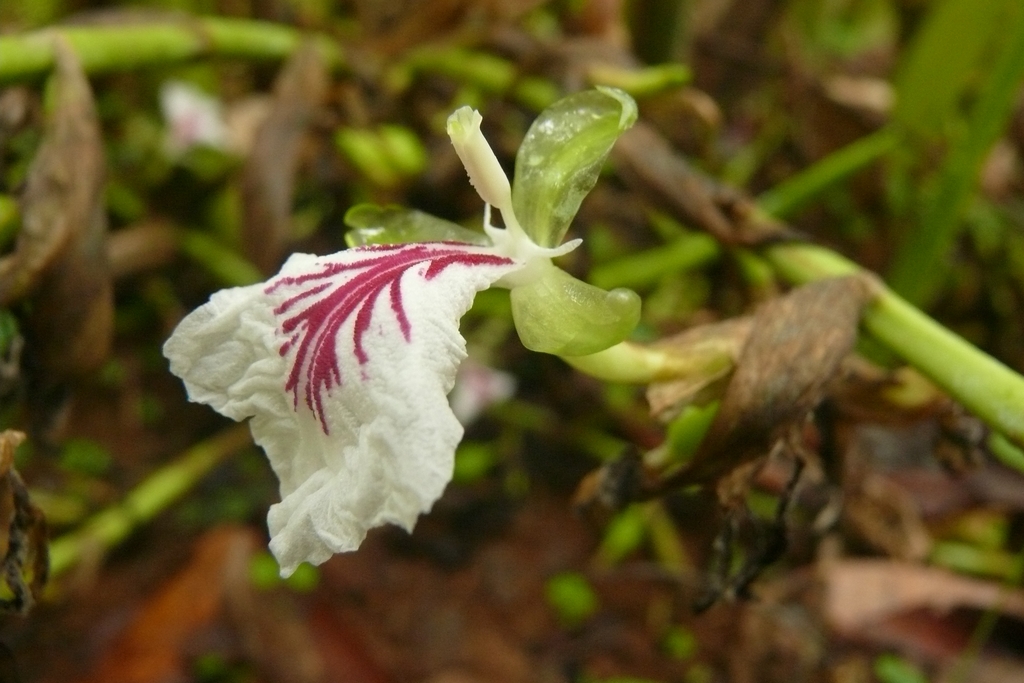
Cardamom History and Uses: Elettaria cardamomum
Green cardamom brings a fragrant mixture of sweetness, freshness, and spice to both desserts and savory food. The pods of Elettaria cardamomum hold small aromatic seeds. A little goes a long way, making cardamom particularly rewarding when you begin with simple foods that let its character remain clear.
-
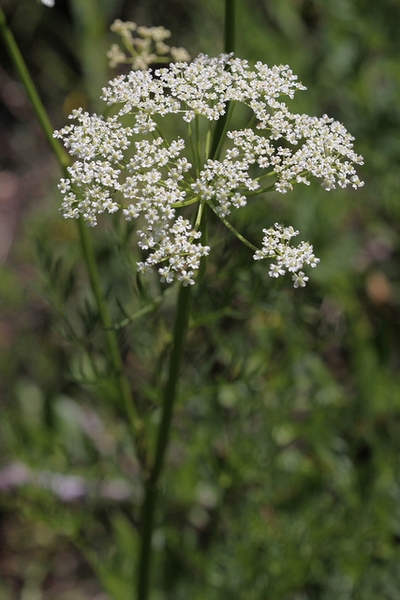
Caraway History and Uses: Carum carvi
Caraway adds a distinctive aromatic bite to a loaf of rye bread or a pan of cabbage. The curved, ridged fruits of Carum carvi are commonly called seeds. This carrot-family herb has leaves and roots as well, but the dried spice is the easiest part to explore in an everyday kitchen.
-
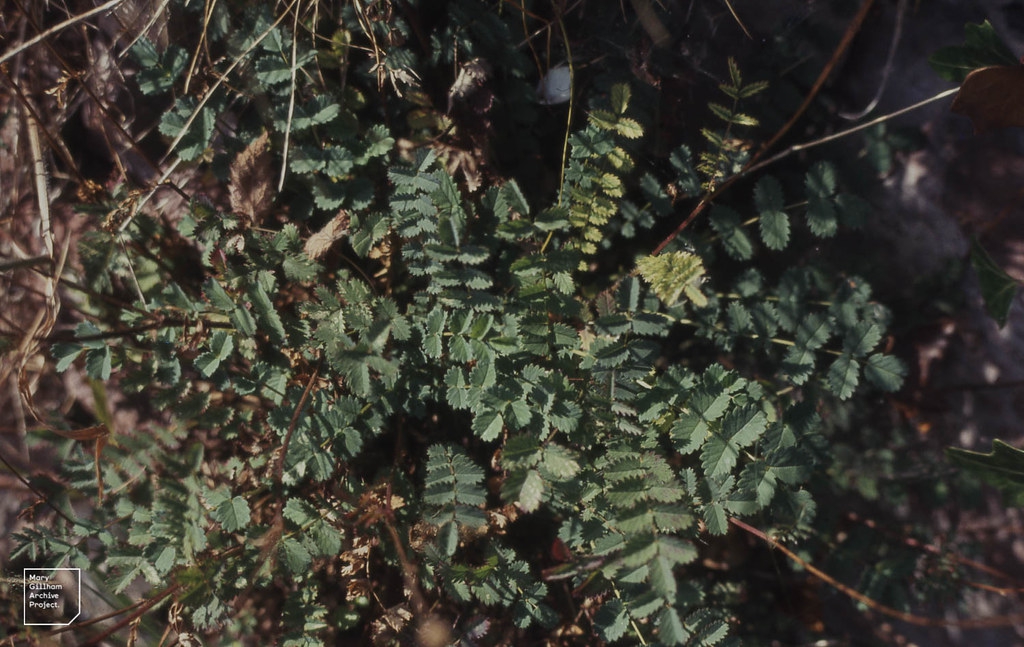
Burnet History and Uses: Sanguisorba species
Salad burnet is a small herb with a quietly refreshing flavor. In the broad Sanguisorba entry, the kitchen plant to look for is Sanguisorba minor. Its divided leaves make an attractive edging, and tender new growth can add a cucumber-like accent without taking over a salad.