
Our Educational Guides
-
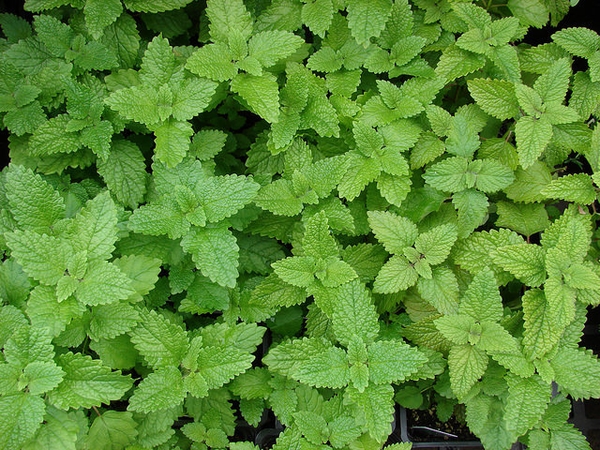
Lemon Balm History and Uses: Melissa officinalis
Lemon balm offers a lemon-like fragrance in a soft green leaf. Melissa officinalis is a vigorous mint-family perennial that can be easy to grow and easy to overlook until its leaves are brushed. It is useful for small culinary experiments and for a garden where fragrance is part of the pleasure.
-
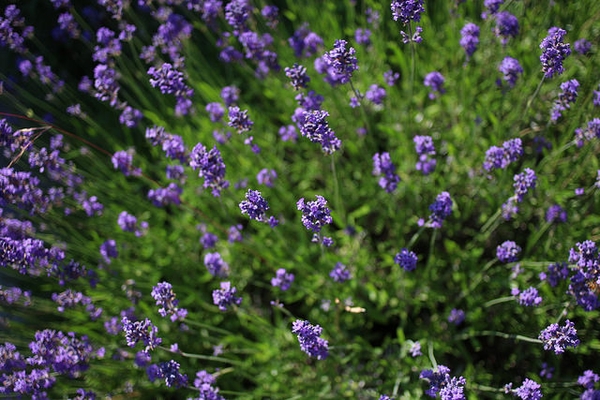
Lavender History and Uses: Lavandula species
Lavender is familiar as a fragrance, but carefully chosen culinary flowers can also give food a floral accent. The guide covers Lavandula species; this profile uses English lavender, Lavandula angustifolia, as its main reference. A tiny amount is usually enough to make the flavor noticeable.
-
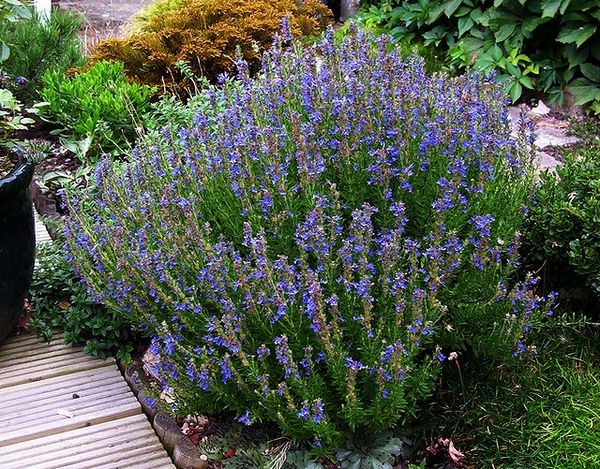
Hyssop History and Uses: Hyssopus officinalis
Hyssop, Hyssopus officinalis, is a compact aromatic plant with narrow leaves and summer flowers. A member of the mint family, it can serve as a small border plant as well as a subject for herbal history. Its name needs care: several unrelated plants are also called hyssop.
-
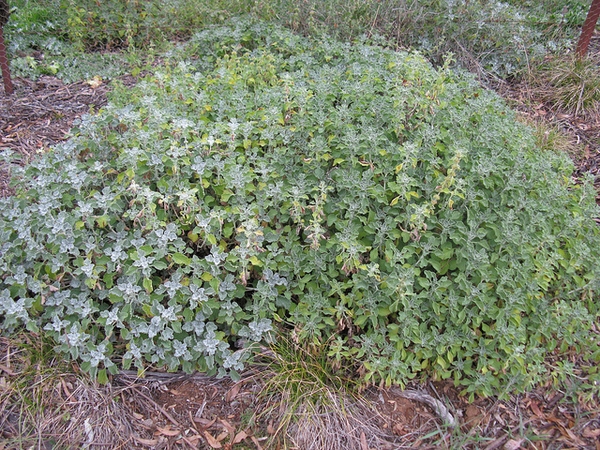
Horehound History and Uses: Marrubium vulgare
White horehound is a gray-green herb with a famously bitter reputation. Marrubium vulgare belongs to the mint family, but its character is very different from a sweet garden mint. Crinkled leaves and small whorls of flowers make it an interesting subject for a herb garden and a useful plant for studying the boundary between food…
-
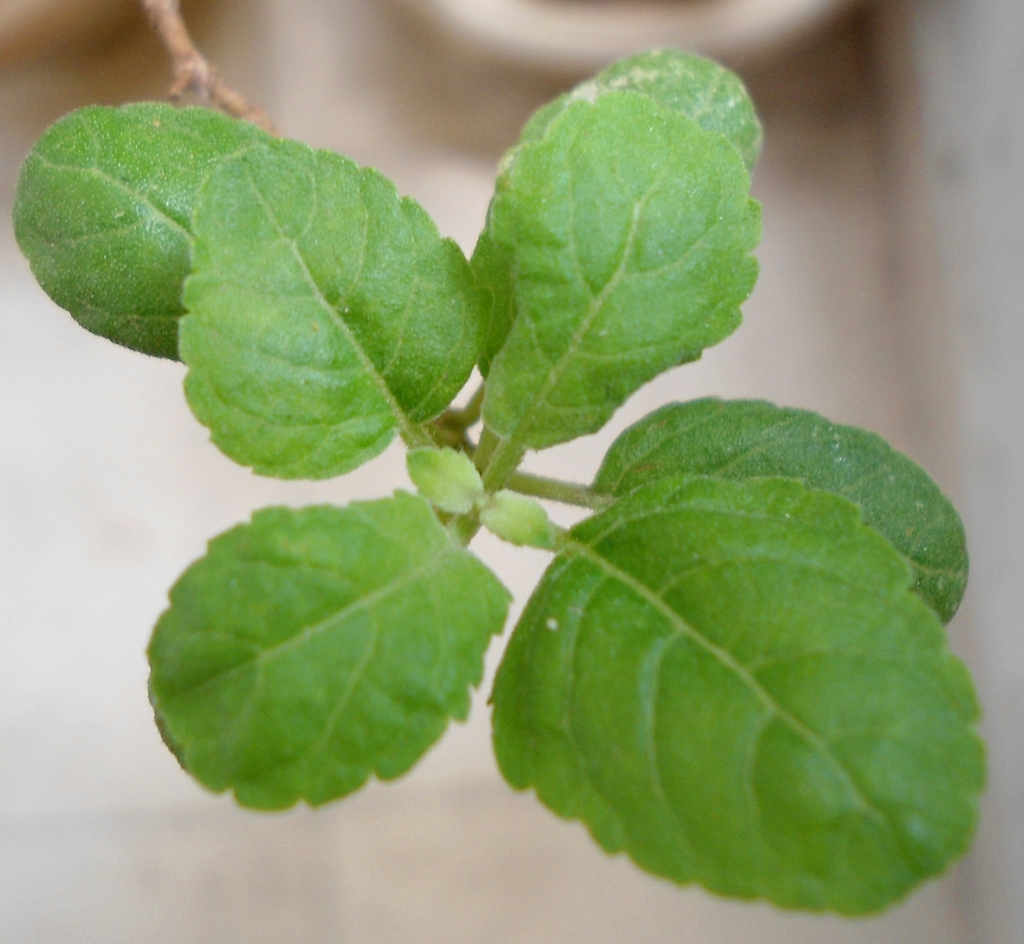
Holy Basil History and Uses: Ocimum tenuiflorum
Holy basil, often called tulsi, has a spicy fragrance that gives it an identity of its own. Ocimum tenuiflorum is a mint-family herb or small subshrub related to sweet basil. It belongs in a botanical library both as an aromatic plant and as an ingredient whose cultural and herbal associations deserve careful description.
-
Grains of Paradise History and Uses: Aframomum melegueta
Grains of paradise invite a slower approach to seasoning. The small seeds of Aframomum melegueta have a peppery character with aromatic complexity that is easiest to notice when freshly crushed. Despite their pepper-like use, they belong to the ginger family rather than the black-pepper family.
-
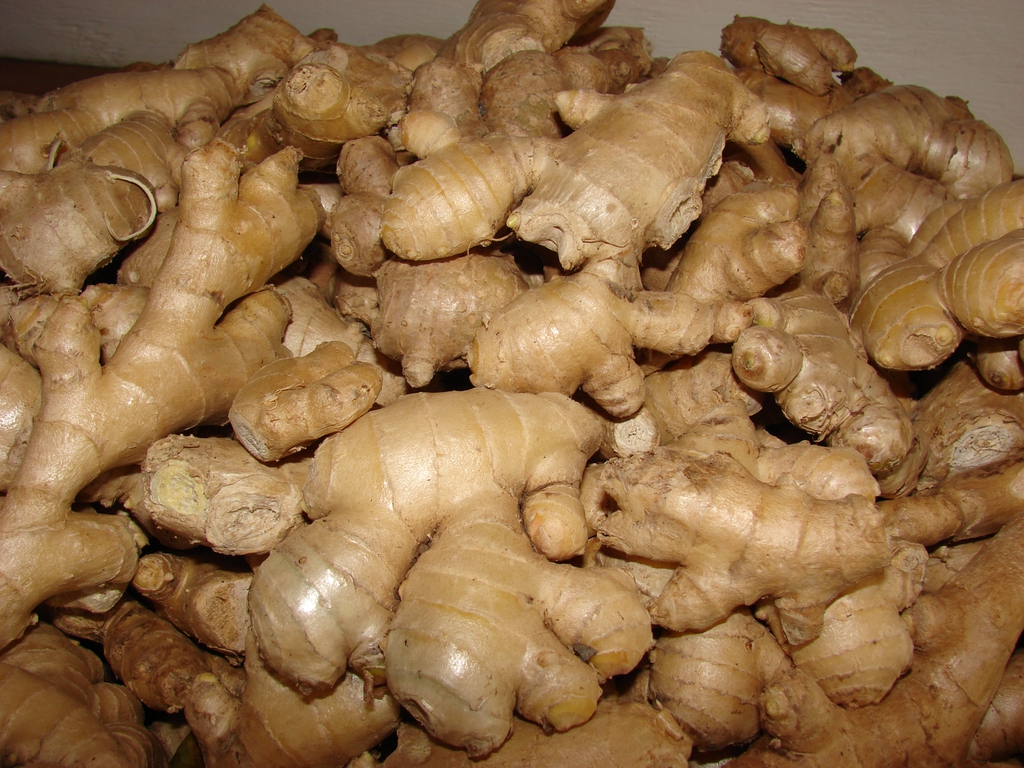
Ginger History and Uses: Zingiber officinale
Fresh ginger offers both a lively aroma and a warming bite. The edible part of Zingiber officinale is a rhizome, an underground stem often casually called a root. Fresh, dried, ground, candied, and pickled ginger are all useful, but they contribute different textures and levels of sweetness to a recipe.
-
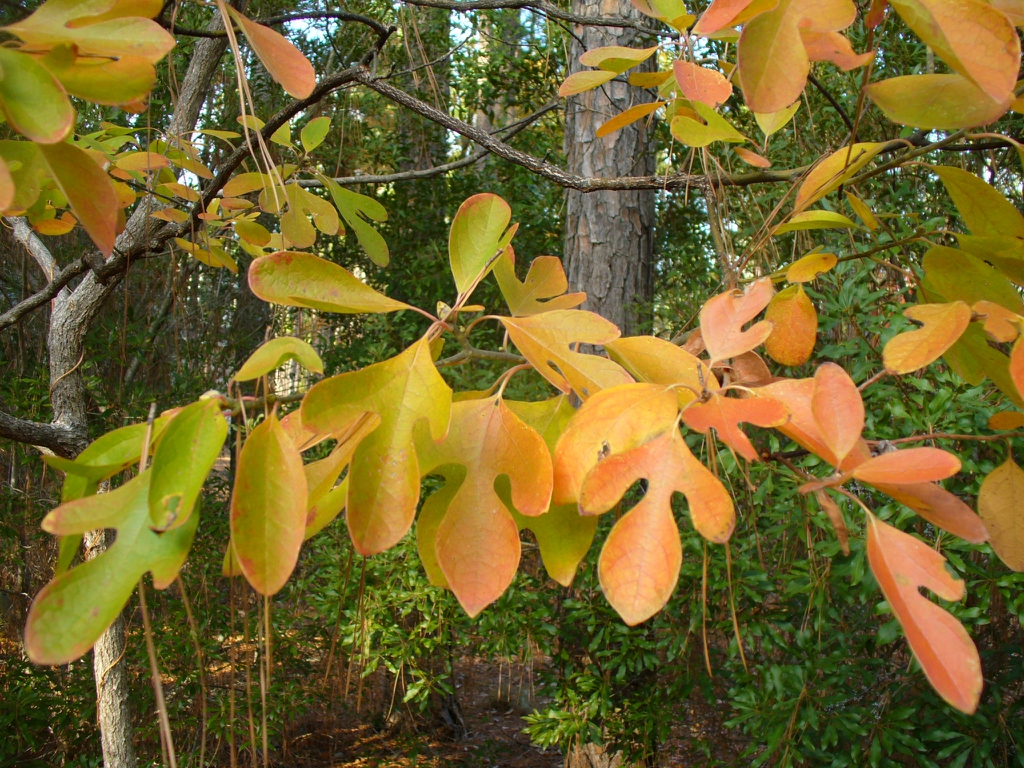
Filé History and Uses: Sassafras albidum
Filé is a powdered leaf ingredient made from Sassafras albidum. It is best known in the kitchen for adding aroma and body to gumbo-style dishes. That leafy origin matters: filé powder is a different preparation from sassafras root bark or a concentrated sassafras oil.
-
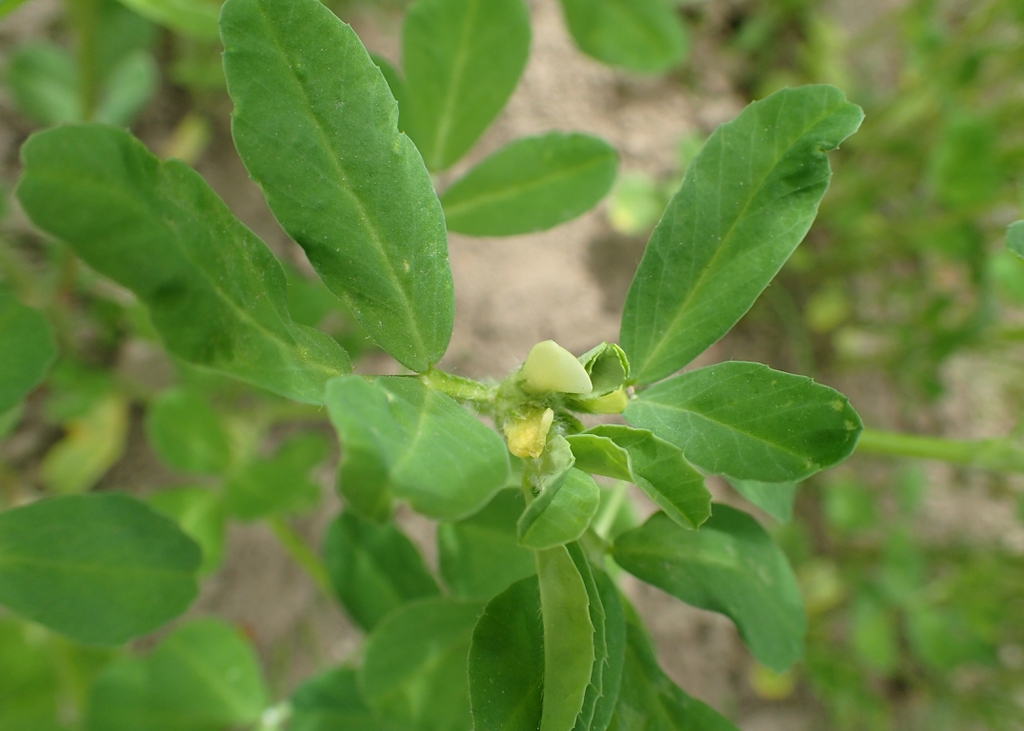
Fenugreek History and Uses: Trigonella foenum-graecum
Fenugreek gives the kitchen both aromatic seeds and edible leaves. Trigonella foenum-graecum is an annual legume whose distinctive character can seem maple-like, savory, and bitter at once. It is especially rewarding in small amounts, where it can add depth without making a dish taste harsh.
-
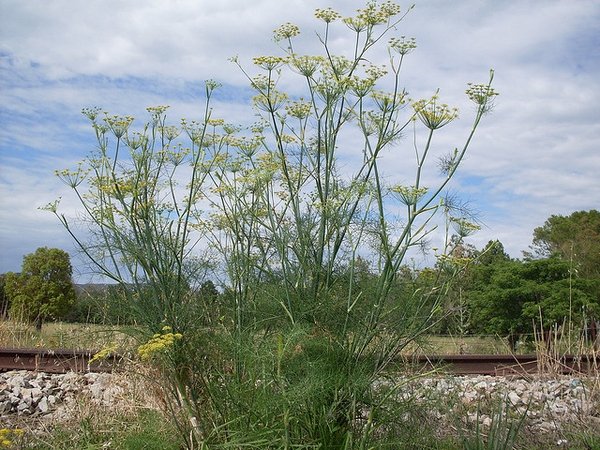
Fennel History and Uses: Foeniculum vulgare
Fennel can mean a leafy herb, a seed spice, or a swollen vegetable base. Foeniculum vulgare brings an anise-like aroma to all three, but each form has its own texture and kitchen role. Knowing which one a recipe expects is the first step toward enjoying this versatile plant.